StreetDance.com / Dance Styles / Breaking

브레이킹 백과사전

브레이킹 백과사전

브레이킹, 브레이크댄스, 비보이와 비걸 문화, 무브, 배틀, 사이퍼, 음악, 제스처, 역사와 초보자 학습에 관한 200개 이상의 한국어 Q&A를 검색하세요.

211 질문17 카테고리
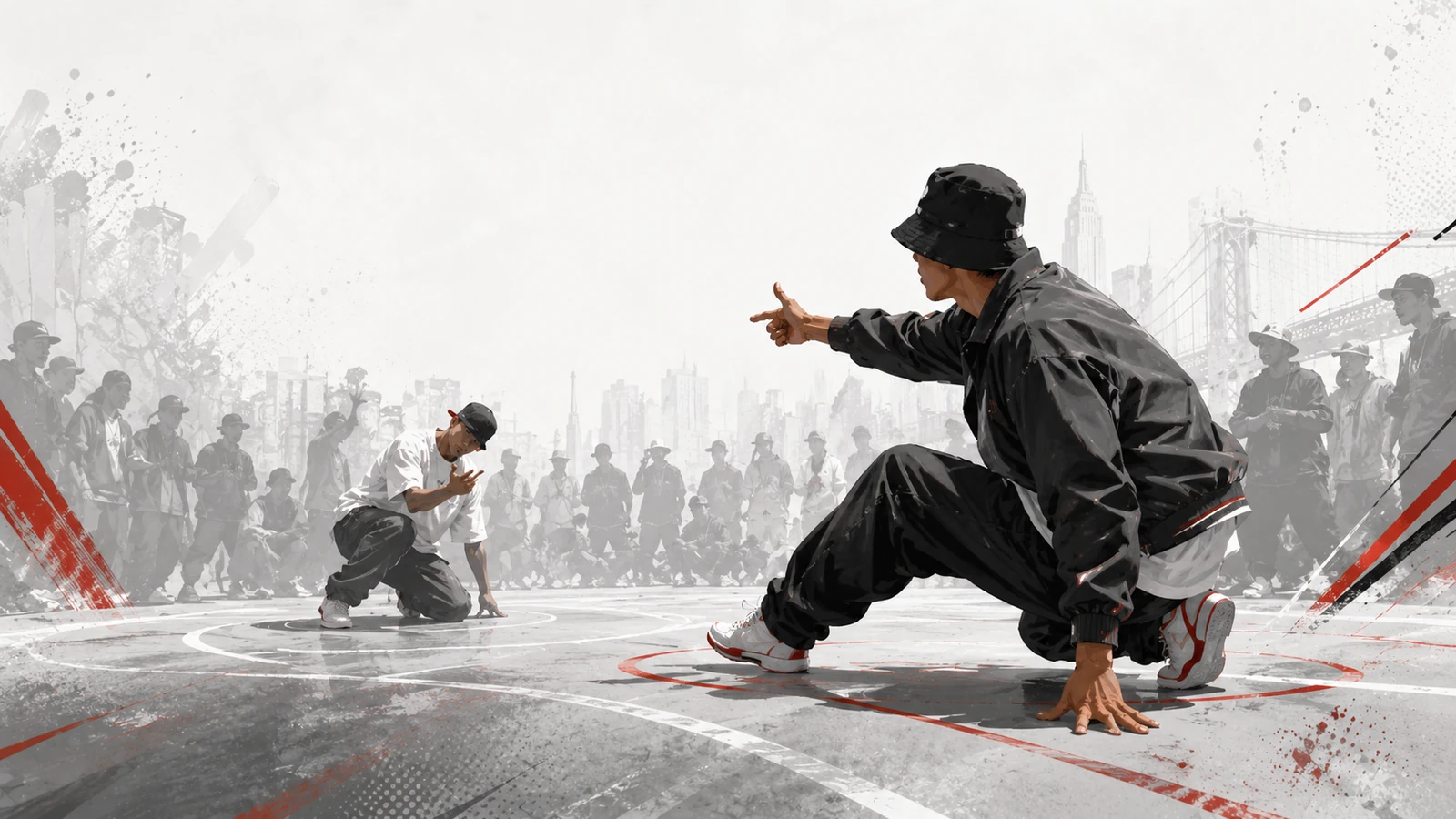
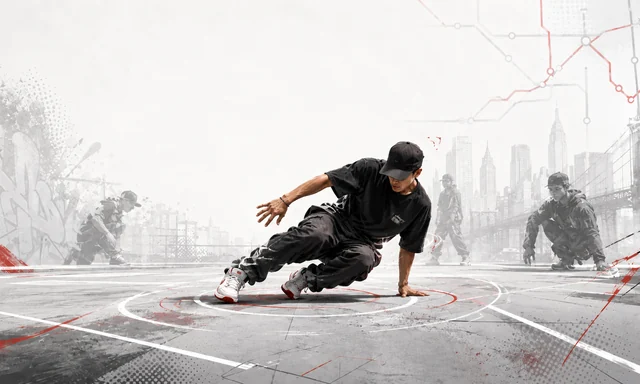
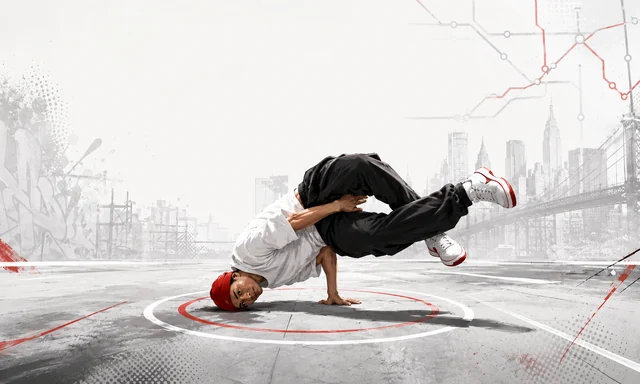
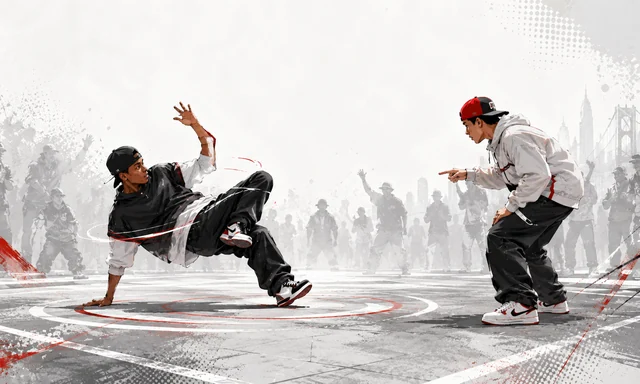
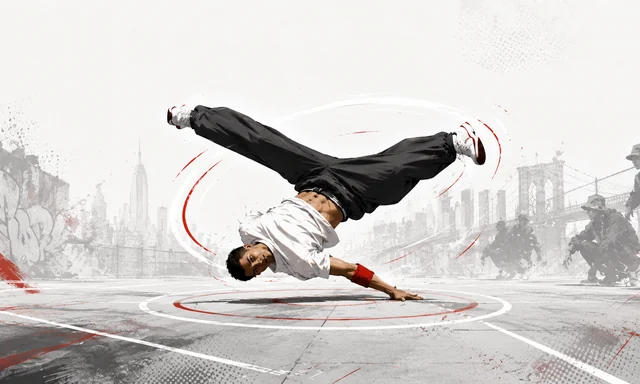
Breaker doing a headspin in a New York inspired sports layout

브레이킹 지식 백과사전

브레이킹 용어와 답변을 빠르게 찾기

Type a term like headspin, 6-step, cypher, burn, b-boy or kids.

주제별 보기

브레이킹 지식 카테고리

각 카테고리는 StreetDance.com Breaking hub의 관련 가이드와 연결되어, 이 페이지가 단순한 FAQ가 아니라 브레이킹 지식 허브로 작동하게 합니다.

Original breaking breaking basics for StreetDance.com
여기서 시작

브레이킹 기본

Core answers about breaking, breakdance, b-boys, b-girls, breakbeats and hip-hop culture.

20 questions
Original breaking foundation for StreetDance.com
문화 먼저

파운데이션

Rhythm, balance, body control, movement vocabulary and the building blocks behind the dance.

16 questions
Original breaking toprock for StreetDance.com
스탠딩 스타일

탑락

Upright movement, rhythm, posture, musicality and how breakers enter a round.

9 questions
Original breaking go-downs & entries for StreetDance.com
플로어로 들어가기

Go-downs & Entries

Drops, entries, sweeps and transitions from standing to floorwork.

9 questions
Original breaking footwork for StreetDance.com
플로어 파운데이션

풋워크

6-step, 2-step, CCs, Zulu Spin, kick-outs, threads, hooks and floor control.

15 questions
Original breaking freezes for StreetDance.com
컨트롤과 임팩트

프리즈

Baby freeze, chair freeze, airchair, headstand, handstand and freeze combinations.

11 questions
Original breaking power moves for StreetDance.com
Momentum

파워무브

Windmills, backspins, headspins, flares, halos, 1990s, 2000s, crickets and jackhammers.

15 questions
Original breaking style & originality for StreetDance.com
개인 스타일

스타일과 독창성

How breakers build individuality, creativity, character and a signature movement identity.

12 questions
Original breaking musicality for StreetDance.com
Beat connection

뮤지컬리티

Timing, accents, beat kills, pauses, rhythm changes and moving with the music.

10 questions
Original breaking battles for StreetDance.com
Competition

배틀

Rounds, sets, crew battles, judging, strategy, crowd response and Seven to Smoke.

17 questions
Original breaking gestures for StreetDance.com
배틀 언어

제스처

Call-outs, burns, mocking, repeat gestures, pointing and non-verbal battle communication.

17 questions
Original breaking cyphers for StreetDance.com
Circle energy

사이퍼

Cypher awareness, floor control, etiquette and how dancers enter and leave the circle.

10 questions
Original breaking crews & community for StreetDance.com
Lineage

크루와 커뮤니티

Crews, mentorship, oral history, respect, representation and each one teach one.

14 questions
Original breaking events for StreetDance.com
Jams & comps

Events

Jams, sessions, workshops, showcases, qualifiers, prelims, finals and battle brackets.

9 questions
Original breaking learning breaking for StreetDance.com
Beginner path

브레이킹 배우기

Practice tips, shoes, safety, injury prevention, beginner mistakes and learning at home.

10 questions
Original breaking kids & parents for StreetDance.com
Safe learning

어린이와 부모

Child-friendly breaking, parent support, safe progression, rhythm games and confidence.

6 questions
Original breaking culture & future for StreetDance.com
Archive

문화와 미래

Preservation, documentation, cultural protection, life skills and the future of breaking.

11 questions

여기서 시작

브레이킹 기본

Core answers about breaking, breakdance, b-boys, b-girls, breakbeats and hip-hop culture.

Related guide: Breaking Hub →

브레이킹은 힙합 문화 안에서 발전한 춤이자 문화적 예술 형식입니다. 리듬, musicality, toprock, go-downs, footwork, freezes, power moves, transitions, style 그리고 자기표현을 함께 사용하는 춤입니다.

브레이킹은 cypher, battles, jams, sessions, showcases 안에서 이루어집니다. 이 춤은 breakbeats, 독창성, foundation, timing, control, 창의성 그리고 respect를 중심으로 발전해 왔습니다.

브레이크댄스는 많은 사람들이 브레이킹을 부를 때 사용하는 대중적인 이름입니다. 이 용어는 특히 1970년대 후반과 1980년대에 미디어, 텔레비전, 영화, 이벤트 홍보를 통해 널리 알려졌습니다.

문화 안에서는 많은 댄서들이 “breaking”이라는 표현을 더 선호합니다. 이 단어가 원래 scene language, 음악, 그리고 b-boy와 b-girl들이 스스로 이 춤을 설명해 온 방식과 더 깊게 연결되어 있기 때문입니다. 하지만 “breakdance”라는 단어도 여전히 일반 대중, 프로모터, 미디어, 그리고 scene 밖의 사람들이 많이 사용합니다.

브레이킹과 브레이크댄스는 보통 같은 춤을 가리키지만, 두 단어는 문화적으로 다른 느낌을 가질 수 있습니다. “Breaking”은 문화 안에서 더 많이 사용되는 표현입니다. “Breakdance”는 미디어와 대중 사용을 통해 널리 알려진 mainstream term입니다.

일부 scene context에서는 “breakdancer”라는 표현이 주로 tricks나 power moves에 집중하는 사람을 가리킬 때 비공식적으로 쓰이기도 합니다. 반면 b-boy, b-girl 또는 breaker는 음악, foundation, 문화, battle tradition과 더 넓게 연결된 사람을 의미하는 경우가 많습니다.

많은 댄서들은 “breaking”이라는 단어를 사용합니다. 이 표현이 scene 안에서 쓰이는 문화적으로 더 정확한 용어이기 때문입니다. 이 말은 춤의 roots, 음악, DJs, cypher, 그리고 b-boys, b-girls, breakers의 언어를 존중합니다.

“Breakdancing”은 대중에게 널리 알려진 표현이며, 특히 이 춤이 처음 크게 알려지던 시기에 mainstream media에서 많이 사용되었습니다. “B-boying” 역시 문화 안에서 사용되는 또 다른 표현이며, 원래 hip-hop context를 강조하고 싶은 댄서들이 자주 사용합니다.

Breaker는 브레이킹을 하는 사람을 뜻합니다. 이 단어는 gender-neutral term이며, b-boys, b-girls 그리고 cyphers, battles, jams, performances, workshops, practice sessions에 참여하는 댄서들을 모두 포함할 수 있습니다.

B-boy는 브레이킹 문화를 대표하는 남성 breaker입니다. 그는 cypher나 battle 안에서 리듬, foundation, style, character, musicality 그리고 presence를 보여줍니다.

B-girl은 브레이킹 문화를 대표하는 여성 breaker입니다. 그녀는 cypher나 battle 안에서 리듬, foundation, style, character, musicality 그리고 presence를 보여줍니다.

Breakbeat는 레코드 안에서 드럼, 퍼커션 또는 groove가 더 두드러지는 리듬 구간입니다. 브레이킹은 댄서들이 음악 속의 break에 반응하면서 발전했습니다.

Breaking이라는 이름은 레코드의 break section에 맞춰 춤을 추던 것과 연결되어 있습니다. DJs는 이 리듬 구간을 길게 이어서 댄서들이 더 오래 바닥으로 들어가 자신을 표현할 수 있게 했습니다.

Breaking과 연결된 또 다른 단어는 b-boying이며, 문화 안의 많은 사람들이 사용하는 표현입니다.

네. 브레이킹은 힙합 문화 안에서 가장 잘 알려진 춤 형식 중 하나입니다. 브레이킹은 DJing, MCing, graffiti와 함께 힙합의 핵심 요소 중 하나로 자주 설명됩니다.

브레이킹은 세 가지 모두가 될 수 있습니다. 하지만 문화 안에서는 먼저 춤이자 문화적 예술 형식입니다. Battles와 competitions는 스포츠적인 요소를 더하고, style, character, 자기표현은 브레이킹을 예술로 만듭니다.

브레이킹의 주요 요소는 toprock, go-downs 또는 entries, footwork, freezes, power moves, transitions, musicality, style, 독창성 그리고 battle awareness입니다.

브레이킹은 춤, 음악, 창의성, 경쟁 그리고 자기표현을 함께 결합하기 때문에 특별합니다. 브레이킹은 streetdance, martial arts, gymnastics, acrobatics, social dance의 영향을 받은 움직임을 포함하지만, 자신만의 문화, vocabulary, 리듬 그리고 가치를 가지고 있습니다.

브레이킹은 어려운 moves만을 의미하지 않습니다. 댄서가 음악, style, foundation, 독창성 그리고 presence를 사용해 자신이 누구인지 보여주는 방식이 중요합니다.

브레이킹은 street와 community dance culture 안에서 시작되었으며, DJs, breakbeats, block parties, cyphers 그리고 젊은 세대의 창의성과 연결되어 있습니다.

브레이킹은 1970년대 New York City의 Bronx에서 hip-hop culture가 형성되던 시기에 강하게 발전했습니다. Kool Herc 같은 DJs는 레코드의 break section을 길게 이어 댄서들이 더 오래 움직이고, battle하고, 자신을 표현할 수 있게 했습니다. B-boys와 b-girls는 그 breaks에 맞춰 춤을 췄고, 이 춤은 breaking으로 알려지게 되었습니다.

브레이킹은 1970년대 hip-hop culture가 성장하던 New York City, 특히 Bronx와 가장 강하게 연결되어 있습니다.

브레이킹은 한 사람이 만든 것이 아닙니다. 수많은 댄서, DJs, crews, communities 그리고 local scenes가 오랜 시간에 걸쳐 이 문화를 함께 만들어 왔습니다.

브레이킹은 흥미롭고, 창의적이며, 경쟁적이고, 접근하기 쉬웠기 때문에 인기를 얻게 되었습니다. 댄서들은 시작하기 위해 비싼 장비가 필요하지 않았습니다. DJ, 음악, floor 그리고 community만 있어도 cyphers, battles, jams가 만들어질 수 있었습니다.

브레이킹은 crews, films, television, international events, workshops, tours 그리고 문화를 전 세계로 나눈 댄서들의 에너지를 통해 퍼져 나갔습니다.

네. 누구나 브레이킹을 시작할 수 있습니다. 단, 인내심, 안전한 training, 문화에 대한 respect, 음악에 대한 이해, 그리고 가능하다면 경험 있는 댄서의 guidance가 필요합니다.

브레이킹은 도전적인 춤일 수 있습니다. 리듬, coordination, strength, flexibility, creativity 그리고 body control이 필요하기 때문입니다. Beginners는 history, music, foundation steps 그리고 안전한 movement부터 시작해야 하며, 너무 빨리 advanced moves로 넘어가서는 안 됩니다.

Active practitioner, mentor 또는 경험 있는 dancer에게 배우는 것은 beginners가 올바르고 안전하게 성장하는 데 도움이 됩니다.

브레이킹을 배우는 데 걸리는 시간은 나이, 건강 상태, 신체적 배경, training regularity, coaching 그리고 개인 목표에 따라 달라집니다. Basic movements는 몇 달 안에 배울 수 있는 경우가 많지만, style, musicality, confidence 그리고 battle experience를 발전시키는 데는 수년의 practice가 필요합니다.

문화 먼저

파운데이션

Rhythm, balance, body control, movement vocabulary and the building blocks behind the dance.

Related guide: Beginners →

Foundation은 breaker의 성장을 받쳐주는 기본 움직임, 리듬, control, 기술 그리고 문화적 지식입니다. Advanced movement가 단순한 기술이 아니라 춤과 연결될 수 있도록 의미와 구조를 만들어 줍니다.

Foundation은 history, 문화적 가치, 리듬, balance, coordination, control, movement vocabulary 그리고 basic principles에서 자신만의 style을 발전시키는 방법을 배우게 합니다.

Foundation은 breaking의 ABC이기 때문에 중요합니다. 댄서가 춤, 음악, 문화의 기본을 이해하는 데 필요한 building blocks를 제공합니다.

Foundation이 없으면 advanced movements가 rhythm, style 그리고 breaking의 의미와 떨어져 보일 수 있습니다.

Movement vocabulary는 breaker가 breaking 안에서 아이디어를 표현하기 위해 사용할 수 있는 steps, patterns, freezes, transitions, gestures 그리고 concepts의 모음입니다.

Flow는 댄서가 movements와 transitions를 얼마나 자연스럽고 부드럽게 연결하는지를 말합니다. 좋은 flow는 한 round가 한 아이디어에서 다음 아이디어로 자연스럽고 목적 있게 이어지는 느낌을 줍니다.

Flow는 연결성, timing, transition control 그리고 levels, directions, movement categories 사이를 자연스럽게 이동하는 방법을 배우게 합니다.

리듬은 movement를 음악과 연결하는 timing, pulse 그리고 pattern입니다. Breaking에서 rhythm은 toprock, footwork, freezes, transitions 그리고 battle energy를 이끌어 줍니다.

리듬은 댄서가 음악을 듣고, timing에 맞춰 움직이며, speed를 조절하고, 음악과 몸을 연결하는 방법을 배우게 합니다.

Timing은 상황에 반응하고, 음악의 accent, move, freeze, gesture 또는 transition이 자연스럽게 보일 수 있는 정확한 순간을 잡는 능력입니다.

Timing은 patience, listening, musical awareness 그리고 움직이거나 멈추는 순간을 통해 impact를 만드는 방법을 배우게 합니다.

Coordination은 몸의 여러 부분을 동시에, 그리고 control 있게 사용하는 능력입니다.

Coordination은 body awareness, balance, movement control 그리고 steps, transitions, freezes를 함께 연결하는 능력을 배우게 합니다.

Balance는 움직임, level changes 또는 shape을 유지하는 동안 body weight와 body position을 control하는 능력입니다.

Balance는 stability, confidence, control 그리고 freezes, footwork, transitions에서 안전하고 안정적으로 움직이는 방법을 배우게 합니다.

Body control은 movement, weight, direction, speed 그리고 stopping points를 의식적으로 조절하는 능력입니다.

Body control은 precision, clean execution 그리고 어려운 movements를 의도 있고 명확하게 보이게 만드는 능력을 배우게 합니다.

스탠딩 스타일

탑락

Upright movement, rhythm, posture, musicality and how breakers enter a round.

Related guide: Moves →

Toprock은 breaking의 standing section입니다. 서 있는 상태에서 수행되며 rhythm, posture, style, confidence 그리고 음악과의 connection을 보여줍니다.

Toprock은 rhythm, timing, posture, musicality, confidence, direction changes 그리고 floor로 내려가기 전에 춤을 어떻게 시작하는지 배우게 합니다.

Toprock은 댄서의 style, musicality 그리고 presence를 처음 보여주기 때문에 중요합니다. Toprock은 dancer가 footwork, freezes 또는 power moves로 넘어가기 전에 round의 분위기와 방향을 정해 줍니다.

자주 쓰이는 toprock steps에는 Indian step, cross step, salsa step, kick step 그리고 style을 표현하기 위해 사용되는 다양한 standing rhythmic movements가 있습니다.

Rocking은 rhythm, style, gestures, musical interpretation과 연결된 오래된 dance form이자 battle expression입니다. 브레이킹의 일부 standing language와 attitude에 영향을 주었습니다.

Uprock은 steps, gestures, battle communication을 사용하는 competitive dance style입니다. Breaking과 관련이 있지만 자신만의 vocabulary, history, cultural identity를 가지고 있습니다.

Toprock은 breaking 안의 standing section입니다. Uprock은 별도의 dance와 battle form이며, 서로 energy와 gesture를 공유할 수 있지만 history와 vocabulary가 다릅니다.

Toprock은 posture, rhythm, attitude, direction, arm movement, foot placement, musical accents 그리고 personal character를 통해 style을 보여줍니다.

Toprock은 서 있는 상태에서 drums, accents, pauses, melodies 그리고 음악의 변화를 듣고 반응하면서 musicality를 보여줍니다.

플로어로 들어가기

Go-downs & Entries

Drops, entries, sweeps and transitions from standing to floorwork.

Related guide: Moves →

Go-down은 standing movement에서 floor로 내려가는 transition입니다. Toprock을 footwork, freezes 또는 power moves와 연결합니다.

Go-down은 transition control, balance, timing, body placement 그리고 standing에서 floor로 자연스럽게 이동하는 방법을 배우게 합니다.

Entry는 breaker가 dance floor에 들어가거나 round를 시작하는 방식입니다. Simple, stylish, explosive, musical 또는 strategic하게 만들 수 있습니다.

Entry는 timing, confidence, level change, flow 그리고 round를 의도 있게 시작하는 방법을 배우게 합니다.

Entries는 standing movement와 floor movement를 연결하기 때문에 중요합니다. Clean entry는 round 전체가 complete하고 controlled하게 보이게 합니다.

Drop은 dancer가 standing에서 floor로 빠르게 내려가는 movement입니다. Control, timing, style에 따라 simple하거나 dramatic하게 보일 수 있습니다.

Knee drop은 한쪽 무릎 또는 양쪽 무릎 쪽으로 내려가며 impact와 rhythm을 control하는 entry입니다.

Sweep entry는 다리를 sweeping motion으로 사용해 standing 또는 crouching position에서 floorwork로 연결하는 entry입니다.

Spin entry는 rotation을 사용해 floor로 들어가는 방식이며, footwork, backspin 또는 다른 rotating movements와 연결될 수 있습니다.

플로어 파운데이션

풋워크

6-step, 2-step, CCs, Zulu Spin, kick-outs, threads, hooks and floor control.

Related guide: Moves →

Footwork는 breaking의 핵심 foundation 중 하나입니다. Hands와 feet를 사용해 floor 위에서 움직이며 rhythm, balance, control, direction 그리고 style을 유지합니다.

Footwork는 coordination, timing, agility, balance, floor awareness, patterns 그리고 movement control을 배우게 합니다. 더 complex한 movement를 위한 foundation을 만듭니다.

Footwork는 breaking의 대표적인 foundation이기 때문에 중요합니다. 댄서의 rhythm, control, flow, originality 그리고 floor connection을 보여줍니다.

6-step은 breaker가 hands와 feet를 사용해 원형으로 움직이는 foundational footwork pattern입니다. 많은 beginners가 floorwork 구조를 이해하기 위해 배우는 기본 step입니다.

2-step은 두 개의 주요 step으로 구성된 basic footwork pattern입니다. 방향 전환, speed change, simple transition을 연습하는 데 도움이 됩니다.

3-step은 세 개의 주요 step으로 구성된 footwork pattern입니다. Rhythm, direction, body placement를 연습하는 데 자주 사용됩니다.

CC는 leg kick과 hip movement를 사용하는 foundational footwork move입니다. Rhythm, shape, style 그리고 floor control을 보여주는 데 좋습니다.

Zulu Spin은 floor에서 rotation과 footwork를 연결하는 movement입니다. Breaking foundation 안에서 direction, spin control, flow를 배우는 데 도움이 됩니다.

Coffee grinder는 한쪽 다리를 원형으로 sweep하면서 몸을 넘기거나 피하는 floor move입니다. Rhythm과 leg control을 연습하는 basic movement입니다.

Kick-out은 다리를 밖으로 차거나 뻗는 footwork movement입니다. Shape, accent, speed change 그리고 transition에 사용할 수 있습니다.

Thread는 몸의 일부가 팔이나 다리 사이를 통과하는 것처럼 보이게 만드는 movement concept입니다. Footwork와 freezes 안에서 original shapes를 만들 수 있습니다.

Hook은 다리나 발을 걸거나 감아 movement, transition 또는 shape을 만드는 footwork idea입니다. Control과 direction change에 사용됩니다.

Floorwork는 dancer가 floor 위에서 hands, feet, hips, knees, shoulders 등 여러 body parts를 사용해 움직이는 모든 movement를 말합니다.

Advanced footwork는 basic footwork를 바탕으로 하지만 own originality, input, rhythm, direction changes, speed changes, threads, levels 그리고 complex transitions를 더합니다.

중요한 것은 단순히 더 어려운 steps가 아니라, breaker가 foundation을 사용해 자신만의 style과 movement language를 발전시키는 방식입니다.

Original footwork는 rhythm, direction, timing, shape, transition, level change 그리고 personal character가 함께 보일 때 만들어집니다. 단순히 step을 외우는 것보다 자기 방식으로 연결하는 것이 중요합니다.

컨트롤과 임팩트

프리즈

Baby freeze, chair freeze, airchair, headstand, handstand and freeze combinations.

Related guide: Moves →

Freeze는 dancer가 특정 shape이나 position에서 movement를 멈추는 순간입니다. Music accent, control, strength 그리고 impact를 보여줄 수 있습니다.

Freeze는 balance, strength, timing, body control, confidence 그리고 음악의 순간을 정확하게 잡는 능력을 배우게 합니다.

Freezes는 round에 punctuation과 impact를 줍니다. Movement를 멈추는 순간이 음악, battle response, style과 연결되면 강한 인상을 남깁니다.

Baby freeze는 beginner들이 자주 배우는 foundational freeze입니다. Hands, elbows, head 또는 shoulder support를 사용해 body shape을 안정적으로 hold합니다.

Chair freeze는 몸을 chair처럼 기울인 shape으로 멈추는 freeze입니다. Shoulder, arm, core control이 중요합니다.

Airchair는 한쪽 arm support와 body balance를 사용하는 advanced freeze입니다. Strength, flexibility, control이 필요합니다.

Headstand freeze는 head와 hands 또는 body alignment를 사용해 upside-down position을 hold하는 freeze입니다. 안전한 technique과 neck awareness가 중요합니다.

Handstand freeze는 hands 위에서 body를 hold하는 freeze입니다. Balance, shoulder strength, body line 그리고 control을 보여줍니다.

Hollowback freeze는 back arch와 shoulder flexibility가 강조되는 advanced freeze입니다. 안전한 training과 충분한 control이 필요합니다.

Signature freeze는 특정 breaker가 자신의 style, shape 또는 timing으로 유명해진 freeze입니다. 개성과 identity를 보여줄 수 있습니다.

Freeze combination은 여러 freezes를 연속으로 연결하는 방식입니다. Strength뿐 아니라 transition, timing, musicality, clean control이 중요합니다.

Momentum

파워무브

Windmills, backspins, headspins, flares, halos, 1990s, 2000s, crickets and jackhammers.

Related guide: Moves →

Power move는 spin, rotation, momentum, strength, speed, flexibility를 사용하는 dynamic movement category입니다. Windmills, flares, headspins 같은 moves가 여기에 포함됩니다.

Power move는 momentum, timing, strength, endurance, discipline 그리고 control을 배우게 합니다.

Power moves는 breaking의 일부이며 strength, body control, discipline, dynamic energy를 보여줍니다. 특히 music, foundation, clean transitions와 연결될 때 round에 difficulty와 excitement를 더합니다.

Windmill은 shoulders, back, hips를 이용해 다리를 넓게 돌리며 계속 rotation하는 대표적인 power move입니다. Momentum, timing, body shape이 중요합니다.

Backspin은 dancer가 등에 누운 상태에서 회전하는 foundational spin입니다.

Flare는 다리를 넓게 벌린 상태에서 hands로 body를 support하며 원형으로 돌리는 power move입니다. Gymnastics의 pommel horse movement와도 연결됩니다.

Swipe는 hands와 feet를 사용해 body를 회전시키는 dynamic power movement입니다. Timing, shoulder strength, hip lift가 중요합니다.

Halo는 head, shoulders, upper back 주변으로 body가 circular rotation을 만드는 advanced power move입니다. Control과 안전한 technique이 필요합니다.

Airtrack 또는 airflare는 hands를 번갈아 사용하며 body를 공중에서 회전시키는 advanced power move입니다. 큰 strength, timing, confidence가 필요합니다.

1990은 한 손 handstand position에서 body가 회전하는 power move입니다. Balance, shoulder strength, spin control이 중요합니다.

2000은 양손 또는 handstand position을 기반으로 body가 vertical하게 spin하는 power move입니다. Strong core, balance, wrist control이 필요합니다.

Jackhammer는 한 손이나 arm support로 body를 bounce 또는 rotate하는 advanced power move입니다. Strength, rhythm, precise weight shift가 중요합니다.

Turtle은 elbows와 hands를 support로 사용해 body weight를 control하는 movement 또는 freeze base입니다. Handglide와 jackhammer 같은 moves의 foundation이 될 수 있습니다.

Clean power moves는 control, strong shape, smooth rotation, safe landing, musical timing 그리고 다른 movement와의 자연스러운 transition으로 만들어집니다.

개인 스타일

스타일과 독창성

How breakers build individuality, creativity, character and a signature movement identity.

Related guide: B-Boy & B-Girl →

Style은 breaker가 움직임을 자기 방식으로 표현하는 방법입니다. 같은 step이라도 posture, rhythm, attitude, details에 따라 완전히 다르게 보일 수 있습니다.

Style은 individuality, choice, confidence, musical interpretation 그리고 foundation을 자기만의 language로 바꾸는 방법을 배우게 합니다.

Style은 breaker를 다른 사람과 구별해 줍니다. Breaking에서는 단순히 무엇을 하는지보다 어떻게 표현하는지가 중요합니다.

Originality는 다른 사람을 그대로 copy하지 않고 자신의 idea, rhythm, transition, character, shape을 발전시키는 능력입니다.

Originality는 creativity, problem solving, self-trust 그리고 foundation을 바탕으로 새로운 표현을 만드는 방법을 배우게 합니다.

Creativity는 movement, music, space, battle response를 새로운 방식으로 연결하는 능력입니다. Breaking에서 creativity는 style과 originality의 중요한 부분입니다.

Creativity는 exploration, risk-taking, adaptability 그리고 자기만의 movement idea를 만드는 능력을 배우게 합니다.

Individuality는 breaker가 자신만의 style, choices, rhythm, ideas 그리고 identity를 가지고 춤추는 것을 말합니다.

Self-expression은 dancer가 movement를 통해 자신의 energy, story, emotion, attitude 그리고 identity를 보여주는 것입니다.

Signature style은 특정 dancer를 알아볼 수 있게 만드는 전체적인 movement identity입니다. Rhythm, shape, transitions, attitude, musical choices가 함께 만듭니다.

Beat connection

뮤지컬리티

Timing, accents, beat kills, pauses, rhythm changes and moving with the music.

Related guide: Music →

Musicality는 dancer가 음악을 듣고 움직임으로 해석하는 능력입니다. Drums, breaks, accents, pauses, melody, energy change에 반응하는 것을 포함합니다.

Musicality는 listening, timing, patience, rhythm control 그리고 movement를 music과 연결하는 방법을 배우게 합니다.

Musicality가 있으면 movement가 단순한 sequence가 아니라 음악과 대화하는 춤처럼 보입니다. Breaking에서는 beat와 groove를 이해하는 것이 중요합니다.

Hit the beat는 음악의 특정 beat, drum, accent 또는 break에 맞춰 movement, freeze, gesture를 정확한 순간에 배치하는 것을 뜻합니다.

Marker는 dancer가 음악, space 또는 opponent에게 특정 순간을 표시하는 movement나 gesture입니다. Accent, pause, point, freeze가 marker처럼 사용될 수 있습니다.

Beat kill은 dancer가 강한 musical accent를 정확하게 잡아 큰 impact를 만드는 순간입니다. Freeze, drop, spin, gesture로 표현될 수 있습니다.

Pause는 movement 사이에 의도적으로 멈추는 순간입니다. Timing과 control이 좋을 때 pause는 음악성과 tension을 만듭니다.

Accent는 음악 안에서 더 강하게 들리는 beat, sound 또는 change입니다. Breaker는 movement, freeze, gesture로 accent를 표현할 수 있습니다.

Rhythm change는 dancer가 speed, timing, pattern 또는 energy를 바꾸는 것입니다. 음악 변화에 반응하거나 round에 surprise를 줄 수 있습니다.

댄서들은 beat를 듣고, accents를 잡고, pauses를 사용하고, speed를 바꾸고, freezes와 gestures를 음악의 순간에 맞추며 musicality를 보여줍니다.

Competition

배틀

Rounds, sets, crew battles, judging, strategy, crowd response and Seven to Smoke.

Related guide: Battles →

Battle은 solo dancers 또는 crews가 rounds를 번갈아 추며 서로 경쟁하는 exchange입니다.

Battle은 confidence, strategy, focus, pressure control, improvisation, respect 그리고 opponent를 읽는 능력을 배우게 합니다.

Breakers는 skill, style, originality, musicality, courage를 시험하고 서로에게 도전하며 culture 안에서 respect를 얻기 위해 battle합니다.

Battles는 보통 musicality, foundation, originality, execution, difficulty, style, battle response, overall performance 등을 기준으로 judging됩니다. 이벤트마다 기준은 다를 수 있습니다.

Round는 battle이나 cypher에서 dancer가 floor에 들어가 자신의 set을 보여주는 한 번의 turn입니다.

Set은 dancer가 round 안에서 준비하거나 즉흥적으로 구성한 movements, transitions, freezes, power moves의 sequence입니다.

Battle strategy는 dancer가 rounds를 계획하고, opponent를 읽고, energy를 분배하며, 적절한 순간에 자신의 strengths를 보여주는 방식입니다.

Crowd response는 audience가 movement, musical moment, battle response 또는 dramatic action에 반응하는 energy입니다. Cheers, noise, gestures로 나타납니다.

Winning round는 strong foundation, clean execution, musicality, originality, battle response, confidence 그리고 clear ending이 함께 보일 때 만들어집니다.

Crew battle은 두 개 이상의 crews가 서로 rounds를 주고받으며 경쟁하는 battle format입니다. Team strategy, order, energy, chemistry가 중요합니다.

Crew battle은 teamwork, trust, strategy, leadership, support 그리고 crew identity를 보여주는 방법을 배우게 합니다.

2 vs 2 battle은 두 명으로 이루어진 팀들이 서로 경쟁하는 format입니다. 두 dancers의 chemistry, response, balance가 중요합니다.

2 vs 2 battle은 partner timing, communication, teamwork, spacing 그리고 서로의 strength를 살리는 방법을 배우게 합니다.

1 vs 1 battle은 한 dancer가 다른 한 dancer와 직접 경쟁하는 format입니다. Individual skill, presence, strategy가 크게 드러납니다.

Seven to Smoke는 dancers가 연속으로 battle하며 승점을 쌓는 format입니다. 한 dancer가 오래 남아 여러 opponents를 상대할 수 있습니다.

Seven to Smoke는 stamina, pressure control, adaptability, quick strategy 그리고 여러 opponents에게 계속 반응하는 능력을 배우게 합니다.

배틀 언어

제스처

Call-outs, burns, mocking, repeat gestures, pointing and non-verbal battle communication.

Related guide: Gestures →

Breaking gestures는 battle이나 cypher 안에서 손짓, 몸짓, facial expression, pointing, mocking 등으로 message를 전달하는 movement language입니다.

Gestures는 communication, timing, attitude, battle response 그리고 movement 없이도 message를 전달하는 방법을 배우게 합니다.

Gestures는 battle을 movement conversation으로 만듭니다. 상대를 부르거나, response를 보여주거나, crowd와 소통하고 character를 표현할 수 있습니다.

Call out gesture는 opponent나 dancer를 floor로 부르거나 challenge하는 gesture입니다. Respectful할 수도 있고 aggressive하게 보일 수도 있습니다.

Burn gesture는 opponent를 압도했거나 같은 idea를 더 강하게 보여줬다는 의미로 사용하는 gesture입니다. Culture 안에서는 battle language의 일부입니다.

Call out은 상대를 부르거나 challenge하는 gesture입니다. Burn은 상대의 move나 idea를 더 강하게, 쉽게 또는 복잡하게 보여줬다는 battle message에 가깝습니다.

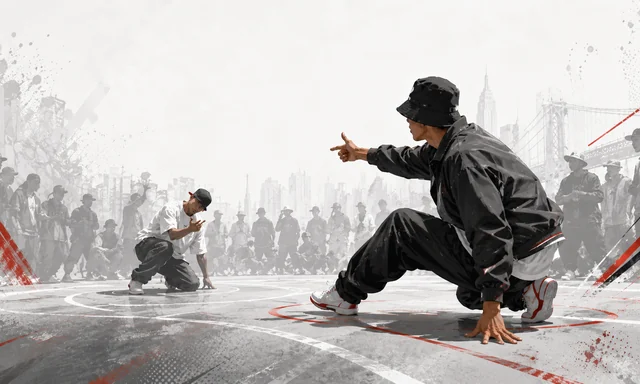
상대를 가리키는 것은 challenge, response, attention 또는 direct battle communication을 의미할 수 있습니다. Context와 attitude가 중요합니다.

귀를 가리키는 gesture는 음악을 들으라는 뜻, beat를 놓쳤다는 뜻, 또는 musicality를 강조하는 battle message일 수 있습니다.

Floor를 가리키는 gesture는 상대에게 춤추라고 요청하거나, floor에서 증명하라는 challenge를 의미할 수 있습니다.

Repeating gesture는 상대가 같은 move나 idea를 반복했다는 message일 수 있습니다. Battle 안에서는 originality나 variety에 대한 comment로 사용될 수 있습니다.

Crowd interaction은 dancer가 audience의 energy를 읽고 gestures, eye contact, humor, timing 또는 dramatic moments로 crowd와 소통하는 것입니다.

네. Gestures 자체가 battle을 이기는 기준은 아니지만, timing과 context가 좋으면 presence, confidence, battle communication을 더 강하게 보이게 할 수 있습니다.

Gestures는 context에 따라 다릅니다. Breaking battle에는 challenge와 attitude가 있지만, culture와 opponent에 대한 respect가 있어야 합니다.

좋은 gesture는 clear하고 musical하며 context에 맞고, dancer의 character와 battle response를 강화합니다. Forced하거나 disrespectful하면 효과가 약해질 수 있습니다.

Mocking은 상대를 놀리거나 상대의 movement, mistake, attitude를 흉내 내며 battle message로 사용하는 것입니다. It can be playful or disrespectful depending on context.

Burn은 challenge 중 상대를 이겼다는 의미로, 같은 movement를 더 쉽게, 더 clean하게 또는 더 complex하게 보여주는 것을 뜻할 수 있습니다. 또한 windmills, headspins, backspins처럼 floor friction으로 생기는 피부 burn을 의미하기도 합니다.

Burn은 battle awareness, timing, confidence, risk 그리고 opponent의 idea에 어떻게 response할지 배우게 합니다. 동시에 physical burn은 안전한 clothing과 training surface의 중요성을 알려줍니다.

Circle energy

사이퍼

Cypher awareness, floor control, etiquette and how dancers enter and leave the circle.

Related guide: Battles →

Cypher는 dancers가 원을 만들고 안으로 들어가 춤추는 space입니다. Exchange, style, identity, originality, respect가 중심이 되는 breaking culture의 핵심 공간입니다.

Cypher는 improvisation, confidence, respect, timing, community awareness 그리고 다른 사람에게 반응하는 능력을 배우게 합니다.

Cyphers는 breaking이 공유되고, 연습되고, 도전되고, 축하되는 핵심 공간입니다. Battle이 아니어도 exchange와 learning이 일어납니다.

Cypher awareness는 원 안의 space, energy, timing, people, flow를 읽고 언제 들어가야 하는지 이해하는 능력입니다.

Cypher awareness는 respect, patience, timing, spatial awareness 그리고 circle의 흐름을 방해하지 않고 참여하는 방법을 배우게 합니다.

Floor control은 dance space를 awareness, direction, safety, intention을 가지고 사용하는 능력입니다.

Floor control은 spatial awareness, movement planning, confidence 그리고 다른 사람과 부딪히지 않는 방법을 배우게 합니다.

Circle etiquette는 turns, space, music, dancers 그리고 cypher energy를 존중하는 unwritten behavior입니다.

Cypher에 들어갈 때는 space를 읽고, 적절한 순간을 기다리며, confidence와 respect를 가지고 들어갑니다.

Cypher에서는 자신의 round나 set을 마친 뒤 밖으로 나가 다음 dancer가 들어올 수 있도록 공간을 만들어 줍니다.

Lineage

크루와 커뮤니티

Crews, mentorship, oral history, respect, representation and each one teach one.

Related guide: B-Boy & B-Girl →

Dance crew는 함께 train, perform, compete 또는 represent하는 dancers의 group입니다. Breaking에서 crews는 knowledge를 나누고 서로를 support하며 community identity를 만듭니다.

Crew는 teamwork, loyalty, leadership, responsibility, communication, mutual support를 배우게 합니다. Shared experience를 통해 dancers가 성장할 수 있습니다.

Crews는 knowledge를 보존하고, identity를 만들고, dancers를 support하며, local 또는 international scenes를 represent하기 때문에 중요합니다.

Mentorship은 knowledge, discipline, history, responsibility 그리고 generations 사이의 respect를 배우게 합니다.

Lineage는 teachers, crews, mentors, local scenes 그리고 previous generations로 이어지는 influence의 chain입니다.

Oral history는 movements, values, battles, people, ideas가 어디에서 왔는지 알려 줍니다. 기록되지 않은 scene knowledge를 이해하는 데 중요합니다.

Knowledge는 dancers가 breaking의 roots, values, history, music, rules of engagement 그리고 cultural context를 이해하도록 도와줍니다.

Respect는 music, culture, space, opponent, elders, dancers 그리고 breaking history를 인정하고 존중하는 것입니다.

Respect는 humility, awareness, sportsmanship, gratitude 그리고 culture에 대한 responsibility를 배우게 합니다.

Breakers는 practice, originality, contribution, humility, battle presence, knowledge, consistency, community support 그리고 사람을 대하는 태도를 통해 respect를 얻습니다.

Representation은 자신이 누구인지, 어디에서 왔는지, 어떤 crew나 community가 자신을 만들었는지, 어떤 values를 dance에 가져오는지 보여주는 것입니다.

Each one teach one은 knowledge가 사람에서 사람으로 나뉘어야 한다는 뜻입니다. Breaking에서는 mentorship, community responsibility 그리고 culture를 이어 가는 idea를 의미합니다.

Jams & comps

Events

Jams, sessions, workshops, showcases, qualifiers, prelims, finals and battle brackets.

Related guide: Battles →

Jam은 music, dancers, culture가 모이는 community gathering입니다. Cyphers, battles, showcases, DJs, workshops, social exchange가 함께 있을 수 있습니다.

Session은 dancers가 train, exchange, stamina를 만들고 ideas를 나누는 practice gathering입니다.

Workshop은 dancer, teacher 또는 expert가 이끄는 class나 training session입니다. Technique, culture, musicality, battle skills에 집중할 수 있습니다.

Showcase는 audience를 위해 준비된 performance입니다. 즉흥적인 cypher나 battle round와는 다를 수 있습니다.

Qualifier는 dancers가 더 큰 battle이나 competition에 올라가기 위해 경쟁하는 event 또는 round입니다.

Prelim은 dancers 또는 crews를 다음 stage로 선발하기 위한 preliminary round입니다.

Final은 competition의 마지막 battle 또는 stage로, winner가 결정되는 순간입니다.

Judge showcase는 judges가 자신의 style, credibility, signature movements를 보여주기 위해 하는 짧은 performance입니다.

Battle bracket은 누가 누구와 battle하고, dancers 또는 crews가 어떻게 다음 단계로 올라가는지 보여주는 tournament structure입니다.

Beginner path

브레이킹 배우기

Practice tips, shoes, safety, injury prevention, beginner mistakes and learning at home.

Related guide: Beginners →

Beginners는 rhythm, basic toprock, safe go-downs, simple footwork, beginner freezes 그리고 culture에 대한 respect부터 시작해야 합니다.

Music, comfortable clothes, sneakers, safe floor space 그리고 patience가 필요합니다. 일부 dancers는 knee pads, wrist support, beanies를 protection용으로 사용합니다.

좋은 breaking shoes는 comfortable하고 supportive하며 flexible해야 합니다. Floor에 너무 붙지 않으면서도 충분한 grip이 있어야 합니다.

Practice frequency는 level, goals, body, schedule에 따라 달라집니다. 짧더라도 consistent한 sessions와 rest가 occasional overtraining보다 좋습니다.

Art form을 공부하고, experienced dancers에게 배우고, foundation을 연습하고, music을 듣고, 자신을 filming하고, feedback을 받으며, cyphers와 sessions에 참여하면 더 빨리 성장할 수 있습니다.

Warm up을 하고, strength를 gradually 만들고, safe surfaces를 사용하고, correct technique을 배우며, 필요할 때 rest하고 advanced moves를 너무 빨리 forcing하지 않아야 합니다.

네. 충분한 space와 안전한 floor가 있으면 집에서도 시작할 수 있습니다. 하지만 가능하면 experienced dancers, classes, workshops, cyphers를 통해 배우는 것이 좋습니다.

목표에 따라 다르지만 대부분의 beginners는 foundation을 먼저 만드는 것이 좋습니다. Backspins나 handglides 같은 basic power moves는 일찍 배울 수 있지만 advanced power는 천천히 접근해야 합니다.

흔한 mistakes는 rushing, foundation을 건너뛰기, 이해 없이 copy하기, music을 무시하기, rhythm을 만들지 않기, advanced moves를 너무 빨리 시도하기입니다.

모든 beginner는 먼저 history, rhythm, basic toprock, footwork 그리고 basic freezes를 배워야 합니다.

Safe learning

어린이와 부모

Child-friendly breaking, parent support, safe progression, rhythm games and confidence.

Related guide: Kids →

Breaking은 children의 coordination, confidence, creativity, discipline, rhythm, social interaction을 도울 수 있습니다.

Breaking은 children에게 discipline, coordination, confidence, creativity, teamwork, respect, perseverance 그리고 self-expression을 가르칠 수 있습니다.

Breaking은 warm-up, age-appropriate movement, safe surfaces, progressive teaching이 있으면 kids에게 안전할 수 있습니다. Advanced tricks를 너무 빨리 강요하면 안 됩니다.

Children은 어린 나이에도 rhythm games, basic steps, safe movement부터 시작할 수 있습니다. 어려운 movement는 body readiness와 maturity에 따라 천천히 introduced되어야 합니다.

Parents는 breaking이 단순한 tricks가 아니라 culture라는 것을 알아야 합니다. 좋은 teaching은 safety, music, respect, foundation, creativity를 포함합니다.

Parents는 safe classes를 찾고, practice를 격려하고, culture를 respect하며, events를 support하고, 아이가 천천히 성장할 시간을 주는 방식으로 도울 수 있습니다.

Archive

문화와 미래

Preservation, documentation, cultural protection, life skills and the future of breaking.

Related guide: History →

Breaking history는 dancers가 culture를 만든 people, places, music, battles, communities를 이해할 수 있도록 보존되어야 합니다.

Archives는 future generations가 누가 culture를 만들었고, style이 어떻게 변했으며, 어떤 moments가 scene을 shaped했는지 볼 수 있게 합니다. 또한 잘못된 정보로부터 truth를 보호하는 데 도움이 됩니다.

사진, 영상, interviews, articles를 통한 documentation은 events, dancers, crews, battles 그리고 important moments를 기록하고 breaking culture를 위한 archive를 만드는 데 도움이 됩니다.

Breaking의 미래는 더 professional하고 organized하며 global해지고 있습니다. 하지만 culture, community, music, cyphers, jams, local scenes가 계속 중심이 되어야 합니다.

Breaking은 local scenes, international travel, competitions, media, workshops 그리고 새로운 generations가 자신만의 style을 더하면서 evolve해 왔습니다.

Breaking culture는 education, credit, documentation, mentorship, respect, community-led storytelling 그리고 culture를 만든 사람들을 support함으로써 보호할 수 있습니다.

Breaking은 music, history, style, cypher culture, battles, respect, creativity 그리고 community를 포함하기 때문에 단순한 tricks 이상입니다.

Breaking은 resilience, confidence, discipline, creativity, teamwork, leadership, patience 그리고 mistakes에서 배우는 능력을 가르칩니다.

Breaking은 respect, originality, perseverance, community, knowledge, courage, creativity 그리고 responsibility를 가르칩니다.

Breaking은 hip-hop의 early development와 연결된 core elements 중 하나이기 때문에 중요합니다. Dance, rhythm, competition, self-expression, community 그리고 cypher energy를 대표합니다.

누군가는 training, teaching, organizing, documenting, DJing, events support, mentoring, history preservation 그리고 culture respect를 통해 breaking scene에 contribute할 수 있습니다.

DMCA / Copyright & Corrections

We respect copyright and cultural accuracy.

Breaking history is community-based. If you notice a missing credit, cultural correction, terminology issue, scene-history update or copyright concern, contact dmca@streetdance.com.

Read DMCA / Corrections →