Breaking Section / Glossary

Breaking Glossary

The language of breaking culture, from b-boy and b-girl to cypher, battle, breakbeat and foundation.
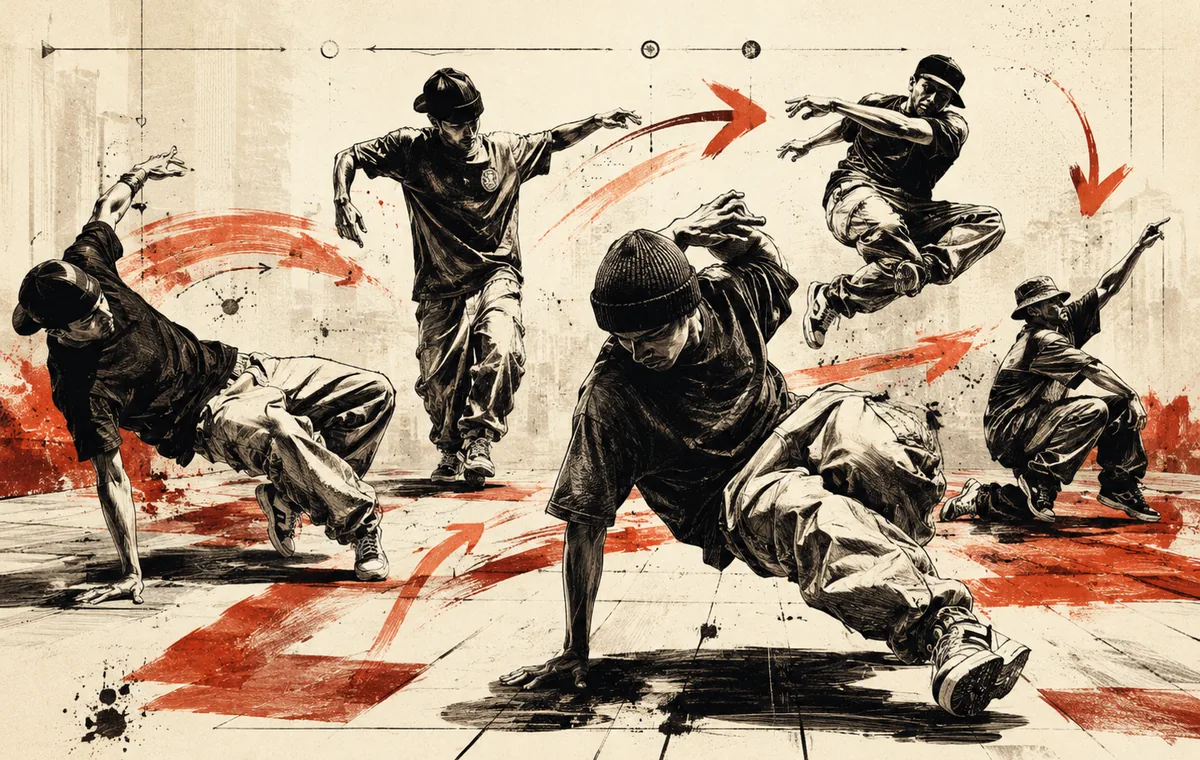
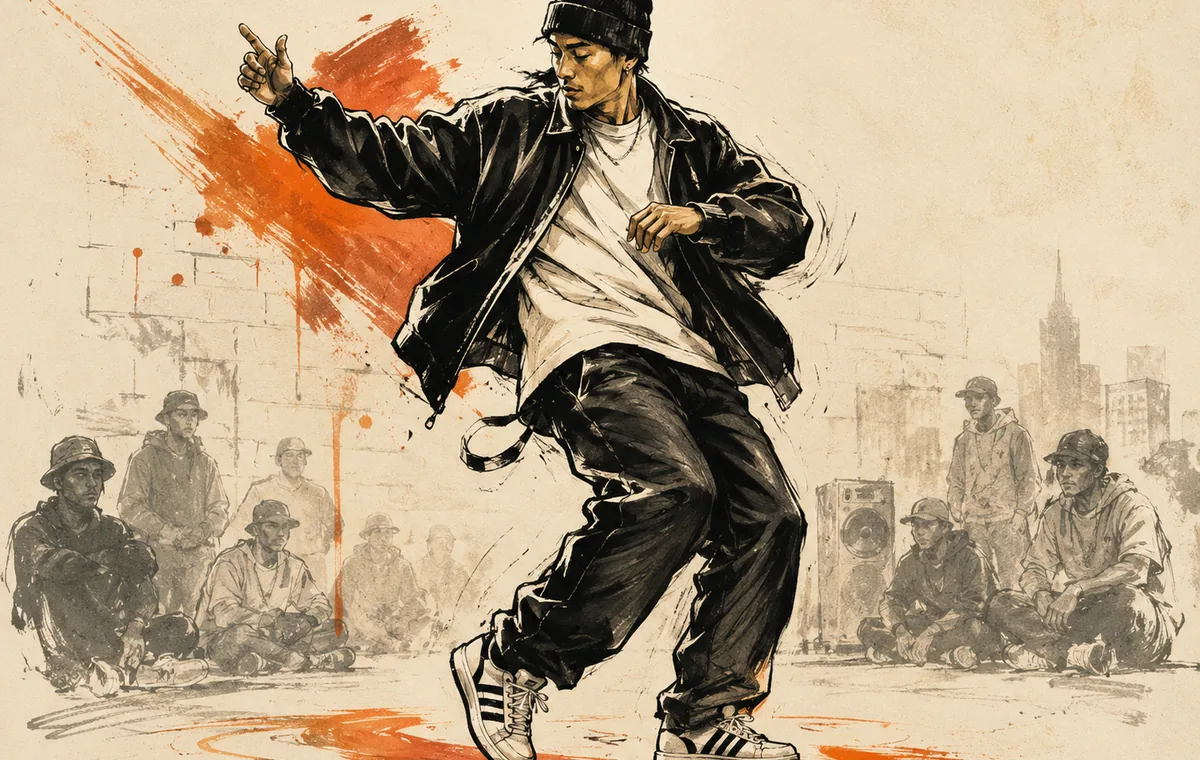
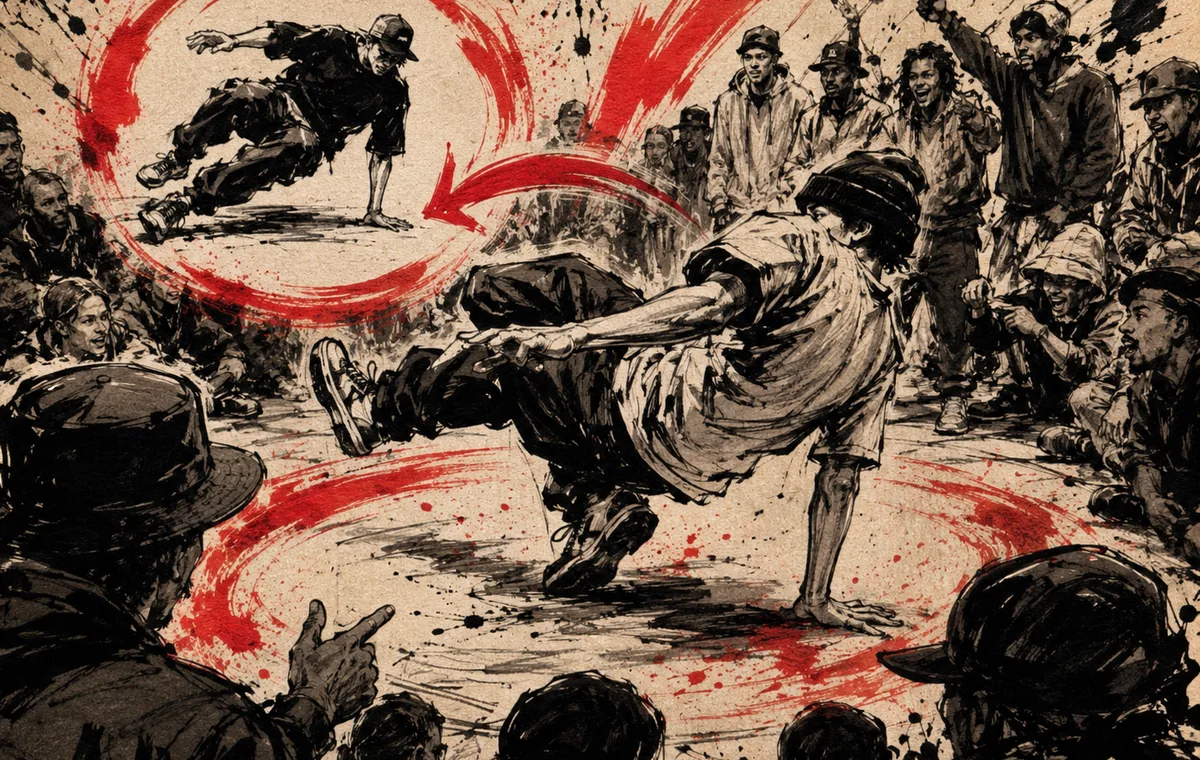
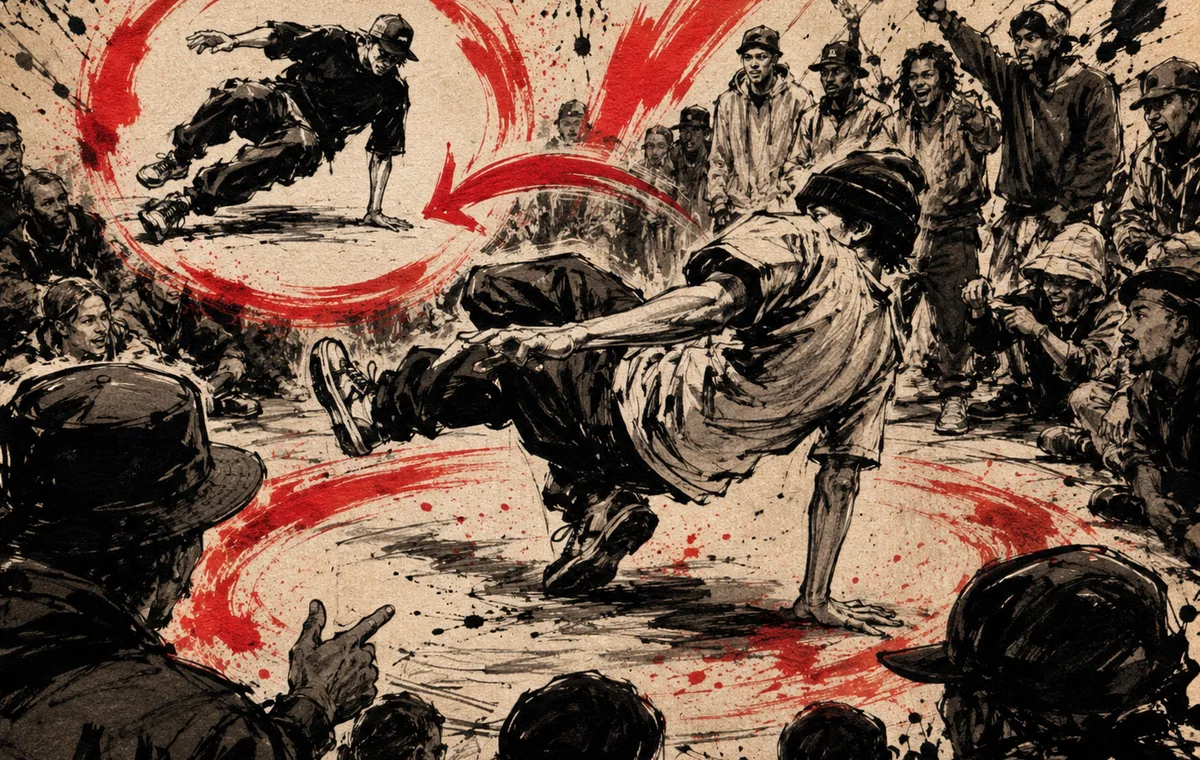
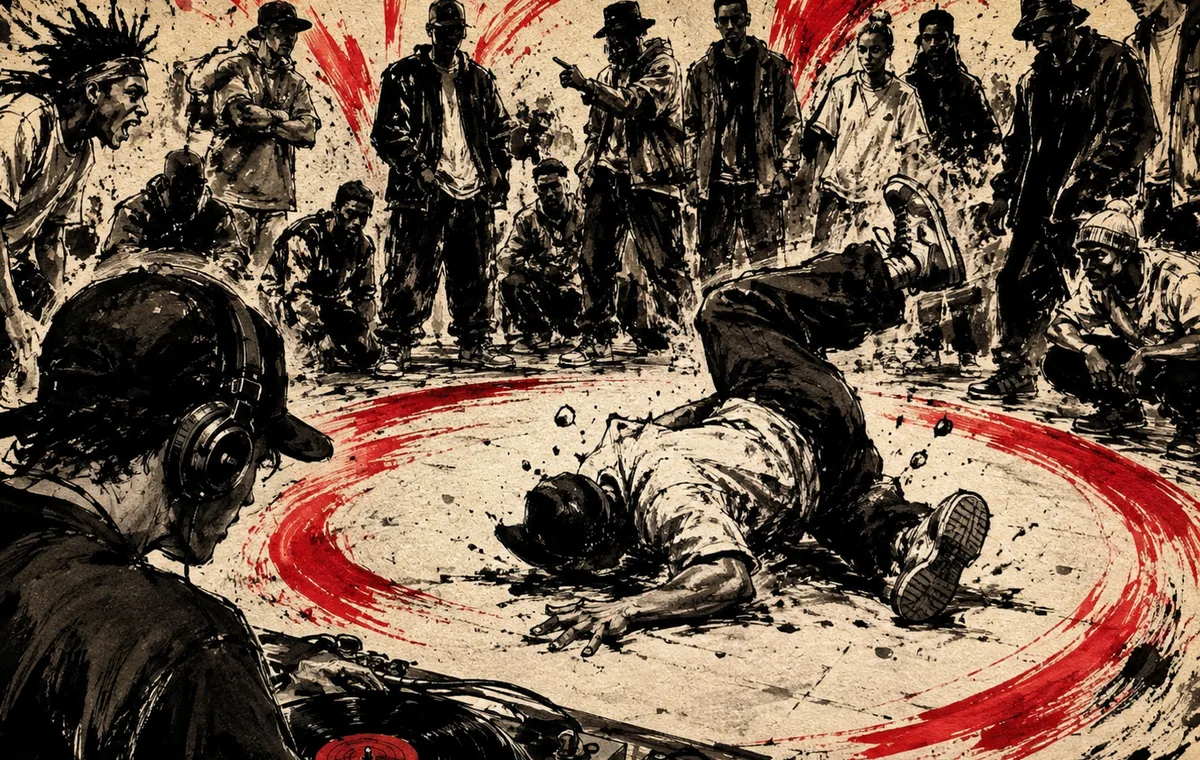
Original editorial illustration for breaking glossary

The language of breaking culture

Breaking has its own language. To understand the dance, you also need to understand the words, traditions and meanings carried inside the culture.

Words carry history

Some terms describe movement. Some terms describe music. Some terms describe battle language, identity, respect, crews, history and style. Together, these words help explain how b-boys, b-girls and breakers communicate inside the cypher and inside the scene.

Core identity terms

Core identity terms illustration
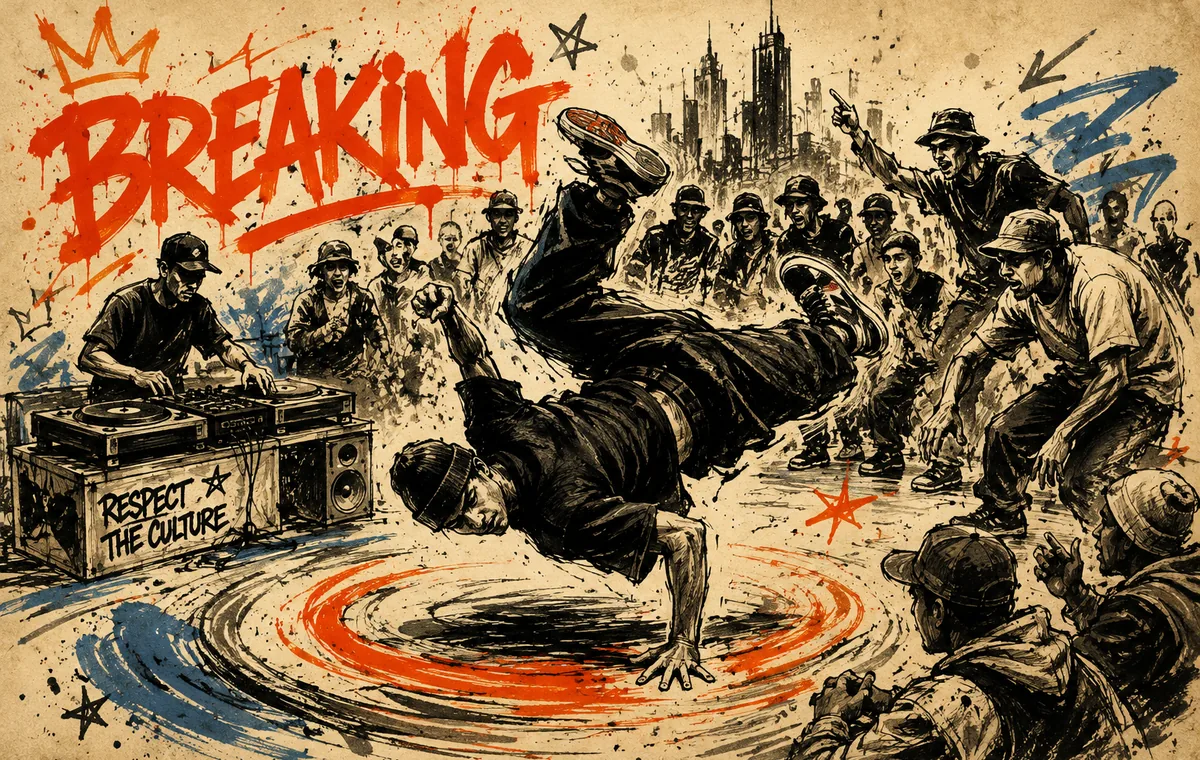
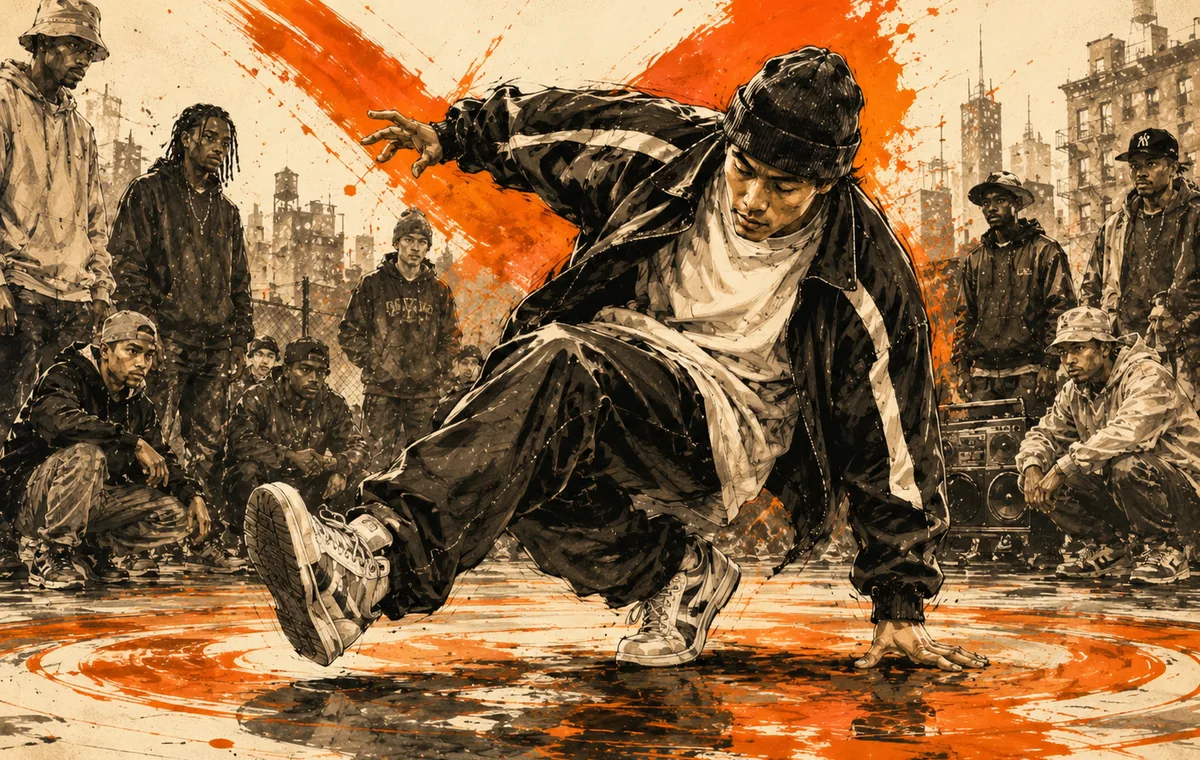
Original breaking illustration showing the dance and culture

Breaking

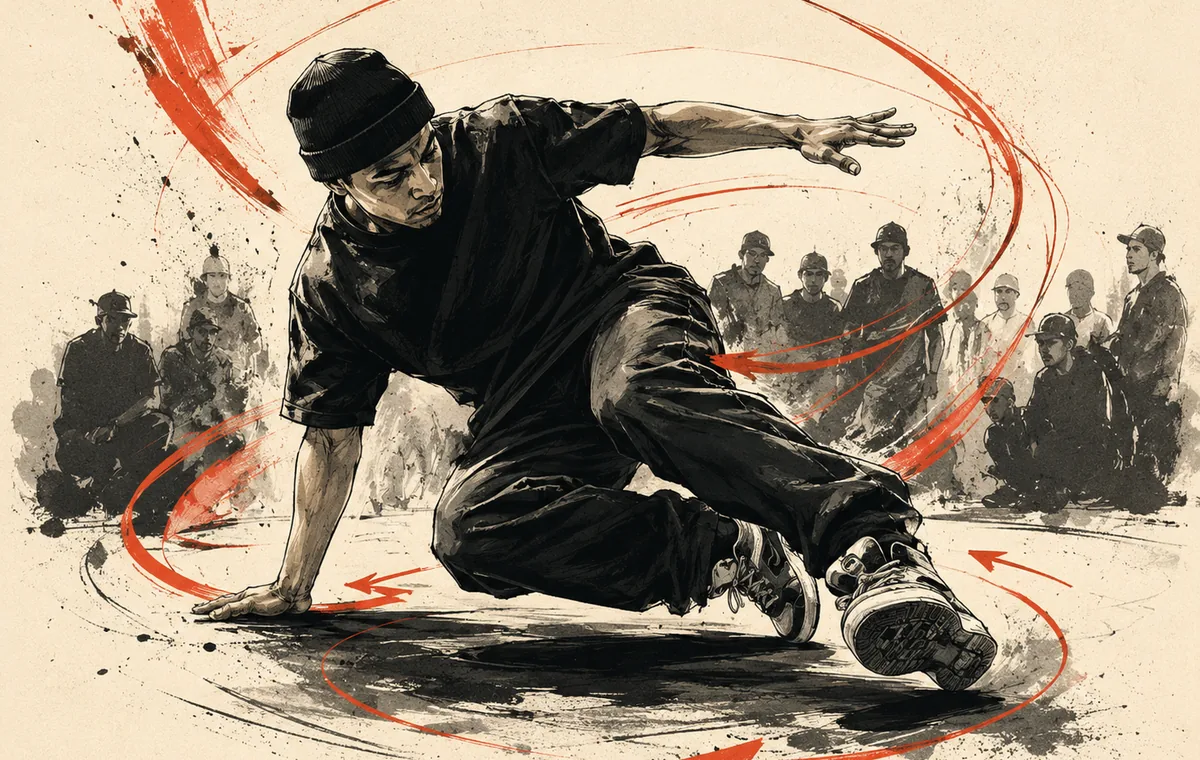
Breaking is the original dance form connected to hip-hop culture, breakbeats, cyphers, crews, battles, style and foundation. It includes toprock, go-downs, footwork, freezes, power moves, gestures, rhythm and personal expression.

Read related guide →
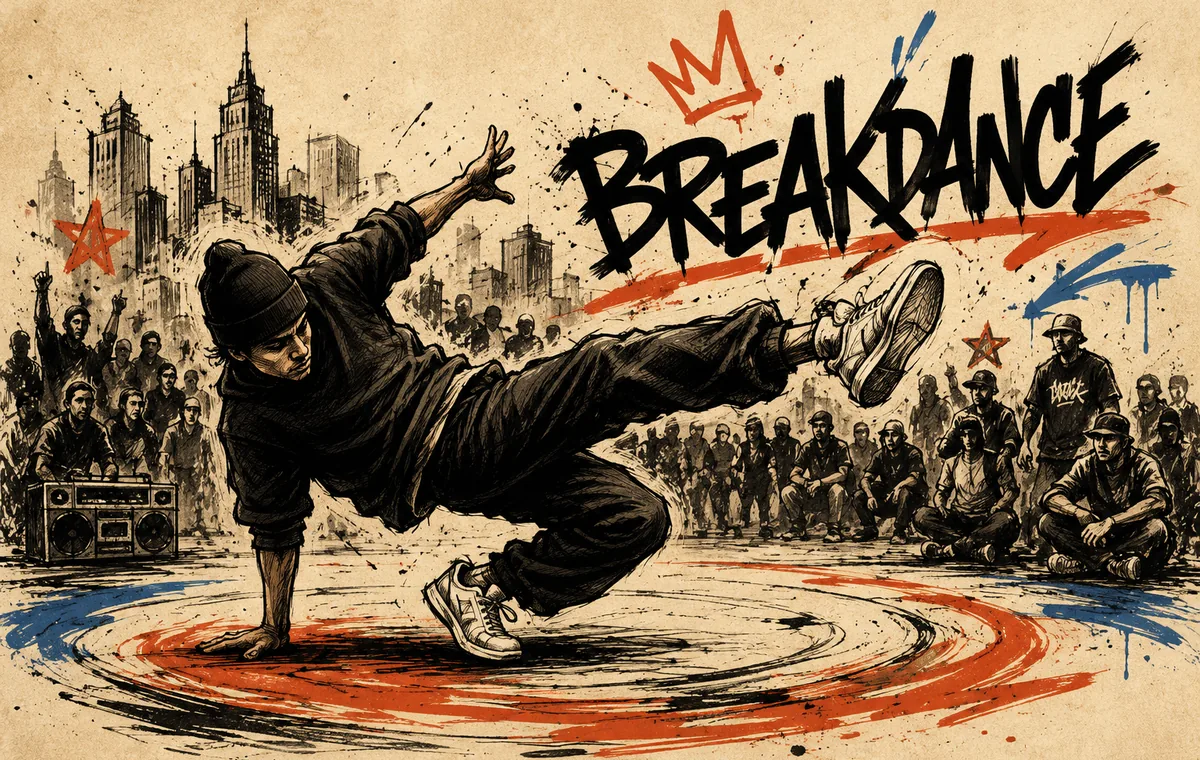
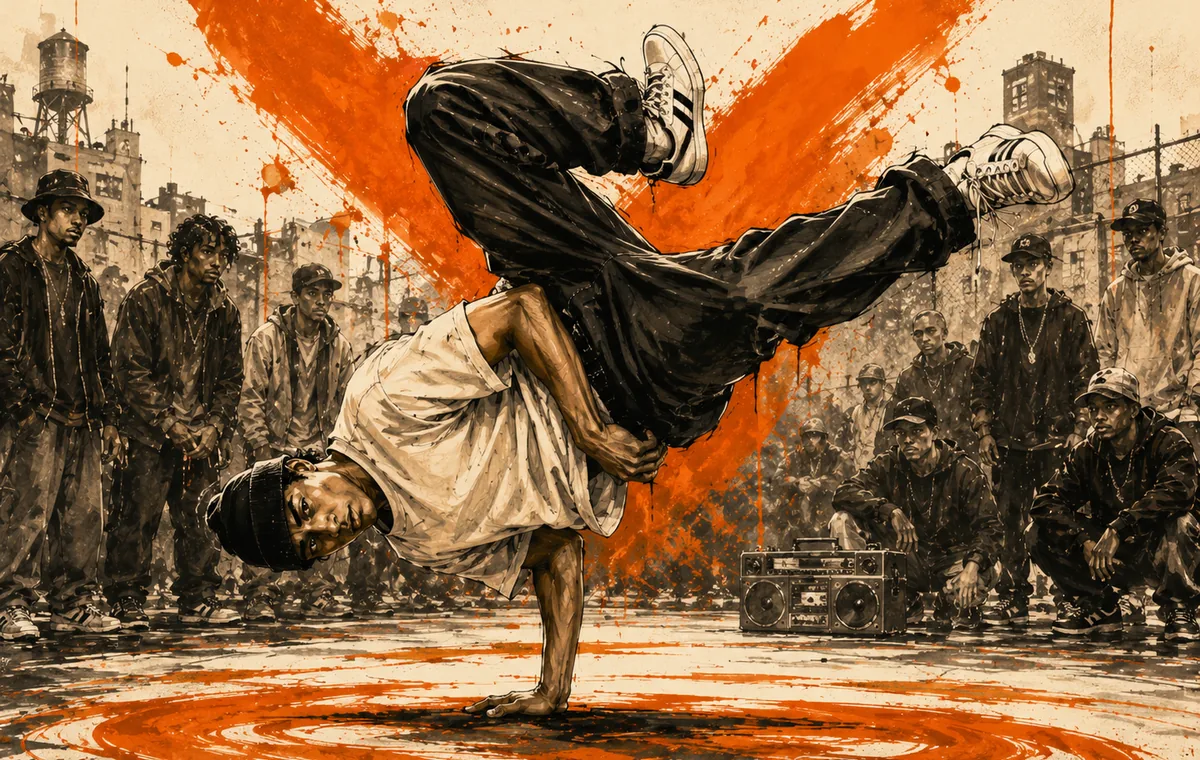
Original breakdance illustration with graffiti-style title

Breakdance

Breakdance is the mainstream word many people use for breaking. The word is widely recognized by the public, media and beginners, but inside the culture many dancers prefer “breaking.”

Read related guide →
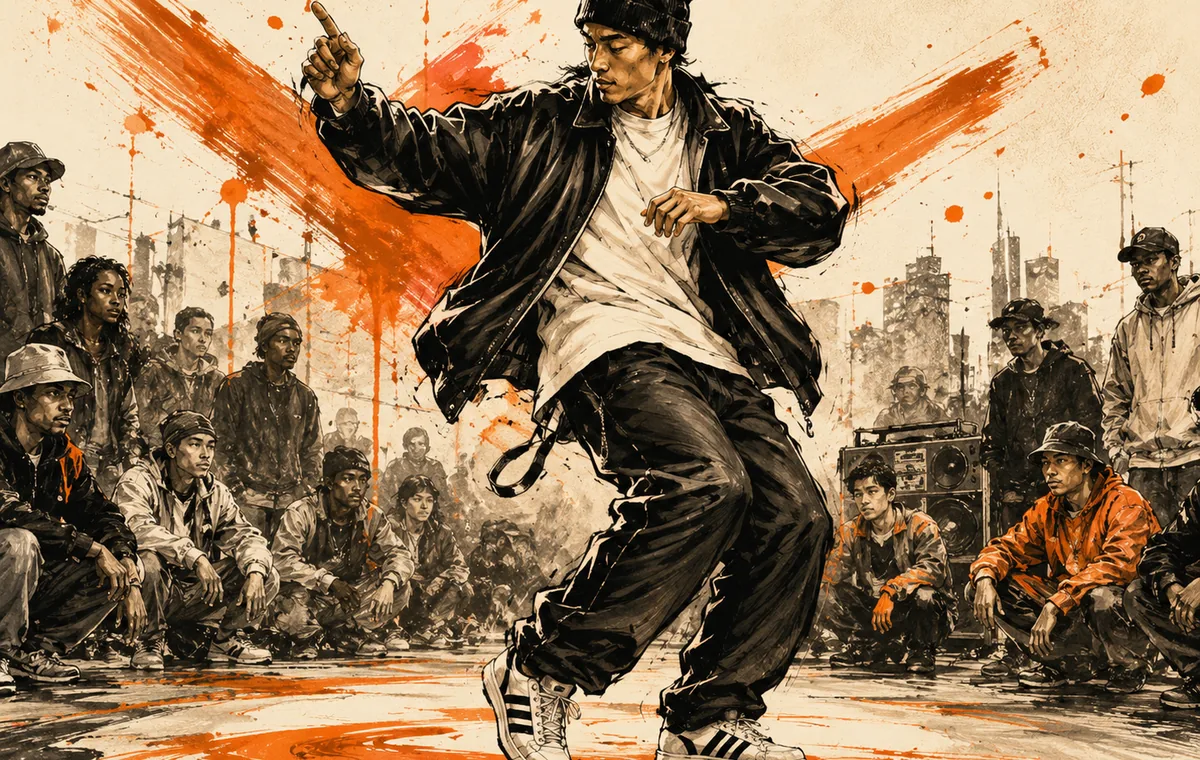
Original b-boy illustration in a cypher

B-boy

A b-boy is the male reference to someone who practices breaking or breakdance. A b-boy carries the culture through rhythm, style, foundation, cypher presence and representation.

Read related guide →
Original b-girl illustration in a cypher

B-girl

A b-girl is the female reference to someone who practices breaking or breakdance. A b-girl represents through movement, musicality, identity, battle response, style and knowledge.

Read related guide →
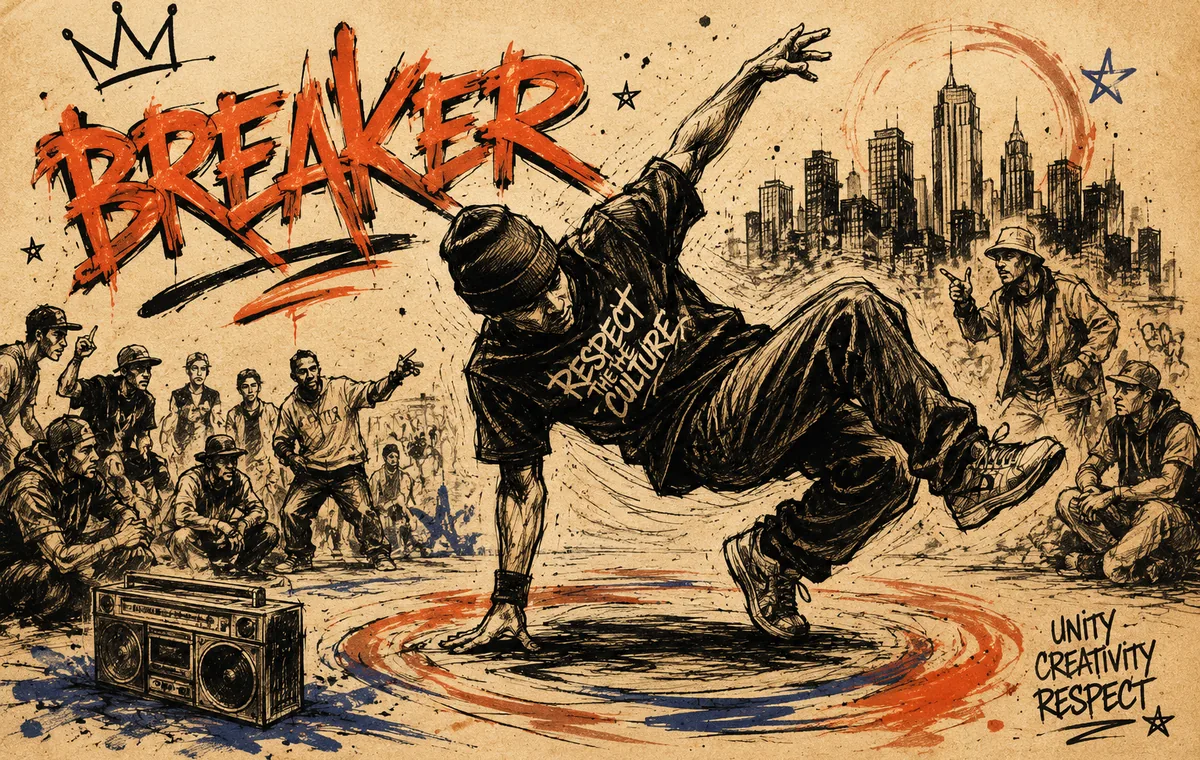
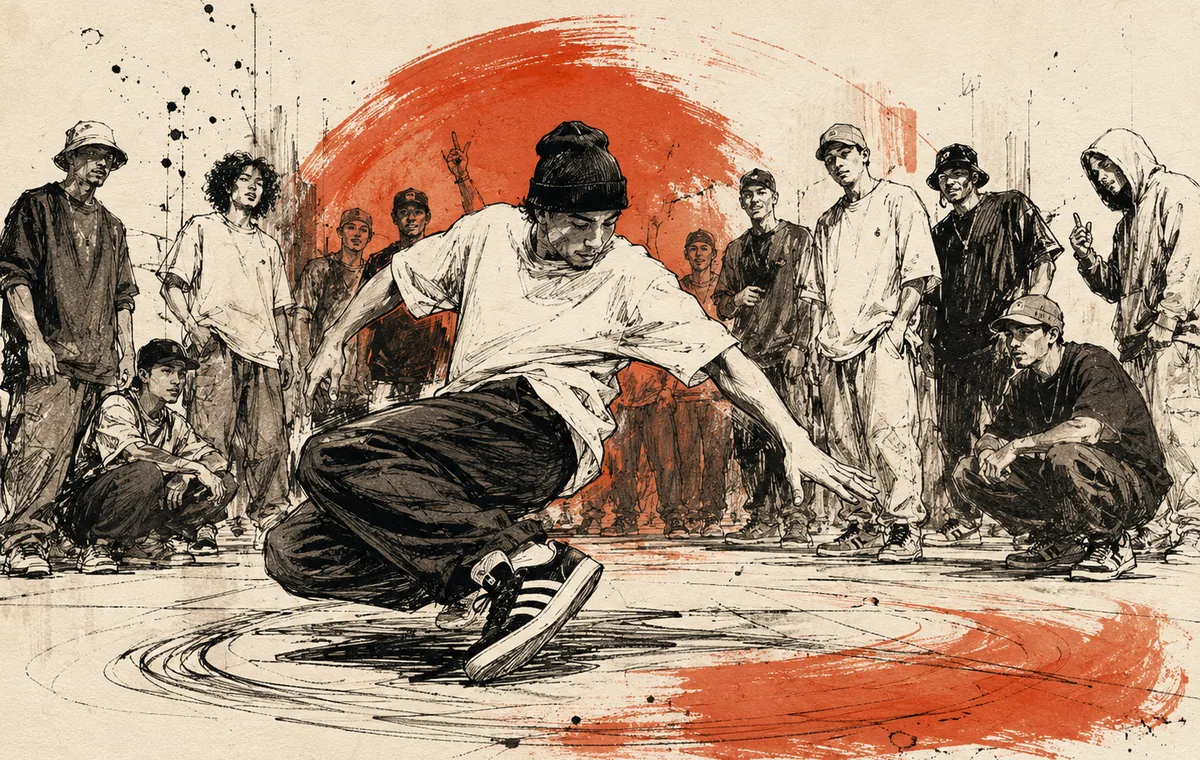
Original breaker illustration in motion

Breaker

A breaker is a modern neutral term for someone who practices breaking, regardless of gender.

Read related guide →

Dance structure terms

Dance structure terms illustration
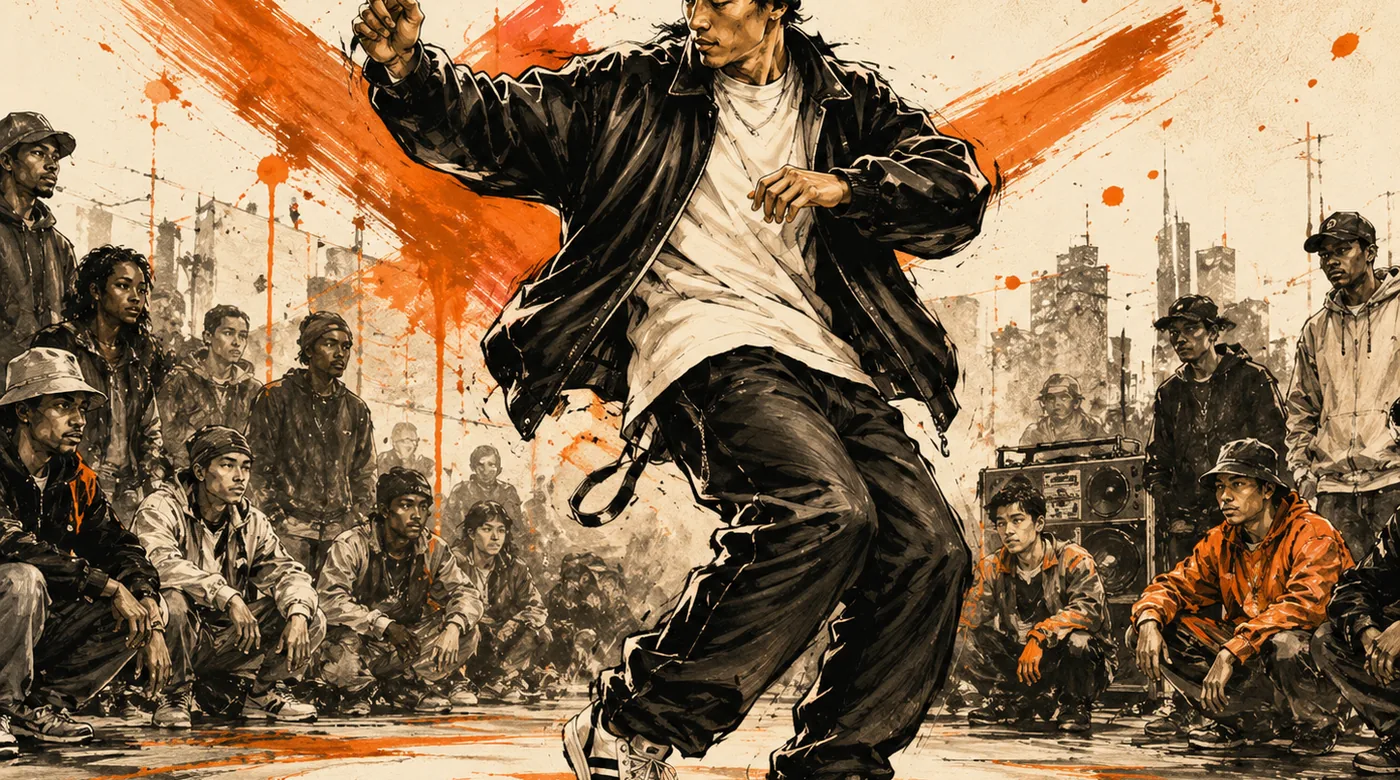
Original toprock illustration

Toprock

Toprock is the standing part of breaking. It is how a dancer enters the music, shows rhythm, confidence, style and personality before going to the floor.

Read related guide →
Original go-down entry illustration

Go-down / Entry

A go-down or entry is the transition from standing movement to the floor. A strong entry connects naturally from toprock into footwork, freezes or power.

Read related guide →
Original foundation and footwork illustration

Footwork

Footwork is the floor language of breaking. It includes steps, patterns, direction changes, weight shifts and movement close to the ground.

Read related guide →
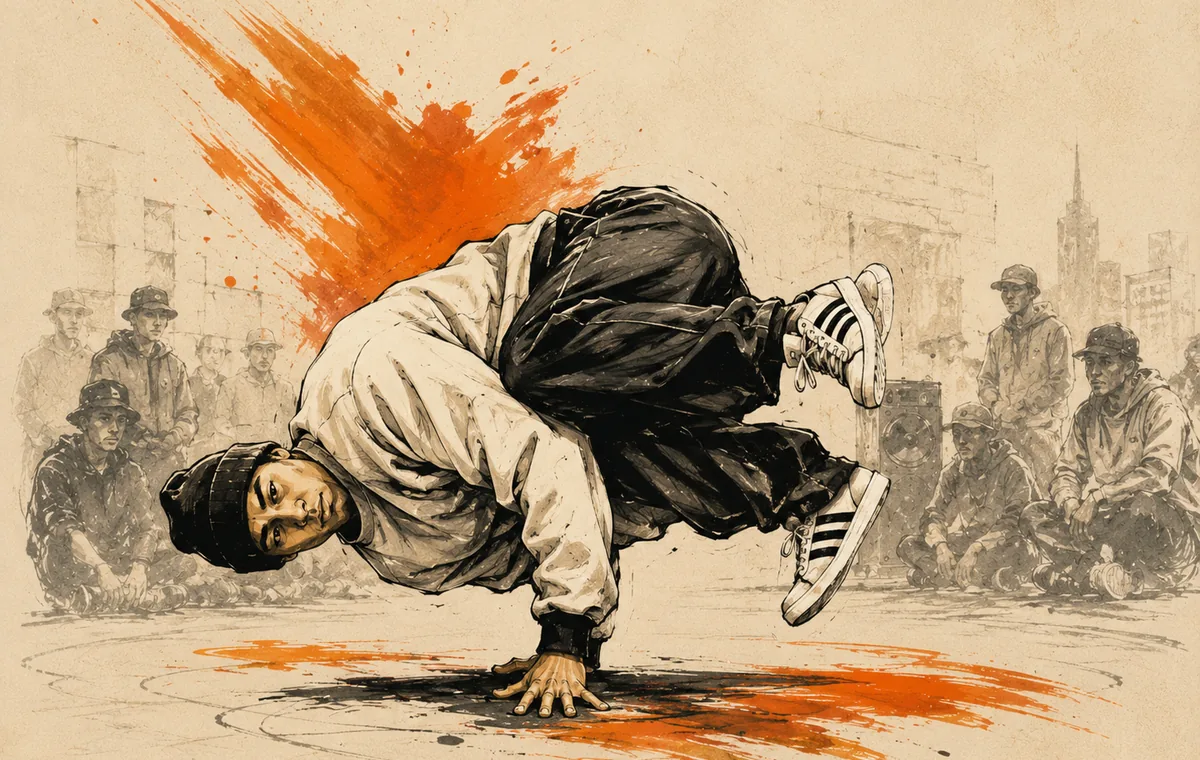
Original freeze illustration

Freeze

A freeze is a controlled stop or held position. It can hit a beat, finish a round, show balance or create impact.

Read related guide →
Original power move illustration

Power move

Power moves are dynamic, often rotational or acrobatic movements. They require strength, control, technique and safe progression.

Read related guide →
Original flow illustration

Flow

Flow is how smoothly a dancer connects movements together. Good flow makes a round feel like one idea instead of separate tricks.

Read related guide →

Battle and cypher terms

Battle and cypher terms illustration
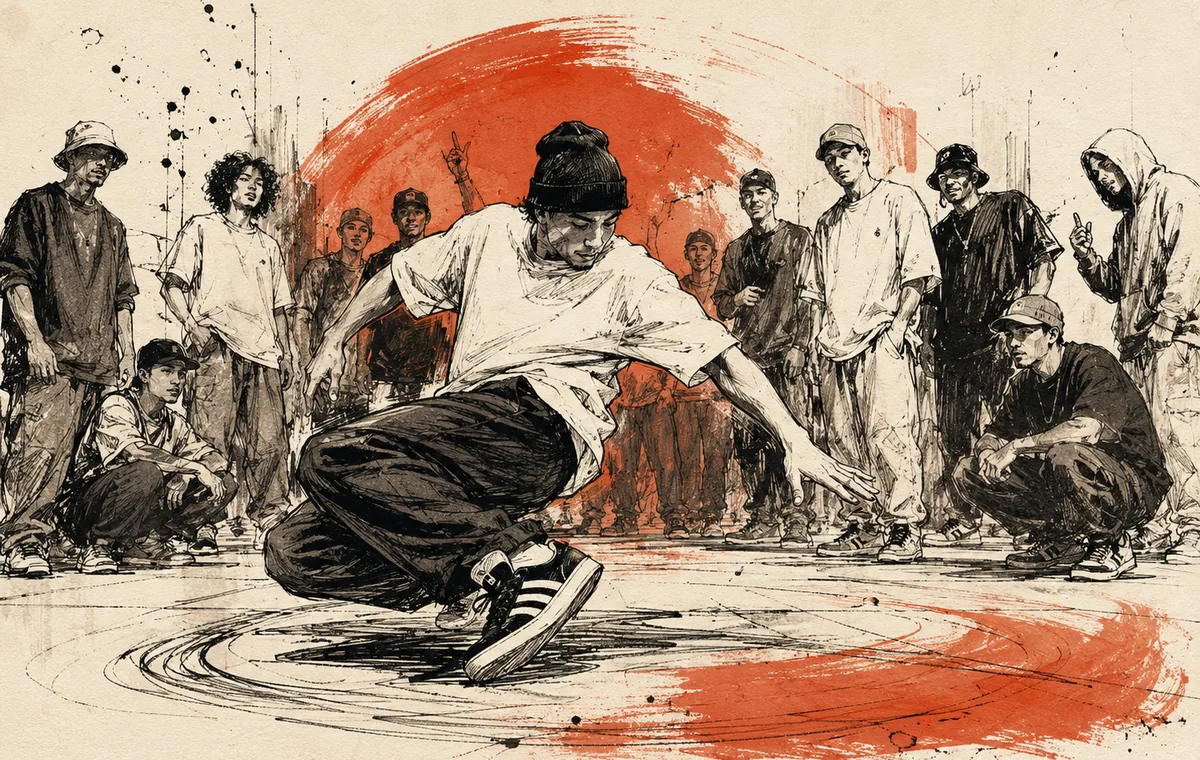
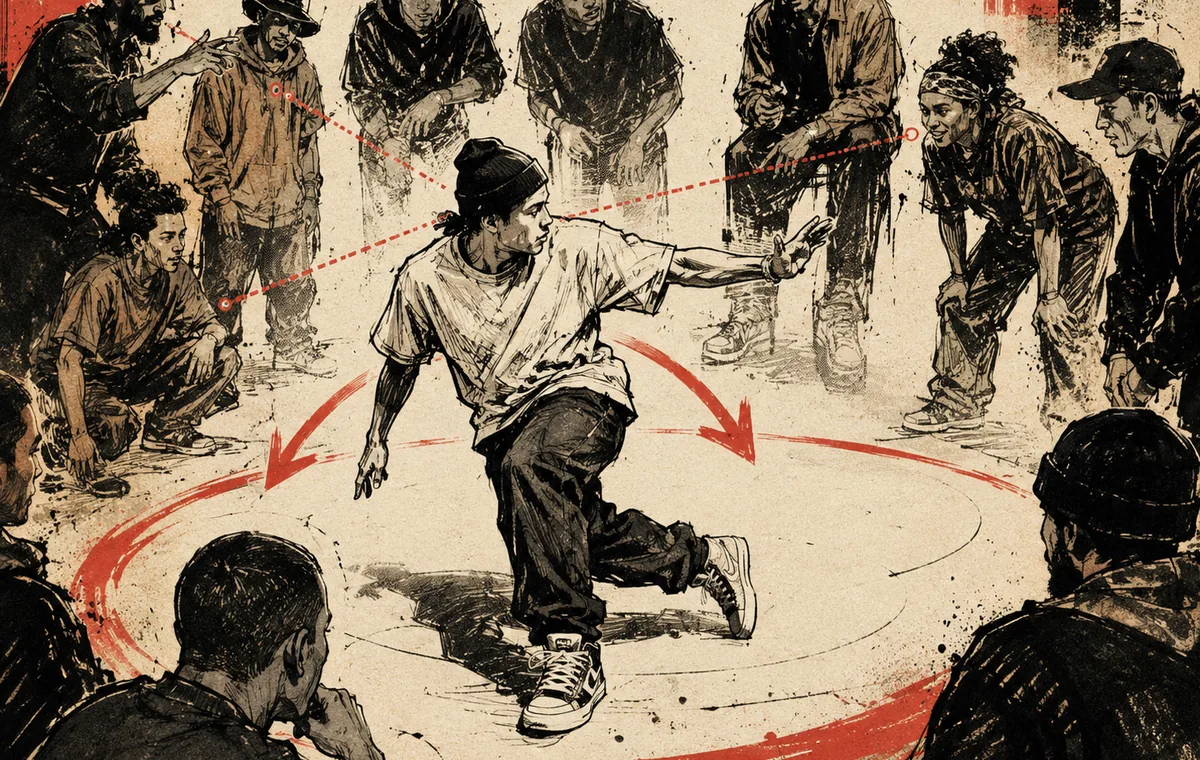
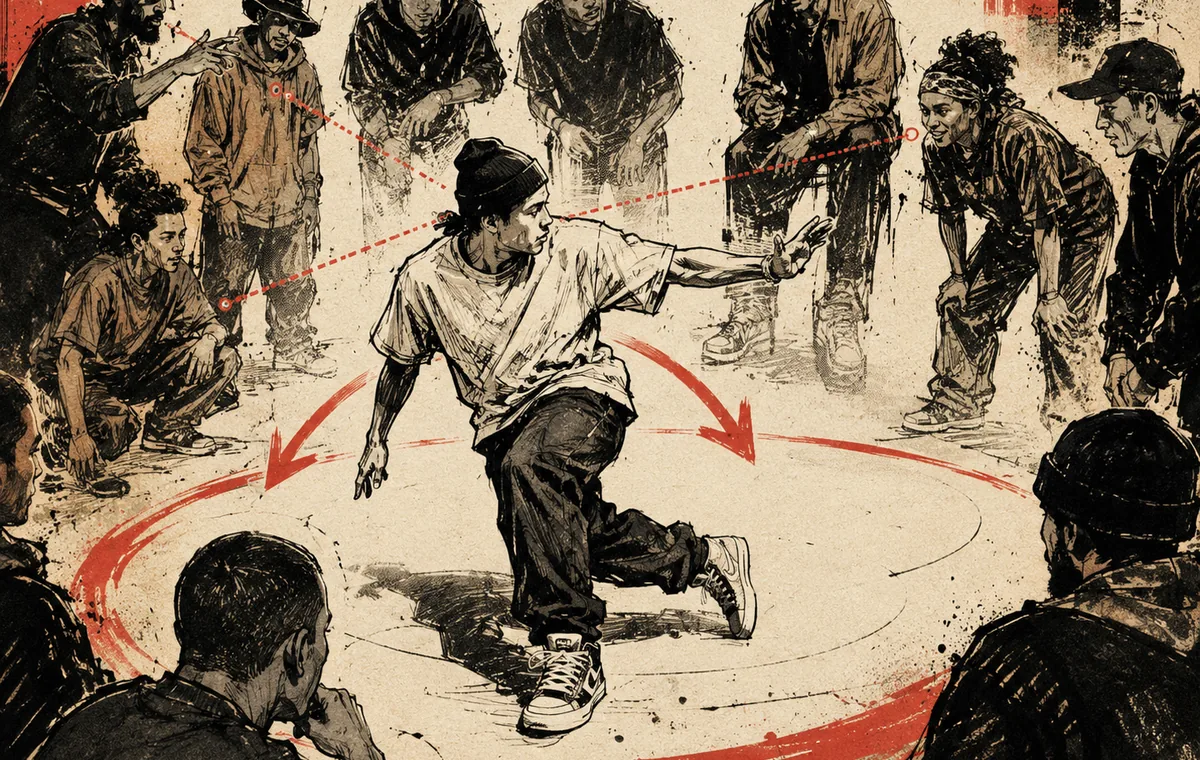
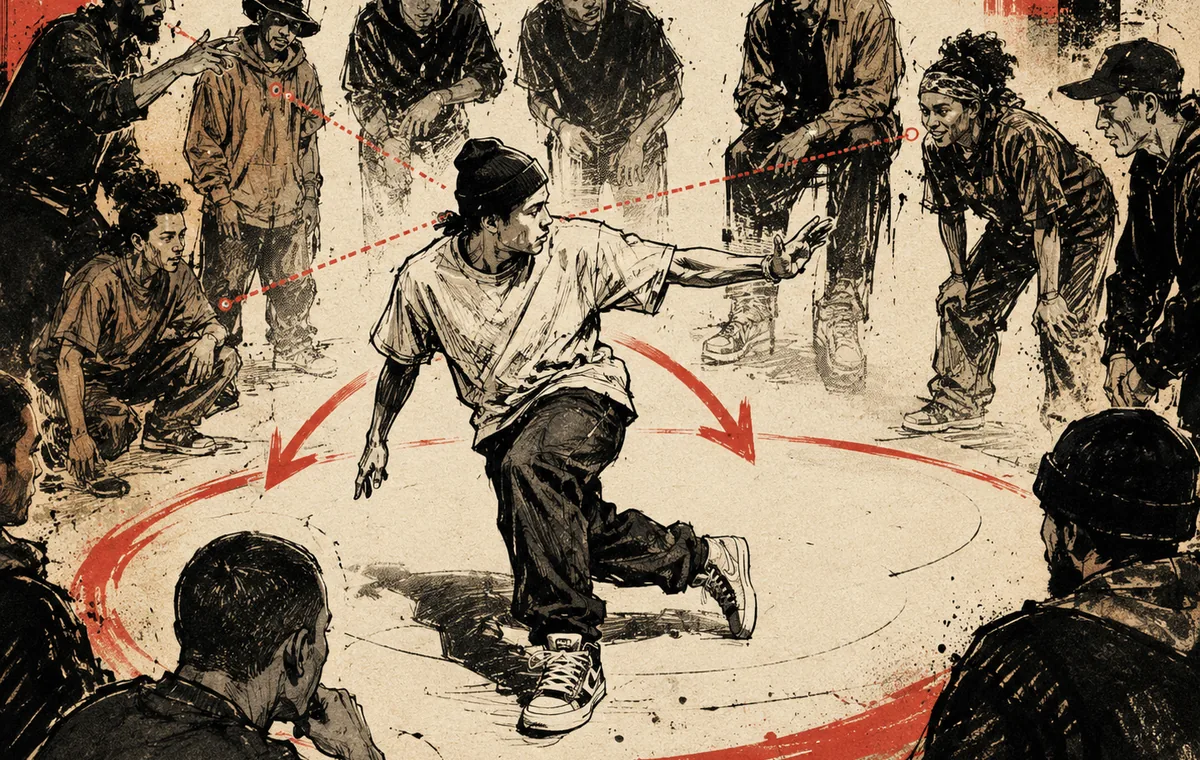
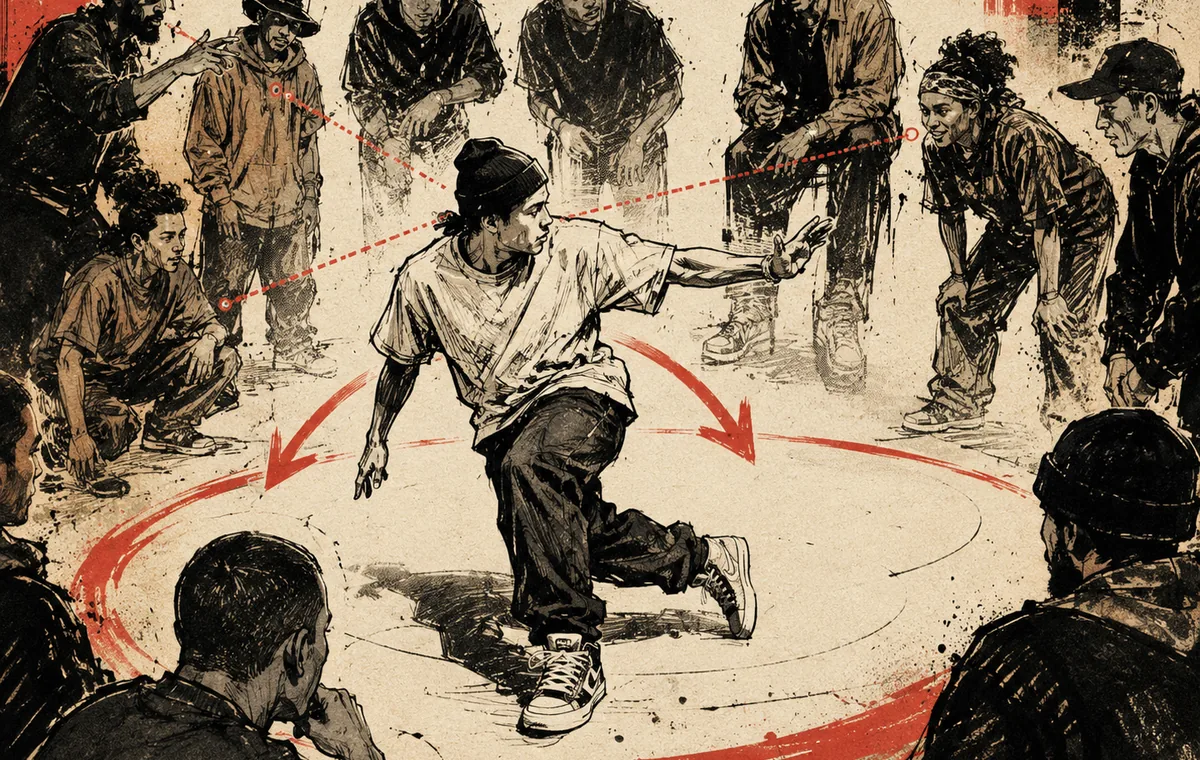
Original cypher circle illustration

Cypher

A cypher is a circle where dancers enter one by one to dance, exchange energy and represent themselves. A cypher can be friendly, intense, creative or competitive.

Read related guide →
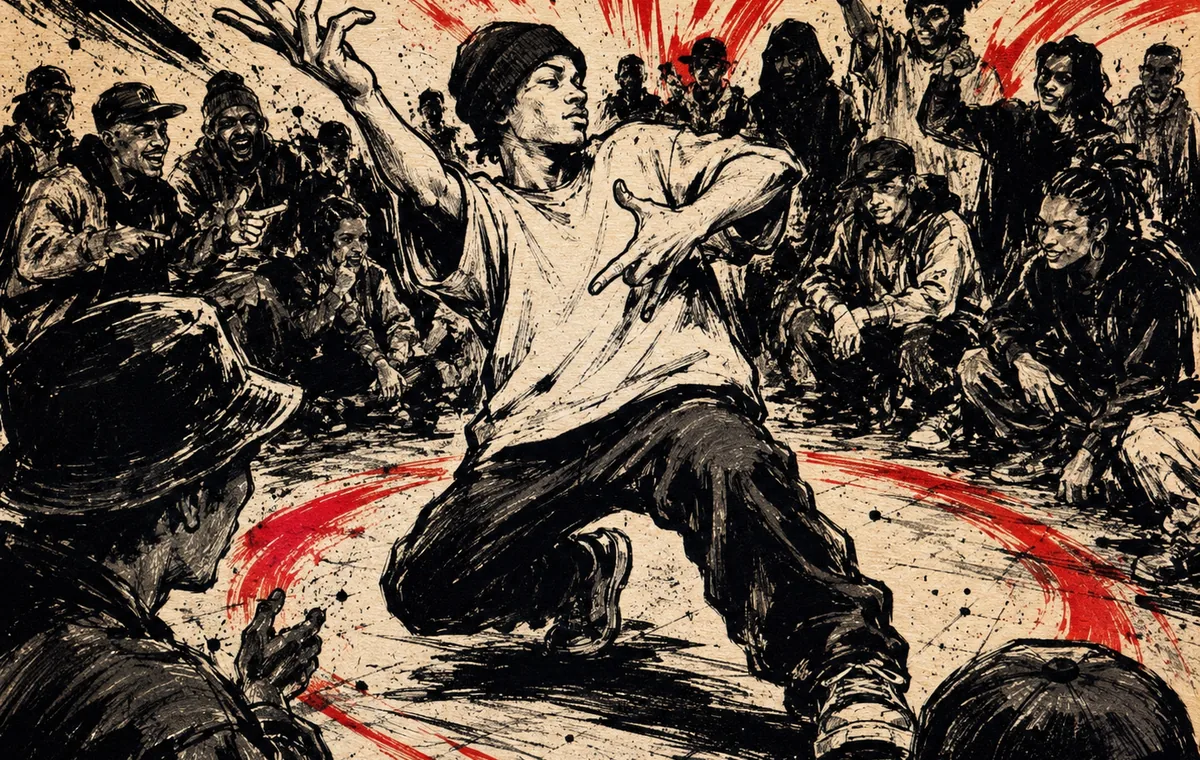
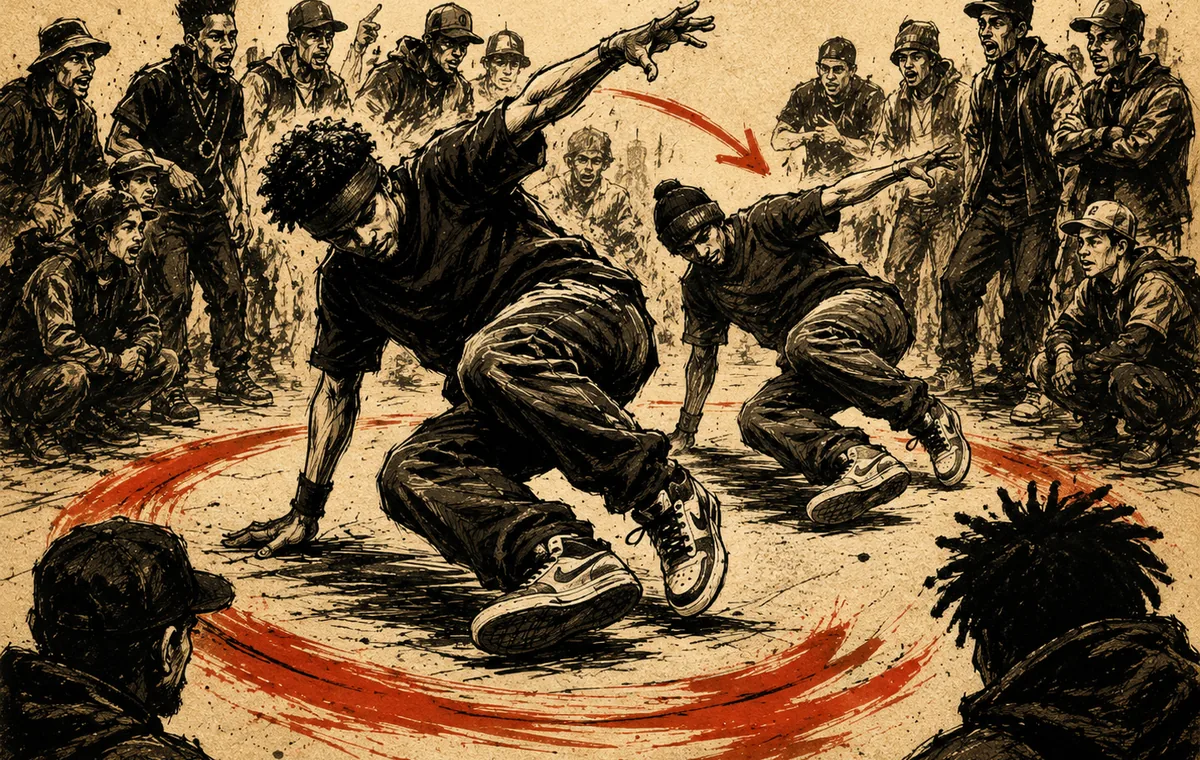
Original battle illustration

Battle

A battle is a direct exchange between dancers or crews. It can happen inside a cypher or on a stage. Dancers respond through movement, rhythm, confidence and strategy.

Read related guide →
Original round illustration

Round

A round is the moment a dancer enters and presents their movement during a battle or cypher.

Read related guide →
Original call-out illustration

Call-out

A call-out is when a dancer challenges or invites another dancer to respond. It can happen with a gesture, look, point, hand wave or direct movement.

Read related guide →
Original burn illustration

Burn

A burn is a small mocking or teasing action used in a battle to pressure or embarrass an opponent. It should be clever and controlled, not unsafe.

Read related guide →
Original bite and biting illustration

Bite / Biting

Biting means copying another dancer’s move, style, idea or signature without making it your own. In battle language, the biting gesture can be shown with the double elbow sign.

Read related guide →
Original gesture illustration

Gesture

A gesture is a hand sign, body action, facial expression, pause or attitude-based movement used to communicate inside the cypher or battle.

Read related guide →
Original crash illustration

Crash

A crash is when a dancer slips, falls, loses control or fails to land a move cleanly.

Read related guide →

Music terms

Music terms illustration
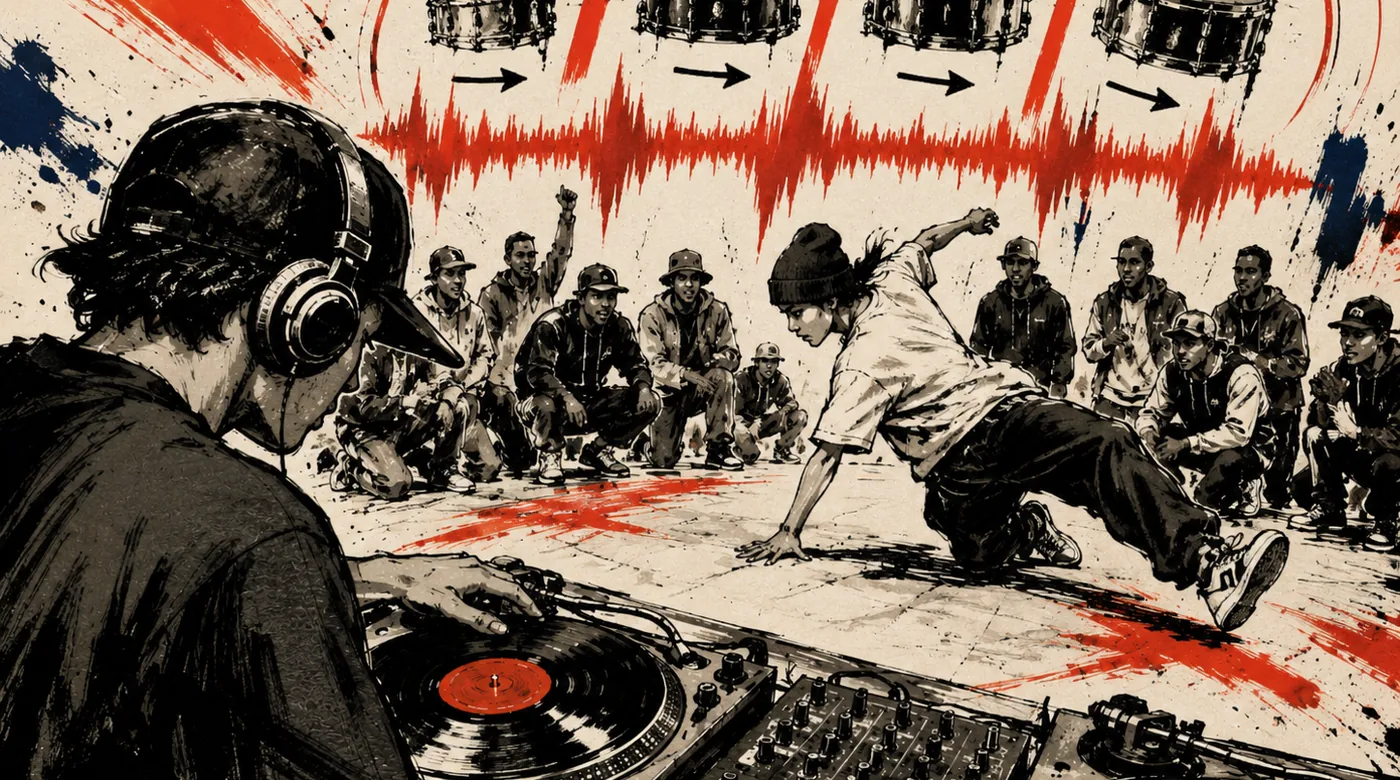
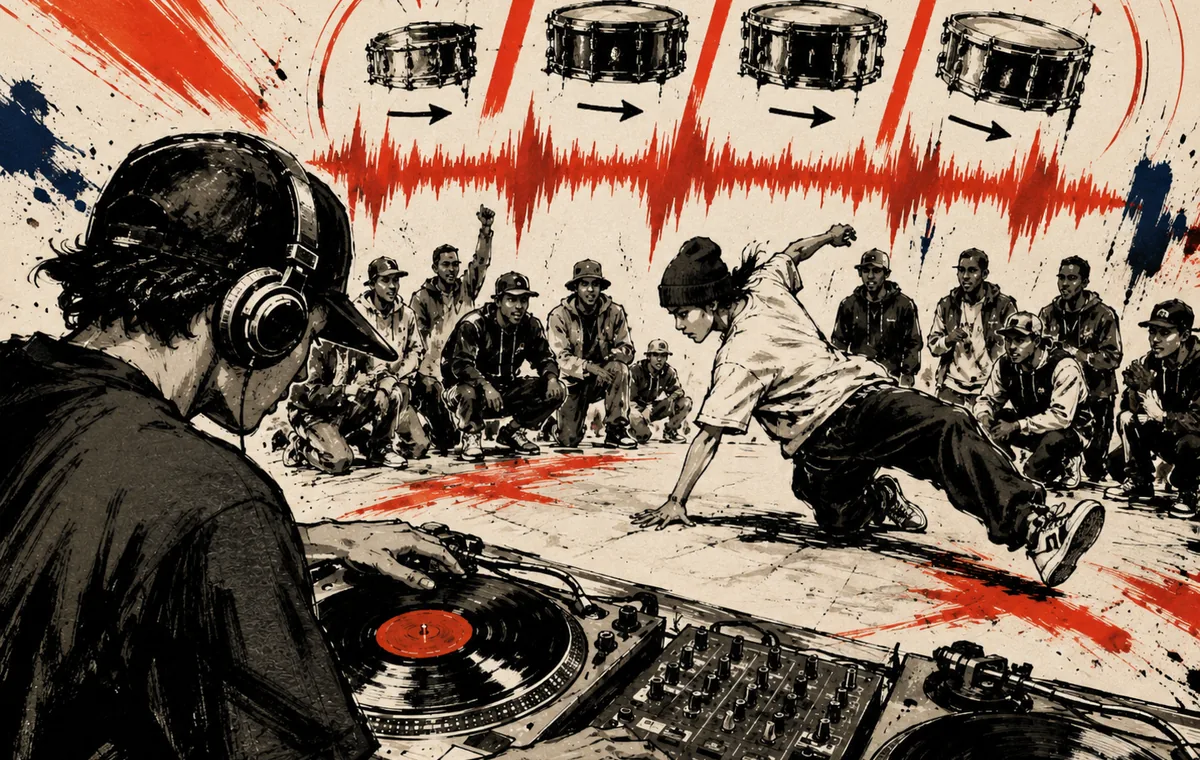
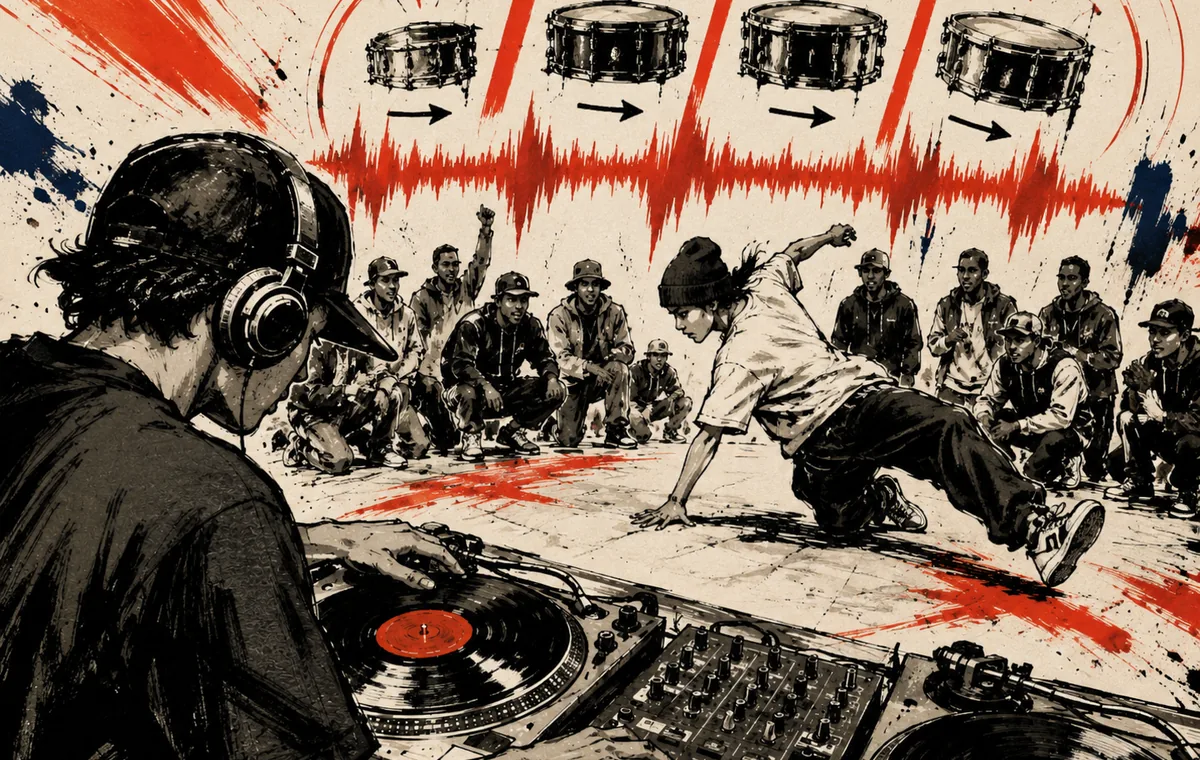
Original break music illustration

Break

A break is the part of a song where the drums, percussion or groove become the main focus. This is the moment that gave dancers space to come alive.

Read related guide →
Original breakbeat illustration

Breakbeat

A breakbeat is a rhythmic section of a record, often built around drums or percussion, that dancers can respond to.

Read related guide →
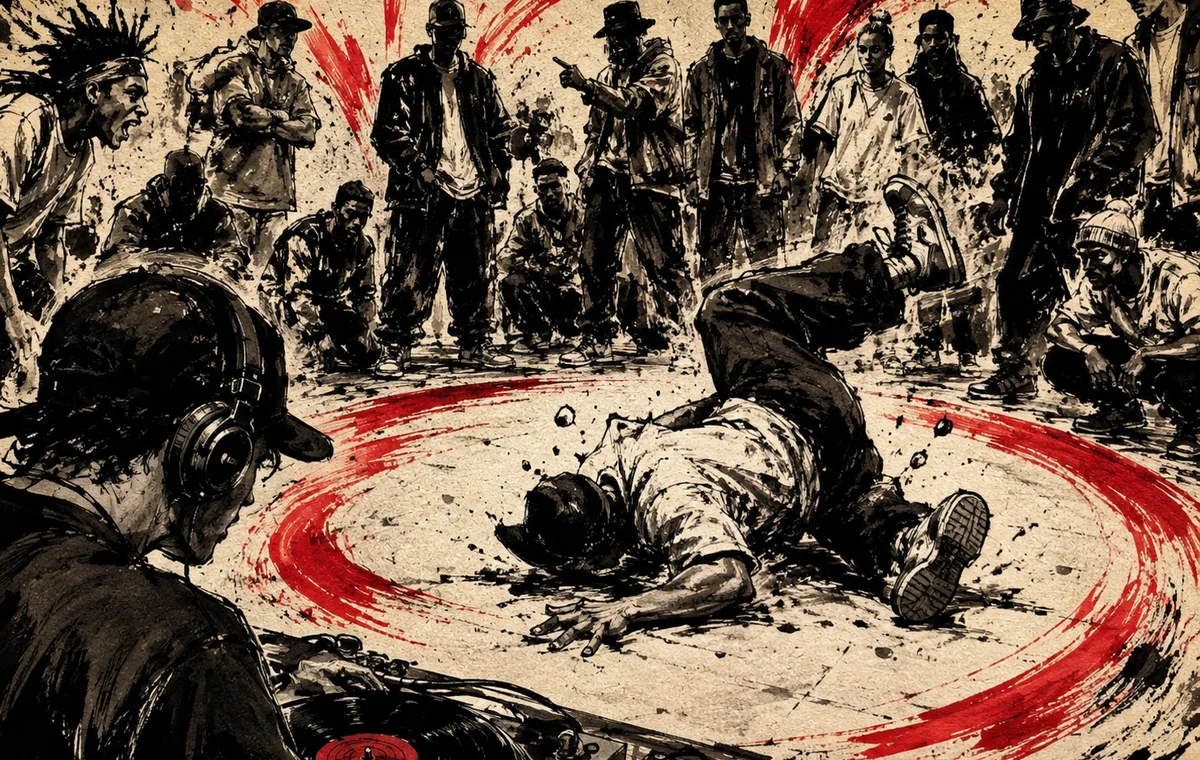
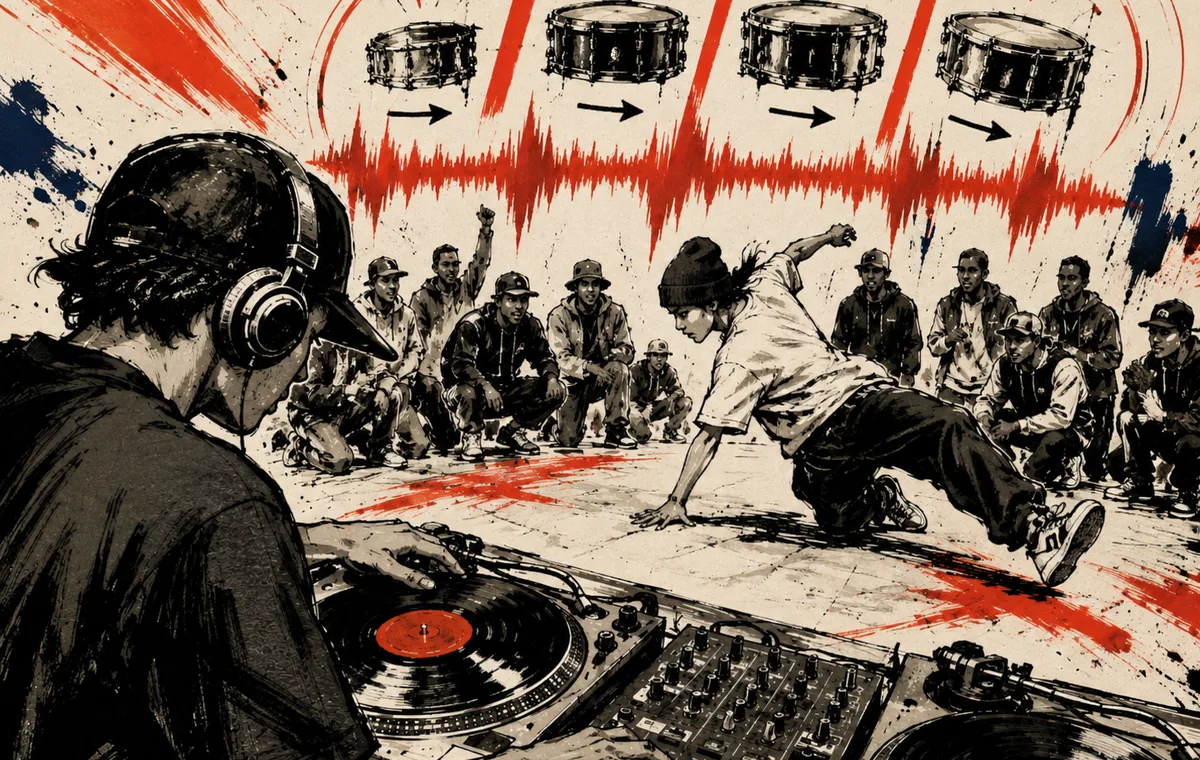
Original DJ illustration

DJ

The DJ selects and controls the music. In breaking, the DJ feeds the floor by playing breaks, reading the energy and creating space for dancers.

Read related guide →
Original musicality illustration

Musicality

Musicality is how a dancer connects movement to the music. It includes timing, rhythm, accents, pauses, drums, bass lines and energy changes.

Read related guide →
Original hit the beat illustration

Hit the beat

To hit the beat means to place a move, freeze, gesture or change exactly on a musical accent or rhythm point.

Read related guide →

Culture terms

Culture terms illustration
Original foundation footwork illustration

Foundation

Foundation is the basic movement, rhythm, knowledge and structure that supports a dancer’s growth. Strong foundation makes advanced movement stronger.

Read related guide →
Original originality illustration

Originality

Originality is the ability to bring your own ideas, style and choices into the dance instead of only copying others.

Read related guide →
Original hip-hop style clothing illustration

Style

Style is how a dancer expresses movement. It includes rhythm, posture, character, confidence, gestures, details and personal flavor.

Read related guide →
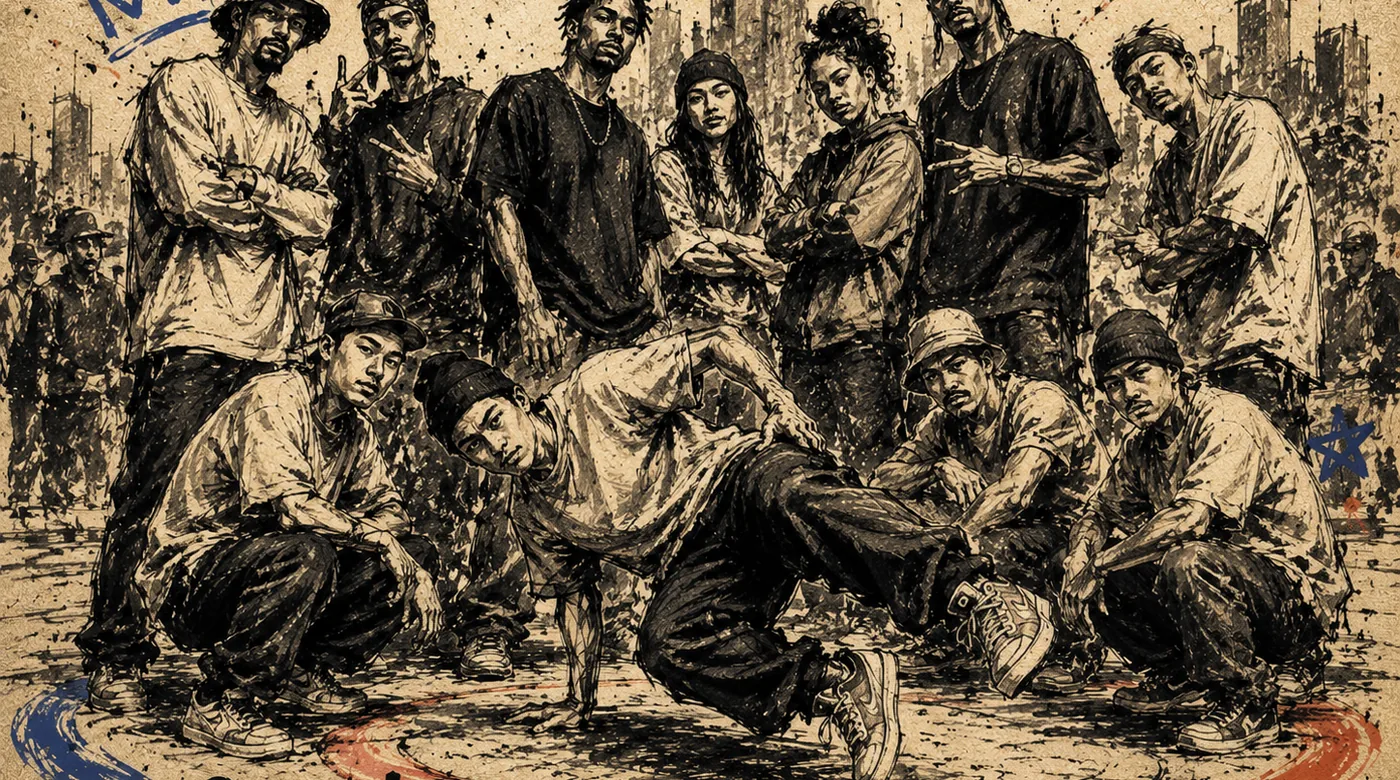
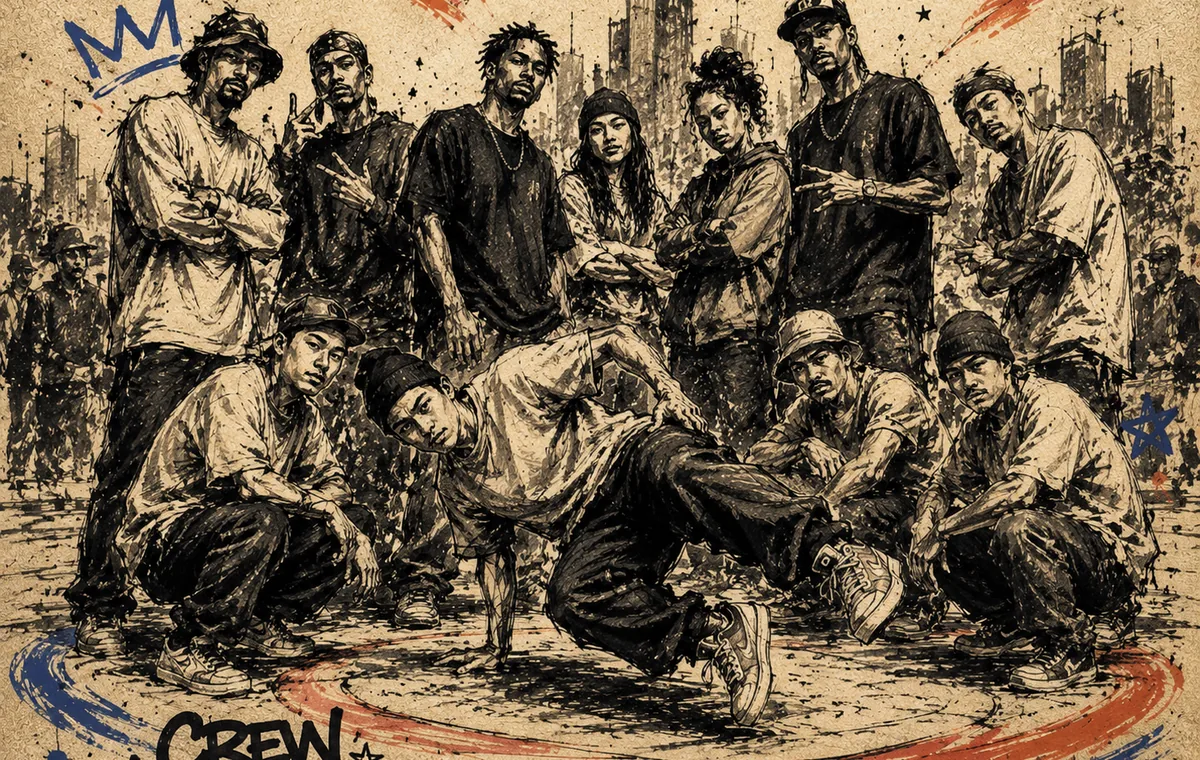
Original breaking crew team portrait illustration

Crew

A crew is a group of b-boys and b-girls who train, battle and represent together under a shared name and identity.

Read related guide →
Original lineage illustration

Lineage

Lineage means the connection between generations, teachers, crews, mentors and dancers who pass knowledge forward.

Read related guide →
Original oral history mentor illustration

Oral history

Oral history is the passing of stories from generation to generation through people who were there. Many legendary battles, cyphers and moments were never filmed or documented, so stories carried by the scene matter.

Read related guide →
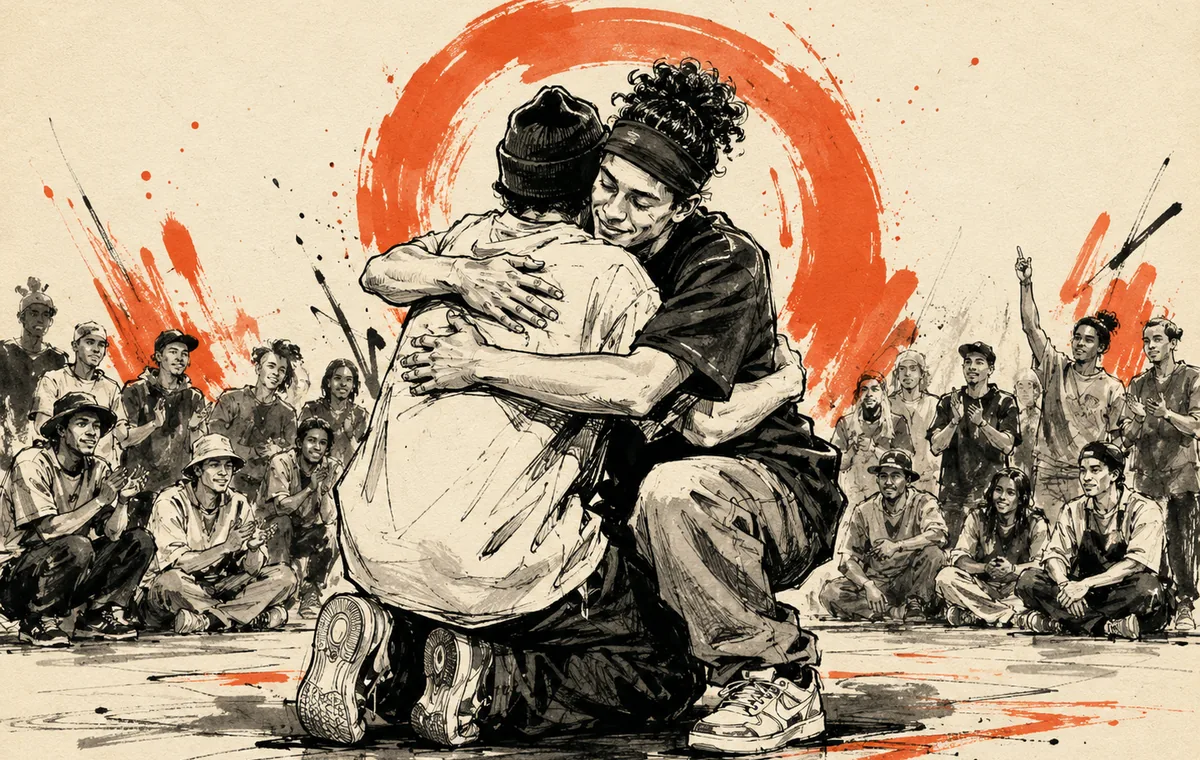
Original respect illustration with breakers embracing

Respect

Respect means honoring the music, the cypher, the dancers, the elders, the crew, the history and the space where the culture lives.

Read related guide →

Practice and performance terms

Practice and performance terms illustration
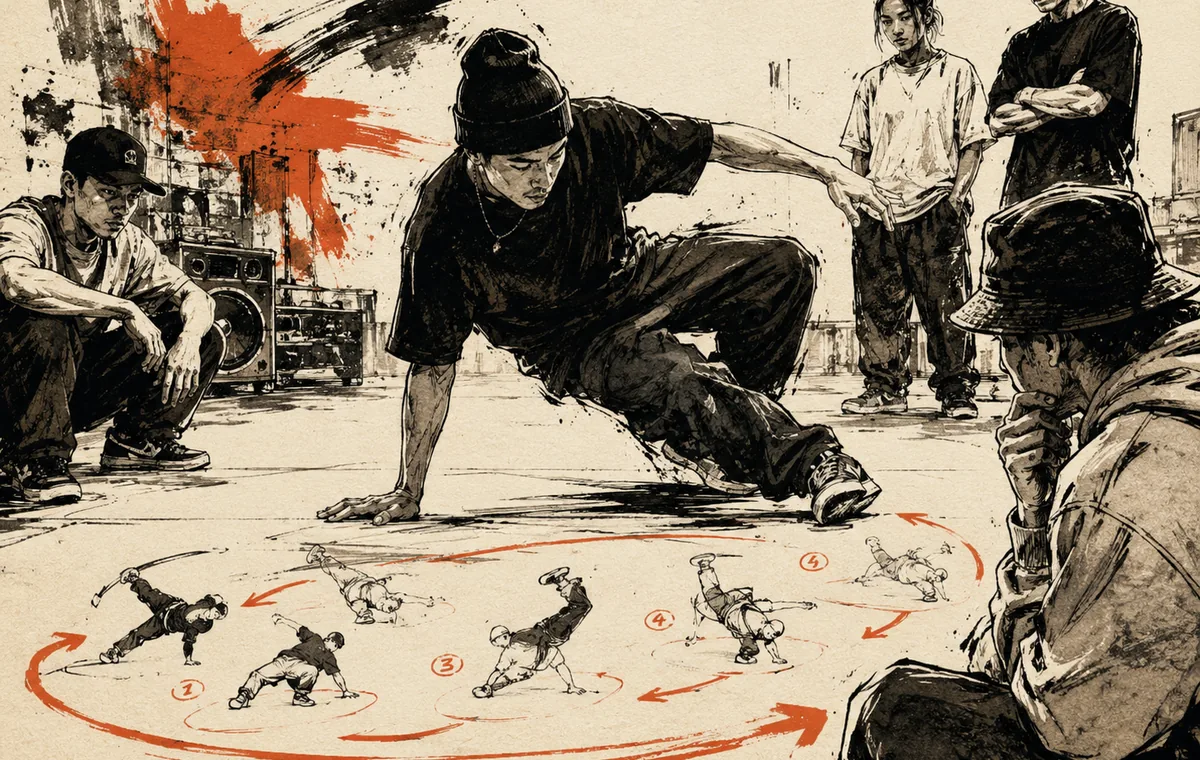
Original set practice sequence illustration

Set

A set is a prepared or semi-prepared sequence of movements that a dancer may use in practice, performance or battle.

Read related guide →
Original routine illustration

Routine

A routine is a planned sequence, often used by crews, performances or shows. In battles, routines can be used strategically, especially in crew battles.

Read related guide →
Original freestyle illustration

Freestyle

Freestyle means dancing in the moment, responding to music, energy, space and feeling without following a fully fixed routine.

Read related guide →
Original cypher awareness illustration

Cypher awareness

Cypher awareness is knowing how to enter, exit, respect space, read the energy and avoid crashing into other dancers.

Read related guide →
Original floor control illustration

Floor control

Floor control means moving safely and confidently on the floor with balance, direction and body awareness.

Read related guide →

Language keeps the culture connected

Knowing the terms helps dancers, students, parents, writers and fans understand breaking with more respect. The words connect movement to music, battle language to cypher culture and today’s scene to the generations before it.

Breaking Glossary FAQ

Common questions about breaking terms, b-boy/b-girl language, cyphers, biting, burns, musicality and foundation.

What does b-boy mean?

A b-boy is the male reference to someone who practices breaking and carries the culture through rhythm, style, foundation and cypher presence.

What does b-girl mean?

A b-girl is the female reference to someone who practices breaking and represents through movement, musicality, identity and style.

What is a cypher in breaking?

A cypher is a circle where dancers enter one by one to dance, exchange energy and represent themselves.

What is biting in breaking?

Biting means copying another dancer’s move, style, idea or signature without making it your own.

What is a burn in breaking?

A burn is a mocking or teasing battle gesture used to pressure an opponent.

What is musicality in breaking?

Musicality is how a dancer connects movement to the beat, drums, accents, pauses and energy changes in the music.

What is foundation in breaking?

Foundation is the basic movement, rhythm, knowledge and control that supports a dancer’s growth.

What is the difference between breaking and breakdance?

Breaking is the culture term used inside the scene. Breakdance is a mainstream word many people outside the culture know.