breaking, breakdance, b-boy और b-girl culture, moves, battles, cyphers, music, gestures, history और beginners learning पर 200+ Hindi Q&A खोजें.

breaking, breakdance, b-boy और b-girl culture, moves, battles, cyphers, music, gestures, history और beginners learning पर 200+ Hindi Q&A खोजें.

ब्रेकिंग एनसाइक्लोपीडिया

breaking, breakdance, b-boy और b-girl culture, moves, battles, cyphers, music, gestures, history और beginners learning पर 200+ Hindi Q&A खोजें.

211सवाल17breaking, breakdance, b-boy और b-girl culture, moves, battles, cyphers, music, gestures, history और beginners learning पर 200+ Hindi Q&A खोजें.
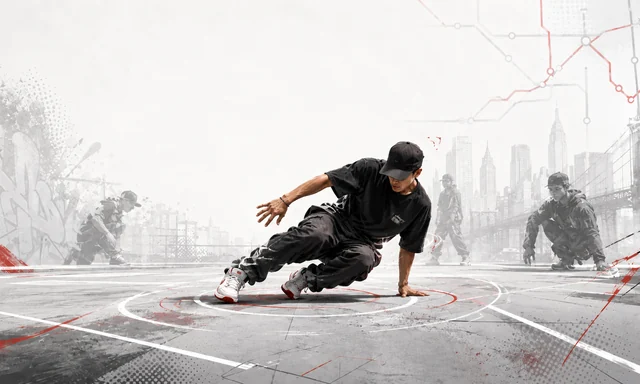
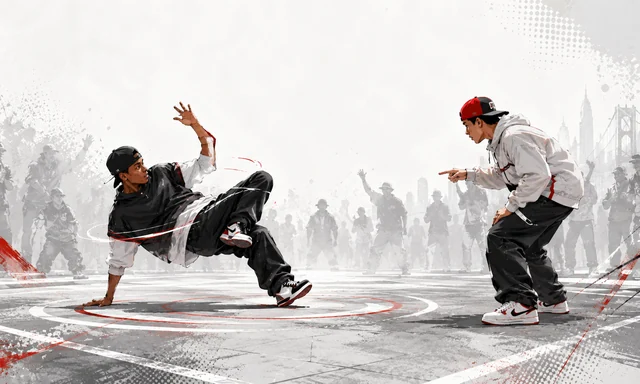
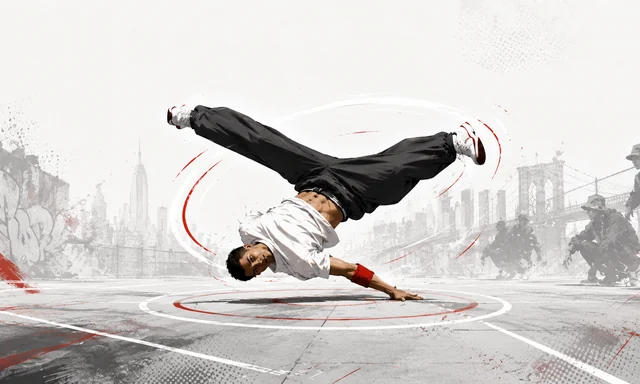
Breaker doing a headspin in a New York inspired sports layout

ब्रेकिंग एनसाइक्लोपीडिया

एनसाइक्लोपीडिया खोजें

Type a term like headspin, 6-step, cypher, burn, b-boy or kids.

headspin, 6-step, cypher, burn, b-boy या kids जैसे terms type करें.

topic के अनुसार देखें

हर category सही Breaking guide से जुड़ती है, ताकि Questions page StreetDance.com Breaking section को support करे.

Original breaking breaking basics for StreetDance.com
Start here

Breaking Basics

Core answers about breaking, breakdance, b-boys, b-girls, breakbeats and hip-hop culture.

20 questions
Original breaking foundation for StreetDance.com
Culture first

Foundation

Rhythm, balance, body control, movement vocabulary and the building blocks behind the dance.

16 questions
Original breaking toprock for StreetDance.com
Standing style

Toprock

Upright movement, rhythm, posture, musicality and how breakers enter a round.

9 questions
Original breaking go-downs & entries for StreetDance.com
Enter the floor

Go-downs & Entries

Drops, entries, sweeps and transitions from standing to floorwork.

9 questions
Original breaking footwork for StreetDance.com
Floor foundation

Footwork

6-step, 2-step, CCs, Zulu Spin, kick-outs, threads, hooks and floor control.

15 questions
Original breaking freezes for StreetDance.com
Control & impact

Freezes

Baby freeze, chair freeze, airchair, headstand, handstand and freeze combinations.

11 questions
Original breaking power moves for StreetDance.com
Momentum

Power Moves

Windmills, backspins, headspins, flares, halos, 1990s, 2000s, crickets and jackhammers.

15 questions
Original breaking style & originality for StreetDance.com
Personal voice

Style & Originality

How breakers build individuality, creativity, character and a signature movement identity.

12 questions
Original breaking musicality for StreetDance.com
Beat connection

Musicality

Timing, accents, beat kills, pauses, rhythm changes and moving with the music.

10 questions
Original breaking battles for StreetDance.com
Competition

Battles

Rounds, sets, crew battles, judging, strategy, crowd response and Seven to Smoke.

17 questions
Original breaking gestures for StreetDance.com
Battle language

Gestures

Call-outs, burns, mocking, repeat gestures, pointing and non-verbal battle communication.

17 questions
Original breaking cyphers for StreetDance.com
Circle energy

Cyphers

Cypher awareness, floor control, etiquette and how dancers enter and leave the circle.

10 questions
Original breaking crews & community for StreetDance.com
Lineage

Crews & Community

Crews, mentorship, oral history, respect, representation and each one teach one.

14 questions
Original breaking events for StreetDance.com
Jams & comps

Events

Jams, sessions, workshops, showcases, qualifiers, prelims, finals and battle brackets.

9 questions
Original breaking learning breaking for StreetDance.com
Beginner path

Learning Breaking

Practice tips, shoes, safety, injury prevention, beginner mistakes and learning at home.

10 questions
Original breaking kids & parents for StreetDance.com
Safe learning

Kids & Parents

Child-friendly breaking, parent support, safe progression, rhythm games and confidence.

6 questions
Original breaking culture & future for StreetDance.com
Archive

Culture & Future

Preservation, documentation, cultural protection, life skills and the future of breaking.

11 questions

Start here

Breaking Basics

Core answers about breaking, breakdance, b-boys, b-girls, breakbeats and hip-hop culture.

Related guide: Breaking Hub →

Breaking hip-hop culture के अंदर विकसित हुआ एक dance और cultural art form है। इसमें rhythm, musicality, toprock, go-downs, footwork, freezes, power moves, transitions, style और self-expression शामिल होते हैं.

Breaking cypher, battles, jams, sessions और showcases में किया जाता है। यह breakbeats, originality, foundation, timing, control, creativity और respect पर आधारित है.

Breakdance वह popular नाम है जिसे बहुत से लोग breaking के लिए इस्तेमाल करते हैं। यह शब्द खासकर 1970s के आखिर और 1980s में media, television, films और event promotion के ज़रिए फैल गया.

Culture के अंदर कई dancers “breaking” शब्द को ज़्यादा पसंद करते हैं, क्योंकि यह original scene language, music और b-boy/b-girl की अपनी भाषा से ज़्यादा जुड़ा हुआ है। फिर भी “breakdance” आज भी public, promoters, media और scene के बाहर लोगों द्वारा इस्तेमाल होता है.

आम तौर पर breaking और breakdance एक ही dance को कहते हैं, लेकिन दोनों शब्दों की cultural feeling अलग हो सकती है। “Breaking” culture के अंदर ज़्यादा इस्तेमाल होता है, जबकि “breakdance” media और mainstream use से popular हुआ.

कुछ scene context में “breakdancer” शब्द कभी-कभी ऐसे व्यक्ति के लिए इस्तेमाल होता है जो mainly tricks या power moves पर focus करता है। वहीं b-boy, b-girl या breaker ज़्यादा broader रूप से music, foundation, culture और battle tradition से जुड़ा होता है.

कई dancers “breaking” शब्द इस्तेमाल करते हैं क्योंकि यह scene के अंदर culturally ज़्यादा accurate term है। यह dance की roots, music, DJs, cypher और b-boys, b-girls, breakers की भाषा को respect करता है.

“Breakdancing” public में जाना-पहचाना शब्द है, खासकर तब जब यह dance पहली बार mainstream media में बड़ा हुआ। “B-boying” भी culture के अंदर इस्तेमाल होने वाला शब्द है, जो original hip-hop context को ज़्यादा highlight करता है.

Breaker वह व्यक्ति है जो breaking करता है। यह gender-neutral term है और b-boys, b-girls तथा cyphers, battles, jams, performances, workshops और practice sessions में शामिल dancers को शामिल कर सकता है.

B-boy breaking culture का male breaker है। वह cypher या battle में rhythm, foundation, style, character, musicality और presence दिखाता है.

B-girl breaking culture की female breaker है। वह cypher या battle में rhythm, foundation, style, character, musicality और presence दिखाती है.

Breakbeat record का वह rhythm section है जहाँ drums, percussion या groove ज़्यादा prominent होता है। Breaking dancers के music के break पर react करने से विकसित हुआ.

Breaking नाम record के break section पर dance करने से जुड़ा है। DJs इन rhythm sections को लंबा करते थे ताकि dancers ज़्यादा देर floor में जाकर express और battle कर सकें.

Breaking से जुड़ा एक और शब्द b-boying है, जिसे culture के अंदर कई लोग इस्तेमाल करते हैं.

हाँ। Breaking hip-hop culture की सबसे प्रसिद्ध dance forms में से एक है। इसे अक्सर DJing, MCing और graffiti के साथ hip-hop के core elements में गिना जाता है.

Breaking तीनों हो सकता है। लेकिन culture के अंदर यह पहले dance और cultural art form है। Battles और competitions इसमें sport element जोड़ते हैं, जबकि style, character और self-expression इसे art बनाते हैं.

Breaking के main elements हैं toprock, go-downs या entries, footwork, freezes, power moves, transitions, musicality, style, originality और battle awareness.

Breaking special है क्योंकि यह dance, music, creativity, competition और self-expression को जोड़ता है। इसमें streetdance, martial arts, gymnastics, acrobatics और social dance से प्रभावित movement हो सकते हैं, लेकिन इसकी अपनी culture, vocabulary, rhythm और values हैं.

Breaking सिर्फ difficult moves नहीं है। ज़रूरी यह है कि dancer music, style, foundation, originality और presence से अपनी पहचान कैसे दिखाता है.

Breaking street और community dance culture के अंदर शुरू हुआ और DJs, breakbeats, block parties, cyphers तथा young people की creativity से जुड़ा था.

Breaking 1970s New York City के Bronx में hip-hop culture के बनने के समय strongly विकसित हुआ। Kool Herc जैसे DJs record के break section को लंबा करते थे, ताकि dancers ज़्यादा देर move, battle और express कर सकें। B-boys और b-girls उन breaks पर dance करते थे, और यही dance breaking के नाम से जाना गया.

Breaking सबसे strongly 1970s New York City, खासकर Bronx से जुड़ा है, जहाँ hip-hop culture बढ़ रहा था.

Breaking किसी एक व्यक्ति ने नहीं बनाया। बहुत सारे dancers, DJs, crews, communities और local scenes ने समय के साथ मिलकर इस culture को बनाया.

Breaking popular हुआ क्योंकि यह exciting, creative, competitive और accessible था। Dancers को शुरुआत के लिए expensive equipment की ज़रूरत नहीं थी। DJ, music, floor और community से cyphers, battles और jams बन सकते थे.

Breaking crews, films, television, international events, workshops, tours और culture को दुनिया भर में बाँटने वाले dancers की energy से फैलता गया.

हाँ। कोई भी breaking शुरू कर सकता है। लेकिन patience, safe training, culture के लिए respect, music की समझ और संभव हो तो experienced dancer की guidance ज़रूरी है.

Breaking challenging हो सकता है क्योंकि इसमें rhythm, coordination, strength, flexibility, creativity और body control चाहिए। Beginners को history, music, foundation steps और safe movement से शुरू करना चाहिए, advanced moves पर बहुत जल्दी नहीं जाना चाहिए.

Active practitioner, mentor या experienced dancer से सीखना beginners को सही और safe तरीके से grow करने में मदद करता है.

Breaking सीखने का समय age, health, physical background, training regularity, coaching और personal goals पर निर्भर करता है। Basic movements कुछ महीनों में सीखे जा सकते हैं, लेकिन style, musicality, confidence और battle experience develop करने में सालों की practice लगती है.

Culture first

Foundation

Rhythm, balance, body control, movement vocabulary and the building blocks behind the dance.

Related guide: Beginners →

Foundation वह basic movement, rhythm, control, technique और cultural knowledge है जो breaker की growth को support करता है। यह advanced movement को सिर्फ technique नहीं रहने देता, बल्कि dance से जोड़कर meaning और structure देता है.

Foundation history, cultural values, rhythm, balance, coordination, control, movement vocabulary और basic principles से अपना style develop करने का तरीका सिखाता है.

Foundation important है क्योंकि यह breaking का ABC है। यह dancer को dance, music और culture की basics समझने के लिए building blocks देता है.

Foundation के बिना advanced movements rhythm, style और breaking के meaning से disconnected दिख सकते हैं.

Movement vocabulary steps, patterns, freezes, transitions, gestures और concepts का collection है जिसे breaker breaking में ideas express करने के लिए इस्तेमाल करता है.

Flow यह बताता है कि dancer movements और transitions को कितनी natural और smooth तरीके से जोड़ता है। अच्छा flow round को एक idea से दूसरे idea तक natural और purposeful बनाता है.

Flow connection, timing, transition control और levels, directions तथा movement categories के बीच natural तरीके से move करना सिखाता है.

Rhythm वह timing, pulse और pattern है जो movement को music से जोड़ता है। Breaking में rhythm toprock, footwork, freezes, transitions और battle energy को guide करता है.

Rhythm dancer को music सुनना, timing पर move करना, speed control करना और body को music से connect करना सिखाता है.

Timing situation पर react करने और सही moment पकड़ने की ability है, ताकि music accent, move, freeze, gesture या transition natural लगे.

Timing patience, listening, musical awareness और movement या stop के सही moment से impact बनाना सिखाता है.

Coordination body के कई parts को एक साथ और control के साथ use करने की ability है.

Coordination body awareness, balance, movement control और steps, transitions, freezes को connect करने की ability सिखाता है.

Balance movement, level changes या shape के दौरान body weight और body position को control करने की ability है.

Balance stability, confidence, control और freezes, footwork, transitions में safe और stable तरीके से move करना सिखाता है.

Body control movement, weight, direction, speed और stopping points को consciously control करने की ability है.

Body control precision, clean execution और difficult movements को intentional और clear दिखाना सिखाता है.

Standing style

Toprock

Upright movement, rhythm, posture, musicality and how breakers enter a round.

Related guide: Moves →

Toprock breaking का standing section है। यह standing position में किया जाता है और rhythm, posture, style, confidence तथा music से connection दिखाता है.

Toprock rhythm, timing, posture, musicality, confidence, direction changes और floor में जाने से पहले dance शुरू करना सिखाता है.

Toprock important है क्योंकि यह dancer का style, musicality और presence पहले दिखाता है। Toprock round की mood और direction set करता है, इससे पहले कि dancer footwork, freezes या power moves में जाए.

Common toprock steps में Indian step, cross step, salsa step, kick step और style express करने के लिए use होने वाले कई standing rhythmic movements शामिल हैं.

Rocking एक older dance form और battle expression है जो rhythm, style, gestures और musical interpretation से जुड़ा है। इसने breaking की कुछ standing language और attitude को influence किया.

Uprock एक competitive dance style है जो steps, gestures और battle communication का use करता है। यह breaking से related है लेकिन इसकी अपनी vocabulary, history और cultural identity है.

Toprock breaking का standing section है। Uprock अलग dance और battle form है। दोनों energy और gesture share कर सकते हैं, लेकिन उनकी history और vocabulary अलग है.

Toprock posture, rhythm, attitude, direction, arm movement, foot placement, musical accents और personal character से style दिखाता है.

Toprock standing position में drums, accents, pauses, melodies और music changes को सुनकर और respond करके musicality दिखाता है.

Enter the floor

Go-downs & Entries

Drops, entries, sweeps and transitions from standing to floorwork.

Related guide: Moves →

Go-down standing movement से floor तक जाने वाला transition है। यह toprock को footwork, freezes या power moves से जोड़ता है.

Go-down transition control, balance, timing, body placement और standing से floor तक natural तरीके से move करना सिखाता है.

Entry breaker का dance floor में enter करने या round शुरू करने का तरीका है। यह simple, stylish, explosive, musical या strategic हो सकता है.

Entry timing, confidence, level change, flow और round को intention के साथ शुरू करना सिखाता है.

Entries important हैं क्योंकि वे standing movement और floor movement को connect करती हैं। Clean entry पूरे round को complete और controlled दिखाती है.

Drop वह movement है जिसमें dancer standing से floor में जल्दी उतरता है। Control, timing और style के आधार पर यह simple या dramatic दिख सकता है.

Knee drop एक entry है जिसमें dancer एक या दोनों knees की तरफ उतरता है और impact तथा rhythm को control करता है.

Sweep entry में leg की sweeping motion से standing या crouching position से floorwork में transition किया जाता है.

Spin entry floor में जाने का तरीका है जिसमें rotation use होता है और यह footwork, backspin या दूसरे rotating movements से connect हो सकता है.

Floor foundation

Footwork

6-step, 2-step, CCs, Zulu Spin, kick-outs, threads, hooks and floor control.

Related guide: Moves →

Footwork breaking की core foundations में से एक है। इसमें hands और feet से floor पर move करते हुए rhythm, balance, control, direction और style maintain किया जाता है.

Footwork coordination, timing, agility, balance, floor awareness, patterns और movement control सिखाता है। यह more complex movement के लिए foundation बनाता है.

Footwork important है क्योंकि यह breaking की representative foundation है। यह dancer का rhythm, control, flow, originality और floor connection दिखाता है.

6-step एक foundational footwork pattern है जिसमें breaker hands और feet से circular तरीके से move करता है। कई beginners इसे floorwork structure समझने के लिए सीखते हैं.

2-step दो main steps से बना basic footwork pattern है। यह direction change, speed change और simple transition practice करने में मदद करता है.

3-step तीन main steps से बना footwork pattern है। यह rhythm, direction और body placement practice करने के लिए commonly use होता है.

CC एक foundational footwork move है जिसमें leg kick और hip movement use होते हैं। यह rhythm, shape, style और floor control दिखाने के लिए अच्छा है.

Zulu Spin floor पर rotation और footwork को connect करने वाला movement है। यह breaking foundation में direction, spin control और flow सीखने में मदद करता है.

Coffee grinder एक floor move है जिसमें एक leg circular sweep करता है और body उसे पार या avoid करता है। यह rhythm और leg control practice करने वाला basic movement है.

Kick-out एक footwork movement है जिसमें leg को बाहर kick या extend किया जाता है। इसे shape, accent, speed change और transition के लिए use किया जा सकता है.

Thread एक movement concept है जिसमें body का कोई part arms या legs के बीच से गुजरता हुआ दिखता है। यह footwork और freezes में original shapes बना सकता है.

Hook एक footwork idea है जिसमें leg या foot को hook या wrap करके movement, transition या shape बनाया जाता है। यह control और direction change में use होता है.

Floorwork सभी movements को कहता है जिनमें dancer floor पर hands, feet, hips, knees, shoulders आदि body parts का use करता है.

Advanced footwork basic footwork पर build करता है लेकिन own originality, input, rhythm, direction changes, speed changes, threads, levels और complex transitions जोड़ता है.

यह सिर्फ मुश्किल steps नहीं है, बल्कि यह है कि breaker foundation का use करके अपनी style और movement language कैसे develop करता है.

Original footwork तब बनता है जब rhythm, direction, timing, shape, transition, level change और personal character साथ दिखते हैं। सिर्फ steps याद करने से ज़्यादा important है उन्हें अपने तरीके से connect करना.

Control & impact

Freezes

Baby freeze, chair freeze, airchair, headstand, handstand and freeze combinations.

Related guide: Moves →

Freeze वह moment है जब dancer किसी specific shape या position में movement रोकता है। इससे music accent, control, strength और impact दिख सकता है.

Freeze balance, strength, timing, body control, confidence और music के moment को accurately पकड़ना सिखाता है.

Freezes round में punctuation और impact जोड़ते हैं। जब stopping moment music, battle response और style से connect होता है, तो strong impression बनता है.

Baby freeze एक foundational freeze है जिसे beginners अक्सर सीखते हैं। इसमें hands, elbows, head या shoulder support से body shape stable hold किया जाता है.

Chair freeze एक freeze है जिसमें body chair जैसी tilted shape में रुकती है। Shoulder, arm और core control important हैं.

Airchair एक advanced freeze है जिसमें one-arm support और body balance use होता है। Strength, flexibility और control चाहिए.

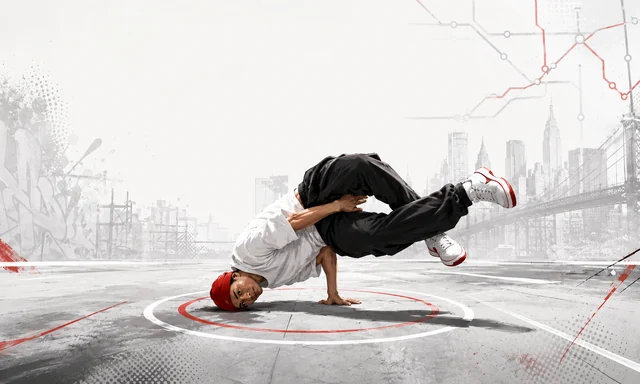
Headstand freeze में head और hands या body alignment से upside-down position hold की जाती है। Safe technique और neck awareness important हैं.

Handstand freeze hands पर body hold करने वाला freeze है। यह balance, shoulder strength, body line और control दिखाता है.

Hollowback freeze एक advanced freeze है जिसमें back arch और shoulder flexibility highlight होते हैं। Safe training और enough control चाहिए.

Signature freeze वह freeze है जिसके लिए कोई particular breaker अपने style, shape या timing से known हो जाता है। यह individuality और identity दिखा सकता है.

Freeze combination कई freezes को लगातार connect करने का तरीका है। इसमें strength के साथ transition, timing, musicality और clean control important हैं.

Momentum

Power Moves

Windmills, backspins, headspins, flares, halos, 1990s, 2000s, crickets and jackhammers.

Related guide: Moves →

Power move dynamic movement category है जिसमें spin, rotation, momentum, strength, speed और flexibility use होते हैं। Windmills, flares, headspins जैसे moves इसमें आते हैं.

Power move momentum, timing, strength, endurance, discipline और control सिखाता है.

Power moves breaking का हिस्सा हैं और strength, body control, discipline तथा dynamic energy दिखाते हैं। जब वे music, foundation और clean transitions से connect होते हैं तो round में difficulty और excitement जोड़ते हैं.

Windmill एक representative power move है जिसमें shoulders, back और hips का use करके legs को wide रखते हुए continuous rotation किया जाता है। Momentum, timing और body shape important हैं.

Backspin एक foundational spin है जिसमें dancer back पर rotate करता है.

Headspin एक power move है जिसमें dancer head पर rotate करता है.

Flare एक power move है जिसमें legs wide रहते हैं और hands से body support करते हुए circular movement किया जाता है। यह gymnastics के pommel horse movement से भी related है.

Swipe एक dynamic power movement है जिसमें hands और feet से body rotate की जाती है। Timing, shoulder strength और hip lift important हैं.

Halo एक advanced power move है जिसमें body head, shoulders और upper back के आसपास circular rotation बनाता है। Control और safe technique चाहिए.

Airtrack या airflare एक advanced power move है जिसमें hands alternately use होते हैं और body air में rotate करता है। Strong strength, timing और confidence चाहिए.

1990 power move है जिसमें one-hand handstand position में body rotate करता है। Balance, shoulder strength और spin control important हैं.

2000 power move है जिसमें दोनों hands या handstand position के आधार पर body vertical spin करता है। Strong core, balance और wrist control चाहिए.

Jackhammer एक advanced power move है जिसमें one-hand या arm support से body bounce या rotate करता है। Strength, rhythm और precise weight shift important हैं.

Turtle movement या freeze base है जिसमें elbows और hands support की तरह body weight control करते हैं। यह handglide और jackhammer जैसे moves की foundation हो सकता है.

Clean power moves control, strong shape, smooth rotation, safe landing, musical timing और दूसरे movement के साथ natural transition से बनते हैं.

Personal voice

Style & Originality

How breakers build individuality, creativity, character and a signature movement identity.

Related guide: B-Boy & B-Girl →

Style वह तरीका है जिससे breaker movement को अपनी तरह express करता है। वही step posture, rhythm, attitude और details के कारण पूरी तरह अलग दिख सकता है.

Style individuality, choice, confidence, musical interpretation और foundation को अपनी language में बदलना सिखाता है.

Style breaker को दूसरों से अलग करता है। Breaking में सिर्फ क्या करते हैं यह नहीं, बल्कि कैसे express करते हैं यह important है.

Originality दूसरों को सीधे copy न करके अपनी idea, rhythm, transition, character और shape develop करने की ability है.

Originality creativity, problem solving, self-trust और foundation के आधार पर नई expression बनाना सिखाती है.

Creativity movement, music, space और battle response को नए तरीके से connect करने की ability है। Breaking में creativity style और originality का important part है.

Creativity exploration, risk-taking, adaptability और अपनी movement idea बनाना सिखाती है.

Character dancer की personality, attitude, mood और presence है जो movement में दिखती है.

Individuality breaker का अपनी style, choices, rhythm, ideas और identity के साथ dance करना है.

Self-expression dancer का movement के माध्यम से अपनी energy, story, emotion, attitude और identity दिखाना है.

Signature move वह movement, freeze या transition है जिसके लिए breaker known होता है.

Signature style वह overall movement identity है जिससे specific dancer पहचाना जाता है। Rhythm, shape, transitions, attitude और musical choices मिलकर इसे बनाते हैं.

Beat connection

Musicality

Timing, accents, beat kills, pauses, rhythm changes and moving with the music.

Related guide: Music →

Musicality dancer की music सुनकर उसे movement से interpret करने की ability है। इसमें drums, breaks, accents, pauses, melody और energy change पर reaction शामिल है.

Musicality listening, timing, patience, rhythm control और movement को music से connect करना सिखाती है.

Musicality होने पर movement सिर्फ sequence नहीं लगता, बल्कि music से conversation जैसा लगता है। Breaking में beat और groove समझना important है.

Hit the beat का मतलब music के specific beat, drum, accent या break पर movement, freeze या gesture को सही moment में रखना है.

Marker वह movement या gesture है जिससे dancer music, space या opponent के किसी specific moment को mark करता है। Accent, pause, point और freeze marker की तरह use हो सकते हैं.

Beat kill वह moment है जब dancer strong musical accent को accurately पकड़कर बड़ा impact बनाता है। इसे freeze, drop, spin या gesture से express किया जा सकता है.

Pause movement के बीच intentionally रुकने का moment है। अच्छा timing और control होने पर pause musicality और tension बनाता है.

Accent music में ज़्यादा strong सुनाई देने वाला beat, sound या change है। Breaker movement, freeze या gesture से accent express कर सकता है.

Rhythm change dancer का speed, timing, pattern या energy बदलना है। यह music change पर reaction या round में surprise add कर सकता है.

Dancers beat सुनकर, accents पकड़कर, pauses use करके, speed बदलकर और freezes तथा gestures को music moments पर रखकर musicality दिखाते हैं.

Competition

Battles

Rounds, sets, crew battles, judging, strategy, crowd response and Seven to Smoke.

Related guide: Battles →

Battle एक competitive exchange है जिसमें solo dancers या crews rounds में बारी-बारी dance करते हैं.

Battle confidence, strategy, focus, pressure control, improvisation, respect और opponent को read करना सिखाता है.

Breakers skill, style, originality, musicality और courage test करने, एक-दूसरे को challenge करने और culture में respect पाने के लिए battle करते हैं.

Battles आमतौर पर musicality, foundation, originality, execution, difficulty, style, battle response और overall performance से judge होते हैं। Event के अनुसार criteria अलग हो सकते हैं.

Round battle या cypher में dancer का floor में आकर अपना set दिखाने वाला एक turn है.

Set dancer के round के अंदर prepared या improvised movements, transitions, freezes और power moves का sequence है.

Battle strategy dancer का rounds plan करना, opponent read करना, energy manage करना और सही moment पर अपनी strengths दिखाने का तरीका है.

Crowd response audience की energy है जो movement, musical moment, battle response या dramatic action पर आती है। Cheers, noise और gestures से दिखाई देती है.

Tie breaker वह situation है जब battle result बहुत close होता है और winner तय करने के लिए extra round कराया जाता है.

Winning round strong foundation, clean execution, musicality, originality, battle response, confidence और clear ending से बनता है.

Crew battle वह battle format है जिसमें दो या अधिक crews rounds exchange करके compete करते हैं। Team strategy, order, energy और chemistry important हैं.

Crew battle teamwork, trust, strategy, leadership, support और crew identity दिखाना सिखाता है.

2 vs 2 battle दो dancers की teams के बीच competition format है। दो dancers की chemistry, response और balance important हैं.

2 vs 2 battle partner timing, communication, teamwork, spacing और एक-दूसरे की strength use करना सिखाता है.

1 vs 1 battle एक dancer का दूसरे dancer से direct competition है। Individual skill, presence और strategy बहुत clear दिखते हैं.

Seven to Smoke ऐसा format है जहाँ dancers लगातार battle करते हैं और points build करते हैं। एक dancer लंबे समय तक रहकर कई opponents से battle कर सकता है.

Seven to Smoke stamina, pressure control, adaptability, quick strategy और कई opponents को लगातार respond करना सिखाता है.

Battle language

Gestures

Call-outs, burns, mocking, repeat gestures, pointing and non-verbal battle communication.

Related guide: Gestures →

Breaking gestures battle या cypher में hands, body language, facial expression, pointing, mocking आदि से message देने वाली movement language है.

Gestures communication, timing, attitude, battle response और बिना movement के भी message देना सिखाते हैं.

Gestures battle को movement conversation बनाते हैं। वे opponent को call out कर सकते हैं, response दिखा सकते हैं, crowd से communicate कर सकते हैं और character express कर सकते हैं.

Call out gesture opponent या dancer को floor में बुलाने या challenge करने वाला gesture है। यह respectful भी हो सकता है और aggressive भी दिख सकता है.

Burn gesture यह दिखाने के लिए use होता है कि dancer ने opponent को overpower किया या वही idea ज़्यादा strong दिखाया। यह culture की battle language का part है.

Call out opponent को बुलाने या challenge करने वाला gesture है। Burn opponent के move या idea को ज़्यादा strong, easy या complex दिखाने वाला battle message है.

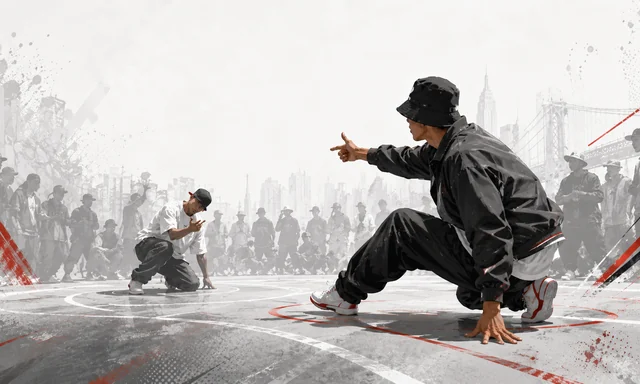
Opponent की तरफ point करना challenge, response, attention या direct battle communication का मतलब रख सकता है। Context और attitude important हैं.

Ear की तरफ point करने वाला gesture music सुनने को कह सकता है, beat miss करने का signal हो सकता है या musicality को highlight कर सकता है.

Floor की तरफ point करना opponent को dance करने या floor पर prove करने का challenge हो सकता है.

Repeating gesture यह message दे सकता है कि opponent same move या idea repeat कर रहा है। Battle में यह originality या variety पर comment हो सकता है.

Crowd interaction dancer का audience energy read करके gestures, eye contact, humor, timing या dramatic moments से crowd से connect करना है.

हाँ। Gestures खुद battle जीतने का only criteria नहीं हैं, लेकिन सही timing और context से presence, confidence और battle communication stronger दिख सकते हैं.

Gestures context पर depend करते हैं। Breaking battle में challenge और attitude होते हैं, लेकिन culture और opponent के लिए respect होना चाहिए.

अच्छा gesture clear, musical और context में fit होना चाहिए। यह dancer का character और battle response strengthen करता है। Forced या disrespectful होने पर effect कमजोर हो सकता है.

Mocking opponent का मज़ाक बनाना या opponent के movement, mistake या attitude को imitate करके battle message बनाना है। Context के आधार पर यह playful या disrespectful दिख सकता है.

Burn challenge में opponent को beat करने का मतलब हो सकता है, जैसे वही movement ज़्यादा easy, clean या complex तरीके से करना। Burn floor friction से skin injury भी हो सकता है, खासकर windmills, headspins, backspins जैसे spinning moves में.

Burn battle awareness, timing, confidence, risk और opponent के idea को respond करना सिखाता है। Physical burn safe clothing और training surface की importance भी बताता है.

Circle energy

Cyphers

Cypher awareness, floor control, etiquette and how dancers enter and leave the circle.

Related guide: Battles →

Cypher dancers का circle है जिसमें dancer बीच में जाकर dance करता है। यह breaking culture का core space है जहाँ exchange, style, identity, originality और respect important हैं.

Cypher improvisation, confidence, respect, timing, community awareness और दूसरों को respond करना सिखाता है.

Cyphers वह core space हैं जहाँ breaking share, practice, challenge और celebrate होता है। Battle न भी हो, फिर भी exchange और learning होती है.

Cypher awareness circle के space, energy, timing, people और flow को read करके कब enter करना है यह समझने की ability है.

Cypher awareness respect, patience, timing, spatial awareness और circle का flow disturb किए बिना participate करना सिखाता है.

Floor control dance space को awareness, direction, safety और intention के साथ use करने की ability है.

Floor control spatial awareness, movement planning, confidence और दूसरों से टकराए बिना move करना सिखाता है.

Circle etiquette turns, space, music, dancers और cypher energy को respect करने वाला unwritten behavior है.

Cypher में enter करते समय space read करें, सही moment wait करें और confidence तथा respect के साथ अंदर जाएँ.

Cypher से बाहर आते समय अपनी round या set complete करके बाहर निकलें और next dancer के लिए space बनाएं.

Lineage

Crews & Community

Crews, mentorship, oral history, respect, representation and each one teach one.

Related guide: B-Boy & B-Girl →

Dance crew dancers का group है जो साथ train, perform, compete या represent करता है। Breaking में crews knowledge share करते हैं, एक-दूसरे को support करते हैं और community identity बनाते हैं.

Crew teamwork, loyalty, leadership, responsibility, communication और mutual support सिखाता है। Shared experience से dancers grow करते हैं.

Crews knowledge preserve करते हैं, identity बनाते हैं, dancers को support करते हैं और local या international scenes represent करते हैं.

Mentorship वह relationship है जिसमें experienced dancer दूसरे dancer की growth को guide, teach और support करता है.

Mentorship knowledge, discipline, history, responsibility और generations के बीच respect सिखाता है.

Lineage teachers, crews, mentors, local scenes और previous generations से आने वाली influence की chain है.

Oral history stories, conversations, interviews, workshops और community memory के ज़रिए transfer होने वाला knowledge है.

Oral history बताती है कि movements, values, battles, people और ideas कहाँ से आए। Undocumented scene knowledge समझने में यह important है.

Knowledge dancers को breaking की roots, values, history, music, rules of engagement और cultural context समझने में मदद करता है.

Respect music, culture, space, opponent, elders, dancers और breaking history को recognize और honor करना है.

Respect humility, awareness, sportsmanship, gratitude और culture के प्रति responsibility सिखाता है.

Breakers practice, originality, contribution, humility, battle presence, knowledge, consistency, community support और लोगों से व्यवहार के ज़रिए respect earn करते हैं.

Representation यह दिखाना है कि आप कौन हैं, कहाँ से आते हैं, कौन सी crew या community ने आपको shape किया और आप dance में कौन सी values लाते हैं.

Each one teach one का मतलब है knowledge को एक व्यक्ति से दूसरे व्यक्ति तक share करना चाहिए। Breaking में यह mentorship, community responsibility और culture को आगे ले जाने की idea है.

Jams & comps

Events

Jams, sessions, workshops, showcases, qualifiers, prelims, finals and battle brackets.

Related guide: Battles →

Jam music, dancers और culture की community gathering है। इसमें cyphers, battles, showcases, DJs, workshops और social exchange हो सकते हैं.

Session practice gathering है जहाँ dancers train, exchange, stamina build और ideas share करते हैं.

Workshop dancer, teacher या expert द्वारा lead किया गया class या training session है। यह technique, culture, musicality या battle skills पर focus कर सकता है.

Showcase audience के लिए prepared performance है। यह improvised cypher या battle round से अलग हो सकता है.

Qualifier event या round है जिसमें dancers बड़े battle या competition में आगे जाने के लिए compete करते हैं.

Prelim preliminary round है जिसमें dancers या crews को next stage के लिए select किया जाता है.

Final competition का last battle या stage है जहाँ winner decide होता है.

Judge showcase judges का short performance है जिसमें वे अपना style, credibility और signature movements दिखाते हैं.

Battle bracket tournament structure है जो दिखाता है कि कौन किससे battle करेगा और dancers या crews next stage में कैसे आगे जाएंगे.

Beginner path

Learning Breaking

Practice tips, shoes, safety, injury prevention, beginner mistakes and learning at home.

Related guide: Beginners →

Beginners को rhythm, basic toprock, safe go-downs, simple footwork, beginner freezes और culture के respect से शुरुआत करनी चाहिए.

Music, comfortable clothes, sneakers, safe floor space और patience चाहिए। कुछ dancers protection के लिए knee pads, wrist support और beanies use करते हैं.

अच्छे breaking shoes comfortable, supportive और flexible होने चाहिए। उन्हें floor पर बहुत ज़्यादा stick नहीं करना चाहिए, लेकिन enough grip होना चाहिए.

Practice frequency level, goals, body और schedule पर depend करती है। Short लेकिन consistent sessions और rest occasional overtraining से बेहतर हैं.

Art form study करें, experienced dancers से सीखें, foundation practice करें, music सुनें, खुद को film करें, feedback लें और cyphers तथा sessions में participate करें.

Warm up करें, strength धीरे-धीरे build करें, safe surfaces use करें, correct technique सीखें, जरूरत होने पर rest करें और advanced moves को जल्दी force न करें.

हाँ। अगर enough space और safe floor है तो घर पर शुरुआत की जा सकती है। लेकिन possible हो तो experienced dancers, classes, workshops और cyphers के ज़रिए सीखना बेहतर है.

Goal पर depend करता है, लेकिन ज्यादातर beginners को पहले foundation बनानी चाहिए। Backspins या handglides जैसे basic power moves जल्दी सीखे जा सकते हैं, लेकिन advanced power धीरे-धीरे approach करना चाहिए.

Common mistakes हैं rushing, foundation skip करना, बिना समझे copy करना, music ignore करना, rhythm develop न करना और advanced moves बहुत जल्दी try करना.

हर beginner को पहले history, rhythm, basic toprock, footwork और basic freezes सीखने चाहिए.

Safe learning

Kids & Parents

Child-friendly breaking, parent support, safe progression, rhythm games and confidence.

Related guide: Kids →

Breaking children की coordination, confidence, creativity, discipline, rhythm और social interaction में मदद कर सकता है.

Breaking children को discipline, coordination, confidence, creativity, teamwork, respect, perseverance और self-expression सिखा सकता है.

Warm-up, age-appropriate movement, safe surfaces और progressive teaching के साथ breaking kids के लिए safe हो सकता है। Advanced tricks बहुत जल्दी force नहीं करने चाहिए.

Children छोटी उम्र से rhythm games, basic steps और safe movement से शुरू कर सकते हैं। Difficult movement body readiness और maturity के अनुसार धीरे-धीरे introduce होना चाहिए.

Parents को समझना चाहिए कि breaking सिर्फ tricks नहीं, बल्कि culture है। अच्छी teaching में safety, music, respect, foundation और creativity शामिल होते हैं.

Parents safe classes ढूँढकर, practice encourage करके, culture respect करके, events support करके और बच्चे को grow करने का समय देकर support कर सकते हैं.

Archive

Culture & Future

Preservation, documentation, cultural protection, life skills and the future of breaking.

Related guide: History →

Breaking history preserve करनी चाहिए ताकि dancers उन people, places, music, battles और communities को समझ सकें जिन्होंने culture बनाया.

Archives future generations को दिखाते हैं कि culture किसने बनाया, style कैसे बदला और कौन से moments ने scene को shape किया। यह misinformation से truth protect करने में भी मदद करता है.

Photos, videos, interviews और articles के ज़रिए documentation events, dancers, crews, battles और important moments को record करता है और breaking culture के लिए archive बनाता है.

Breaking का future ज़्यादा professional, organized और global हो रहा है। लेकिन culture, community, music, cyphers, jams और local scenes को center में रहना चाहिए.

Breaking local scenes, international travel, competitions, media, workshops और नई generations द्वारा अपने style जोड़ने से evolve हुआ है.

Breaking culture education, credit, documentation, mentorship, respect, community-led storytelling और culture बनाने वाले लोगों को support करके protect हो सकता है.

Breaking सिर्फ tricks से ज़्यादा है क्योंकि इसमें music, history, style, cypher culture, battles, respect, creativity और community शामिल हैं.

Breaking resilience, confidence, discipline, creativity, teamwork, leadership, patience और mistakes से सीखना सिखाता है.

Breaking respect, originality, perseverance, community, knowledge, courage, creativity और responsibility सिखाता है.

Breaking important है क्योंकि यह hip-hop की early development से जुड़े core elements में से एक है। यह dance, rhythm, competition, self-expression, community और cypher energy को represent करता है.

कोई training, teaching, organizing, documenting, DJing, events support, mentoring, history preservation और culture respect के ज़रिए breaking scene में contribute कर सकता है.

DMCA / Copyright & Corrections

We respect copyright and cultural accuracy.

Breaking history is community-based. If you notice a missing credit, cultural correction, terminology issue, scene-history update or copyright concern, contact dmca@streetdance.com.

Read DMCA / Corrections →