搜索 200+ 个简体中文问答,了解 breaking、breakdance、b-boy 与 b-girl culture、moves、battles、cyphers、music、gestures、history 和 beginners learning。

Breaking 百科

Breaking 霹雳舞百科

搜索200多个关于 breaking、breakdance、b-boy、b-girl文化、动作、battle、cypher、音乐、手势、基础和安全学习的答案。

211 问题17 分类
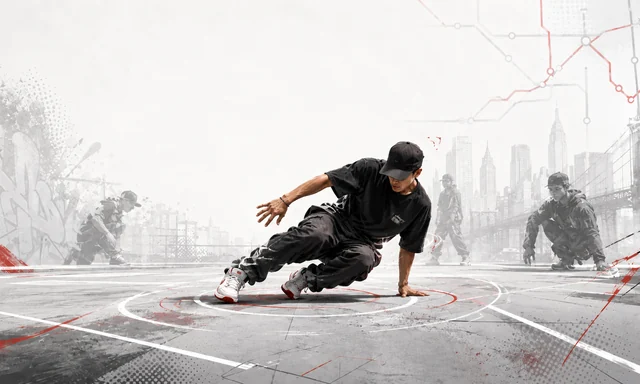
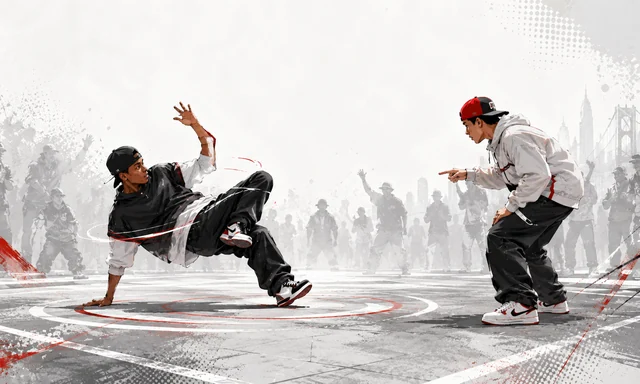
Breaker doing a headspin in a New York inspired sports layout

适合搜索的百科

快速查找 breaking 术语或答案

Type a term like headspin, 6-step, cypher, burn, b-boy or kids.

输入 headspin、6-step、cypher、burn、b-boy 或 kids 等术语。

按主题浏览

Breaking 知识分类

Each category connects back to the correct Breaking guide, so the 问答 page supports the full StreetDance.com Breaking hub instead of acting as a loose FAQ page.

Original breaking breaking basics for StreetDance.com
从这里开始

Breaking 基础

Core answers about breaking, breakdance, b-boys, b-girls, breakbeats and hip-hop culture.

20 questions
Original breaking foundation for StreetDance.com
文化优先

Foundation

Rhythm, balance, body control, movement vocabulary and the building blocks behind the dance.

16 questions
Original breaking toprock for StreetDance.com
站立风格

Toprock

Upright movement, rhythm, posture, musicality and how breakers enter a round.

9 questions
Original breaking go-downs & entries for StreetDance.com
进入 floor

Go-downs 与 Entries

Drops, entries, sweeps and transitions from standing to floorwork.

9 questions
Original breaking footwork for StreetDance.com
地板基础

Footwork

6-step, 2-step, CCs, Zulu Spin, kick-outs, threads, hooks and floor control.

15 questions
Original breaking freezes for StreetDance.com
控制与冲击

Freezes

Baby freeze, chair freeze, airchair, headstand, handstand and freeze combinations.

11 questions
Original breaking power moves for StreetDance.com
Momentum

Power 动作

Windmills, backspins, headspins, flares, halos, 1990s, 2000s, crickets and jackhammers.

15 questions
Original breaking style & originality for StreetDance.com
个人表达

Style 与 Originality

How breakers build individuality, creativity, character and a signature movement identity.

12 questions
Original breaking musicality for StreetDance.com
Beat connection

Musicality

Timing, accents, beat kills, pauses, rhythm changes and moving with the music.

10 questions
Original breaking battles for StreetDance.com
Competition

Battle 对战

Rounds, sets, crew battles, judging, strategy, crowd response and Seven to Smoke.

17 questions
Original breaking gestures for StreetDance.com
Battle 语言

手势

Call-outs, burns, mocking, repeat gestures, pointing and non-verbal battle communication.

17 questions
Original breaking cyphers for StreetDance.com
Circle energy

Cyphers

Cypher awareness, floor control, etiquette and how dancers enter and leave the circle.

10 questions
Original breaking crews & community for StreetDance.com
Lineage

Crews 与 Community

Crews, mentorship, oral history, respect, representation and each one teach one.

14 questions
Original breaking events for StreetDance.com
Jams & comps

Events

Jams, sessions, workshops, showcases, qualifiers, prelims, finals and battle brackets.

9 questions
Original breaking learning breaking for StreetDance.com
Beginner path

学习 Breaking

Practice tips, shoes, safety, injury prevention, beginner mistakes and learning at home.

10 questions
Original breaking kids & parents for StreetDance.com
Safe learning

儿童与家长

Child-friendly breaking, parent support, safe progression, rhythm games and confidence.

6 questions
Original breaking culture & future for StreetDance.com
Archive

文化与未来

Preservation, documentation, cultural protection, life skills and the future of breaking.

11 questions

从这里开始

Breaking 基础

Core answers about breaking, breakdance, b-boys, b-girls, breakbeats and hip-hop culture.

Related guide: Breaking 首页 →

Breaking 是一种在 hip-hop culture 中发展出来的舞蹈和文化艺术形式。它结合 rhythm、musicality、toprock、go-downs、footwork、freezes、power moves、transitions、style 和自我表达。

Breaking 发生在 cypher、battles、jams、sessions 和 showcases 中。它以 breakbeats、originality、foundation、timing、control、creativity 和 respect 为核心。

Breakdance 是大众常用来称呼 breaking 的名称。这个词在 1970 年代后期和 1980 年代通过媒体、电视、电影和活动宣传变得流行。

在文化内部,很多舞者更喜欢使用 “breaking”,因为这个词更接近 scene language、音乐,以及 b-boy 和 b-girl 自己描述这门舞蹈的方式。不过 “breakdance” 仍然被大众、promoters、媒体和 scene 外的人广泛使用。

通常来说,breaking 和 breakdance 指的是同一种舞蹈,但两个词在文化上有不同的感觉。“Breaking” 更常在文化内部使用,“breakdance” 是通过媒体和大众使用传播开的 mainstream term。

在一些 scene context 中,“breakdancer” 有时会被非正式地用来形容更关注 tricks 或 power moves 的人,而 b-boy、b-girl 或 breaker 通常更强调音乐、foundation、文化和 battle tradition。

很多舞者使用 “breaking”,因为它是 scene 内更准确、更有文化根源的词。这个词尊重舞蹈的 roots、音乐、DJs、cypher 以及 b-boys、b-girls 和 breakers 的语言。

“Breakdancing” 是大众更熟悉的表达,尤其在这门舞蹈第一次大规模传播时被 mainstream media 大量使用。“B-boying” 也是文化内部使用的表达,常用来强调原本的 hip-hop context。

Breaker 是指跳 breaking 的人。这个词是 gender-neutral,可以包括 b-boys、b-girls,以及参与 cyphers、battles、jams、performances、workshops 和 practice sessions 的舞者。

B-boy 是代表 breaking culture 的男性 breaker。他在 cypher 或 battle 中展示 rhythm、foundation、style、character、musicality 和 presence。

B-girl 是代表 breaking culture 的女性 breaker。她在 cypher 或 battle 中展示 rhythm、foundation、style、character、musicality 和 presence。

Breakbeat 是唱片中鼓、percussion 或 groove 更突出的节奏片段。Breaking 是随着舞者对音乐中的 break 作出反应而发展起来的。

Breaking 这个名字与舞者在唱片的 break section 上跳舞有关。DJs 会延长这些节奏片段,让舞者有更多时间进入 floor、battle 和表达自己。

与 breaking 相关的另一个词是 b-boying,文化内部很多人也会使用这个说法。

是的。Breaking 是 hip-hop culture 中最知名的舞蹈形式之一。它经常与 DJing、MCing 和 graffiti 一起被描述为 hip-hop 的核心元素。

Breaking 可以同时是三者。但在文化内部,它首先是一种舞蹈和文化艺术形式。Battle 对战 和 competitions 带来运动性,style、character 和 self-expression 让它成为艺术。

Breaking 的主要元素包括 toprock、go-downs 或 entries、footwork、freezes、power moves、transitions、musicality、style、originality 和 battle awareness。

Breaking 特别之处在于它结合了舞蹈、音乐、创意、竞争和自我表达。它包含受 streetdance、martial arts、gymnastics、acrobatics 和 social dance 影响的 movement,但也有自己的 culture、vocabulary、rhythm 和 values。

Breaking 不只是困难的 moves。重要的是舞者如何使用 music、style、foundation、originality 和 presence 来表达自己。

Breaking 起源于 street 和 community dance culture,并与 DJs、breakbeats、block parties、cyphers 以及年轻人的创造力有关。

Breaking 在 1970 年代 New York City 的 Bronx 与 hip-hop culture 形成时期强烈发展。像 Kool Herc 这样的 DJs 会延长唱片里的 break section,让舞者有更多时间 movement、battle 和表达自己。B-boys 和 b-girls 在这些 breaks 上跳舞,这种舞蹈后来被称为 breaking。

Breaking 最强烈地与 1970 年代 hip-hop culture 成长中的 New York City,尤其是 Bronx 联系在一起。

Breaking 不是由一个人创造的。许多 dancers、DJs、crews、communities 和 local scenes 在很长时间里一起塑造了这门文化。

Breaking 变得流行,是因为它 exciting、creative、competitive,而且容易开始。舞者不需要昂贵的器材。只要有 DJ、music、floor 和 community,就能形成 cyphers、battles 和 jams。

Breaking 通过 crews、films、television、international events、workshops、tours,以及把文化传播到世界各地的舞者能量扩散开来。

是的。任何人都可以开始学习 breaking,但需要 patience、安全的 training、对 culture 的 respect、对 music 的理解,以及尽可能来自有经验舞者的 guidance。

Breaking 可能很有挑战,因为它需要 rhythm、coordination、strength、flexibility、creativity 和 body control。初学者 应先从 history、music、foundation steps 和安全 movement 开始,不应该太快进入 advanced moves。

向 active practitioner、mentor 或有经验的 dancer 学习,可以帮助 beginners 以正确和安全的方式成长。

学习 breaking 的时间取决于 age、health、physical background、training regularity、coaching 和个人目标。Basic movements 通常几个月内可以开始掌握,但发展 style、musicality、confidence 和 battle experience 需要多年 practice。

文化优先

Foundation

Rhythm, balance, body control, movement vocabulary and the building blocks behind the dance.

Related guide: 初学者 →

Foundation 是支撑 breaker 成长的基本 movement、rhythm、control、technique 和 cultural knowledge。它让 advanced movement 不只是技巧,而能与舞蹈连接并产生意义和结构。

Foundation 教会 history、cultural values、rhythm、balance、coordination、control、movement vocabulary,以及如何从 basic principles 发展自己的 style。

Foundation 重要,因为它是 breaking 的 ABC。它给舞者理解 dance、music 和 culture 所需要的 building blocks。

没有 foundation,advanced movements 可能看起来与 rhythm、style 和 breaking 的意义脱节。

Movement vocabulary 是 breaker 在 breaking 中表达 ideas 可使用的 steps、patterns、freezes、transitions、gestures 和 concepts 的集合。

Flow 指舞者如何自然、顺畅地连接 movements 和 transitions。好的 flow 会让一个 round 从一个 idea 自然并有目的地进入下一个 idea。

Flow 教会 connection、timing、transition control,以及如何在 levels、directions 和 movement categories 之间自然移动。

Rhythm 是把 movement 与 music 连接起来的 timing、pulse 和 pattern。在 breaking 中,rhythm 引导 toprock、footwork、freezes、transitions 和 battle energy。

Timing 是对 situation 作出反应,并抓住正确 moment,让 music accent、move、freeze、gesture 或 transition 看起来自然的能力。

Timing 教会 patience、listening、musical awareness,以及通过 movement 或 stop 的瞬间制造 impact。

Coordination 教会 body awareness、balance、movement control,以及把 steps、transitions 和 freezes 连接起来的能力。

Balance 是在 movement、level changes 或 shape 中控制 body weight 和 body position 的能力。

Balance 教会 stability、confidence、control,以及在 freezes、footwork 和 transitions 中安全稳定地 movement。

Body control 是有意识地控制 movement、weight、direction、speed 和 stopping points 的能力。

Body control 教会 precision、clean execution,以及让 difficult movements 看起来有目的和清晰的能力。

站立风格

Toprock

Upright movement, rhythm, posture, musicality and how breakers enter a round.

Related guide: 动作 →

Toprock 是 breaking 的 standing section。它在站立状态下完成,展示 rhythm、posture、style、confidence 和与 music 的 connection。

Toprock 教会 rhythm、timing、posture、musicality、confidence、direction changes,以及在进入 floor 前如何开始你的 dance。

Toprock 重要,因为它首先展示 dancer 的 style、musicality 和 presence。Toprock 会在 dancer 进入 footwork、freezes 或 power moves 之前设定 round 的 mood 和 direction。

常见的 toprock steps 包括 Indian step、cross step、salsa step、kick step,以及用于表达 style 的多种 standing rhythmic movements。

Rocking 是一种与 rhythm、style、gestures 和 musical interpretation 相连的 older dance form 和 battle expression。它影响了 breaking 中部分 standing language 和 attitude。

Uprock 是一种使用 steps、gestures 和 battle communication 的 competitive dance style。它与 breaking 有联系,但有自己的 vocabulary、history 和 cultural identity。

Toprock 是 breaking 内部的 standing section。Uprock 是独立的 dance 和 battle form。两者可以共享 energy 和 gesture,但 history 与 vocabulary 不同。

Toprock 通过 posture、rhythm、attitude、direction、arm movement、foot placement、musical accents 和 personal character 展示 style。

Toprock 通过在站立状态下聆听 drums、accents、pauses、melodies 和 music changes 并作出反应来展示 musicality。

进入 floor

Go-downs 与 Entries

Drops, entries, sweeps and transitions from standing to floorwork.

Related guide: 动作 →

Go-down 是从 standing movement 进入 floor 的 transition。它把 toprock 与 footwork、freezes 或 power moves 连接起来。

Go-down 教会 transition control、balance、timing、body placement,以及如何从 standing 自然地进入 floor。

Entry 是 breaker 进入 dance floor 或开始 round 的方式。它可以 simple、stylish、explosive、musical 或 strategic。

Entry 教会 timing、confidence、level change、flow,以及如何有意图地开始 round。

Entries 重要,因为它们连接 standing movement 和 floor movement。Clean entry 会让整个 round 看起来 complete 和 controlled。

Drop 是 dancer 从 standing 快速进入 floor 的 movement。根据 control、timing 和 style,它可以看起来 simple 或 dramatic。

Knee drop 是向单膝或双膝方向下降的 entry,需要控制 impact 和 rhythm。

Sweep entry 是用腿的 sweeping motion 从 standing 或 crouching position 连接到 floorwork 的 entry。

Spin entry 是用 rotation 进入 floor 的方式,可以与 footwork、backspin 或其他 rotating movements 连接。

地板基础

Footwork

6-step, 2-step, CCs, Zulu Spin, kick-outs, threads, hooks and floor control.

Related guide: 动作 →

Footwork 是 breaking 的核心 foundation 之一。它使用 hands 和 feet 在 floor 上移动,同时保持 rhythm、balance、control、direction 和 style。

Footwork 教会 coordination、timing、agility、balance、floor awareness、patterns 和 movement control,并为更 complex 的 movement 建立 foundation。

Footwork 重要,因为它是 breaking 最具代表性的 foundation。它展示 dancer 的 rhythm、control、flow、originality 和 floor connection。

6-step 是 foundational footwork pattern,breaker 使用 hands 和 feet 以圆形方式移动。很多 beginners 用它理解 floorwork structure。

2-step 是由两个主要 steps 组成的 basic footwork pattern。它有助于练习 direction change、speed change 和 simple transition。

3-step 是由三个主要 steps 组成的 footwork pattern,常用于练习 rhythm、direction 和 body placement。

CC 是一种使用 leg kick 和 hip movement 的 foundational footwork move。它适合展示 rhythm、shape、style 和 floor control。

Zulu Spin 是在 floor 上连接 rotation 与 footwork 的 movement。它有助于学习 breaking foundation 中的 direction、spin control 和 flow。

Coffee grinder 是一条腿做 circular sweep,同时身体跨过或避开的 floor move。它是练习 rhythm 和 leg control 的 basic movement。

Kick-out 是把腿向外踢出或伸出的 footwork movement,可用于 shape、accent、speed change 和 transition。

Thread 是让身体某个部分看起来穿过手臂或腿之间的 movement concept。它可以在 footwork 和 freezes 中创造 original shapes。

Hook 是用腿或脚勾住、缠绕,来制造 movement、transition 或 shape 的 footwork idea。它常用于 control 和 direction change。

Floorwork 是 dancer 在 floor 上使用 hands、feet、hips、knees、shoulders 等 body parts 进行 movement 的统称。

Advanced footwork 建立在 basic footwork 之上,同时加入 own originality、input、rhythm、direction changes、speed changes、threads、levels 和 complex transitions。

它不只是更难的 steps,而是 breaker 如何用 foundation 发展自己的 style 和 movement language。

Original footwork 来自 rhythm、direction、timing、shape、transition、level change 和 personal character 的结合。比起只背 steps,更重要的是用自己的方式连接它们。

控制与冲击

Freezes

Baby freeze, chair freeze, airchair, headstand, handstand and freeze combinations.

Related guide: 动作 →

Freeze 是 dancer 在特定 shape 或 position 中停止 movement 的瞬间。它可以展示 music accent、control、strength 和 impact。

Freeze 教会 balance、strength、timing、body control、confidence,以及准确抓住音乐瞬间的能力。

Freezes 给 round 增加 punctuation 和 impact。当停止的瞬间与 music、battle response 和 style 连接时,会留下很强的印象。

Baby freeze 是 beginners 常学习的 foundational freeze。它使用 hands、elbows、head 或 shoulder support 来稳定 hold 住 body shape。

Chair freeze 是身体像 chair 一样倾斜并停止的 freeze。Shoulder、arm 和 core control 很重要。

Airchair 是使用单臂 support 和 body balance 的 advanced freeze,需要 strength、flexibility 和 control。

Headstand freeze 是使用 head 和 hands 或 body alignment 来 hold upside-down position 的 freeze。安全 technique 和 neck awareness 很重要。

Handstand freeze 是在双手上 hold 住 body 的 freeze。它展示 balance、shoulder strength、body line 和 control。

Hollowback freeze 是强调 back arch 和 shoulder flexibility 的 advanced freeze,需要安全 training 和足够 control。

Signature freeze 是某个 breaker 因自己的 style、shape 或 timing 而闻名的 freeze,可以展示 individuality 和 identity。

Freeze combination 是连续连接多个 freezes 的方式。它不仅需要 strength,也需要 transition、timing、musicality 和 clean control。

Momentum

Power 动作

Windmills, backspins, headspins, flares, halos, 1990s, 2000s, crickets and jackhammers.

Related guide: 动作 →

Power move 是使用 spin、rotation、momentum、strength、speed 和 flexibility 的 dynamic movement category。Windmills、flares、headspins 等都属于这一类。

Power move 教会 momentum、timing、strength、endurance、discipline 和 control。

Power moves 是 breaking 的一部分,展示 strength、body control、discipline 和 dynamic energy。尤其当它们与 music、foundation 和 clean transitions 连接时,会给 round 增加 difficulty 和 excitement。

Windmill 是代表性的 power move,使用 shoulders、back 和 hips,双腿打开并持续 rotation。Momentum、timing 和 body shape 很重要。

Flare 是双腿打开,利用 hands support body 并做 circular movement 的 power move。它也与 gymnastics 的 pommel horse movement 有联系。

Swipe 是使用 hands 和 feet 让 body 旋转的 dynamic power movement。Timing、shoulder strength 和 hip lift 很重要。

Halo 是 body 围绕 head、shoulders 和 upper back 形成 circular rotation 的 advanced power move,需要 control 和安全 technique。

Airtrack 或 airflare 是交替使用 hands,让 body 在空中 rotation 的 advanced power move。它需要很强的 strength、timing 和 confidence。

1990 是在单手 handstand position 中让 body 旋转的 power move。Balance、shoulder strength 和 spin control 很重要。

2000 是基于双手或 handstand position,让 body vertical spin 的 power move。需要 strong core、balance 和 wrist control。

Jackhammer 是用一只手或 arm support 让 body bounce 或 rotate 的 advanced power move。它需要 strength、rhythm 和 precise weight shift。

Turtle 是用 elbows 和 hands 作为 support 来控制 body weight 的 movement 或 freeze base。它可以成为 handglide 和 jackhammer 等 moves 的 foundation。

Clean power moves 来自 control、strong shape、smooth rotation、safe landing、musical timing,以及与其他 movement 的自然 transition。

个人表达

Style 与 Originality

How breakers build individuality, creativity, character and a signature movement identity.

Related guide: B-Boy 与 B-Girl →

Style 是 breaker 用自己方式表达 movement 的方法。同一个 step 会因为 posture、rhythm、attitude 和 details 而看起来完全不同。

Style 教会 individuality、choice、confidence、musical interpretation,以及把 foundation 变成个人 language 的方法。

Creativity 是用新的方式连接 movement、music、space 和 battle response 的能力。在 breaking 中,creativity 是 style 和 originality 的重要部分。

Signature style 是让人能够认出某个 dancer 的整体 movement identity,由 rhythm、shape、transitions、attitude 和 musical choices 共同形成。

Beat connection

Musicality

Timing, accents, beat kills, pauses, rhythm changes and moving with the music.

Related guide: 音乐 →

Musicality 是 dancer 聆听音乐并用 movement 解释音乐的能力,包括对 drums、breaks、accents、pauses、melody 和 energy change 的反应。

Musicality 教会 listening、timing、patience、rhythm control,以及如何把 movement 与 music 连接起来。

有 musicality 时,movement 不只是 sequence,而像是在与 music 对话。在 breaking 中,理解 beat 和 groove 很重要。

Hit the beat 是把 movement、freeze 或 gesture 准确放在音乐中的某个 beat、drum、accent 或 break 上。

Marker 是 dancer 用来标记 music、space 或 opponent 的某个 moment 的 movement 或 gesture。Accent、pause、point、freeze 都可以像 marker 一样使用。

Beat kill 是 dancer 精准抓住强烈 musical accent 并制造巨大 impact 的瞬间,可以通过 freeze、drop、spin 或 gesture 表达。

Pause 是 movement 之间有意的停顿。好的 timing 和 control 会让 pause 产生 musicality 和 tension。

Accent 是音乐中更强烈的 beat、sound 或 change。Breaker 可以用 movement、freeze 或 gesture 表达 accent。

Rhythm change 是 dancer 改变 speed、timing、pattern 或 energy,可用来回应 music change 或给 round 增加 surprise。

舞者通过聆听 beat、抓 accents、使用 pauses、改变 speed,并把 freezes 和 gestures 放在音乐瞬间来展示 musicality。

Competition

Battle 对战

Rounds, sets, crew battles, judging, strategy, crowd response and Seven to Smoke.

Related guide: Battle 对战 →

Battle 教会 confidence、strategy、focus、pressure control、improvisation、respect,以及阅读 opponent 的能力。

Breakers battle 是为了测试 skill、style、originality、musicality 和 courage,挑战彼此,并在 culture 中获得 respect。

Battle 对战 通常根据 musicality、foundation、originality、execution、difficulty、style、battle response 和 overall performance 等标准 judging。不同 event 的标准可能不同。

Round 是 dancer 在 battle 或 cypher 中进入 floor 展示自己 set 的一次 turn。

Set 是 dancer 在 round 中准备或即兴组合的 movements、transitions、freezes 和 power moves sequence。

Battle strategy 是 dancer 如何计划 rounds、阅读 opponent、分配 energy,并在正确 moment 展示自己的 strengths。

Crowd response 是 audience 对 movement、musical moment、battle response 或 dramatic action 作出的 energy 反应,可以表现为 cheers、noise 或 gestures。

Winning round 通常结合 strong foundation、clean execution、musicality、originality、battle response、confidence 和 clear ending。

2 vs 2 battle 是两人组成的 team 互相竞争的 format。两位 dancers 的 chemistry、response 和 balance 很重要。

2 vs 2 battle 教会 partner timing、communication、teamwork、spacing,以及如何发挥彼此的 strength。

1 vs 1 battle 是一名 dancer 与另一名 dancer 直接竞争的 format,individual skill、presence 和 strategy 会很明显地展现出来。

Seven to Smoke 是 dancers 连续 battle 并积累 points 的 format。一名 dancer 可以长时间留在场上连续面对多个 opponents。

Seven to Smoke 教会 stamina、pressure control、adaptability、quick strategy,以及连续回应不同 opponents 的能力。

Battle 语言

手势

Call-outs, burns, mocking, repeat gestures, pointing and non-verbal battle communication.

Related guide: 手势 →

Breaking gestures 是在 battle 或 cypher 中通过 hands、body language、facial expression、pointing、mocking 等传递 message 的 movement language。

手势 教会 communication、timing、attitude、battle response,以及即使不做 movement 也能传递 message 的方法。

手势 让 battle 变成 movement conversation。它们可以 call out 对手、展示 response、与 crowd 沟通并表达 character。

Call out gesture 是把 opponent 或 dancer 叫进 floor、发出 challenge 的 gesture。它可以 respectful,也可能看起来 aggressive。

Burn gesture 是用来表示自己压过 opponent,或把同一个 idea 做得更强的 gesture。它是 culture 中 battle language 的一部分。

Call out 是叫对手出来或 challenge。Burn 更像是在 battle 中表达:对方的 move 或 idea 被自己做得更强、更轻松或更复杂。

指向对手可能表示 challenge、response、attention 或 direct battle communication。具体含义取决于 context 和 attitude。

指向耳朵的 gesture 可能表示让对方听音乐、指出对方 missed the beat,或强调 musicality。

指向 floor 的 gesture 可能是在邀请或挑战对方跳舞,意思是到 floor 上证明自己。

Repeating gesture 可能表示对方重复了同一个 move 或 idea。在 battle 中,它可以是对 originality 或 variety 的 comment。

Crowd interaction 是 dancer 读取 audience energy,并通过 gestures、eye contact、humor、timing 或 dramatic moments 与 crowd 沟通。

会。手势 本身不是赢 battle 的唯一标准,但如果 timing 和 context 好,会增强 presence、confidence 和 battle communication。

手势 取决于 context。Breaking battle 中有 challenge 和 attitude,但仍然应该保持对 culture 和 opponent 的 respect。

好的 gesture 应该 clear、musical、符合 context,并增强 dancer 的 character 和 battle response。如果太 forced 或 disrespectful,效果会变弱。

Mocking 是在 battle 中取笑对手,或模仿对方的 movement、mistake 或 attitude 来传递 message。它可能是 playful,也可能因 context 而显得不尊重。

Burn 可以指在 challenge 中用同一个 movement 更轻松、更 clean 或更 complex 地表现,从而压过 opponent。它也可以指 windmills、headspins、backspins 等 floor friction 造成的皮肤 burn。

Burn 教会 battle awareness、timing、confidence、risk,以及如何回应 opponent 的 idea。同时 physical burn 也提醒 dancers 注意 clothing 和 training surface 的安全。

Circle energy

Cyphers

Cypher awareness, floor control, etiquette and how dancers enter and leave the circle.

Related guide: Battle 对战 →

Cypher 是 dancers 围成 circle,并依次进入中间跳舞的 space。它是 breaking culture 的核心空间,强调 exchange、style、identity、originality 和 respect。

Cypher 教会 improvisation、confidence、respect、timing、community awareness,以及回应他人的能力。

Cyphers 是 breaking 被分享、练习、挑战和庆祝的核心空间。即使不是 battle,也会发生 exchange 和 learning。

Cypher awareness 是阅读 circle 中的 space、energy、timing、people 和 flow,并理解何时进入的能力。

Cypher awareness 教会 respect、patience、timing、spatial awareness,以及如何不打断 circle flow 地参与。

Floor control 是用 awareness、direction、safety 和 intention 使用 dance space 的能力。

Floor control 教会 spatial awareness、movement planning、confidence,以及如何避免与他人碰撞。

Circle etiquette 是尊重 turns、space、music、dancers 和 cypher energy 的 unwritten behavior。

进入 cypher 时,要阅读 space,等待合适 moment,并带着 confidence 和 respect 进入。

离开 cypher 时,在完成自己的 round 或 set 后走出 circle,并为下一位 dancer 留出 space。

Lineage

Crews 与 Community

Crews, mentorship, oral history, respect, representation and each one teach one.

Related guide: B-Boy 与 B-Girl →

Dance crew 是一起 train、perform、compete 或 represent 的 dancers group。在 breaking 中,crews 分享 knowledge、support 彼此,并建立 community identity。

Crew 教会 teamwork、loyalty、leadership、responsibility、communication 和 mutual support。Shared experience 可以帮助 dancers 成长。

Crews 重要,因为它们保存 knowledge、建立 identity、support dancers,并代表 local 或 international scenes。

Oral history 让你理解 movements、values、battles、people 和 ideas 从哪里来。它对理解未被记录的 scene knowledge 很重要。

Knowledge 帮助 dancers 理解 breaking 的 roots、values、history、music、rules of engagement 和 cultural context。

Breakers 通过 practice、originality、contribution、humility、battle presence、knowledge、consistency、community support 和对人的态度获得 respect。

Representation 是展示自己是谁、来自哪里、哪些 crew 或 community 塑造了自己,以及自己把什么 values 带入 dance。

Each one teach one 意味着 knowledge 应该在人与人之间分享。在 breaking 中,它代表 mentorship、community responsibility 和延续 culture 的 idea。

Jams & comps

Events

Jams, sessions, workshops, showcases, qualifiers, prelims, finals and battle brackets.

Related guide: Battle 对战 →

Jam 是 music、dancers 和 culture 聚集的 community gathering,可能包含 cyphers、battles、showcases、DJs、workshops 和 social exchange。

Session 是 dancers 用来 train、exchange、建立 stamina 和分享 ideas 的 practice gathering。

Workshop 是由 dancer、teacher 或 expert 带领的 class 或 training session,可以专注 technique、culture、musicality 或 battle skills。

Showcase 是为 audience 准备的 performance,可能不同于即兴的 cypher 或 battle round。

Qualifier 是 dancers 为进入更大的 battle 或 competition 而竞争的 event 或 round。

Prelim 是为了选择 dancers 或 crews 进入下一 stage 的 preliminary round。

Judge showcase 是 judges 为展示自己的 style、credibility 和 signature movements 所做的短 performance。

Battle bracket 是显示谁与谁 battle,以及 dancers 或 crews 如何进入下一阶段的 tournament structure。

Beginner path

学习 Breaking

Practice tips, shoes, safety, injury prevention, beginner mistakes and learning at home.

Related guide: 初学者 →

初学者 应从 rhythm、basic toprock、safe go-downs、simple footwork、beginner freezes 和对 culture 的 respect 开始。

需要 music、comfortable clothes、sneakers、safe floor space 和 patience。一些 dancers 会使用 knee pads、wrist support 或 beanies 作为 protection。

好的 breaking shoes 应该 comfortable、supportive 且 flexible。它们不应过分粘地,但需要足够 grip。

Practice frequency 取决于 level、goals、body 和 schedule。短而 consistent 的 sessions 加上 rest,通常比偶尔 overtraining 更好。

学习 art form、向 experienced dancers 学习、练 foundation、听 music、录下自己、接受 feedback,并参与 cyphers 和 sessions,可以帮助你更快成长。

要 warm up、逐渐建立 strength、使用 safe surfaces、学习 correct technique、需要时 rest,并避免太早强迫 advanced moves。

可以。如果有足够 space 和安全 floor,可以在家开始。但尽可能通过 experienced dancers、classes、workshops 和 cyphers 学习会更好。

这取决于目标,但多数 beginners 应先建立 foundation。Backspins 或 handglides 这类 basic power moves 可以较早学习,但 advanced power 应慢慢接近。

常见 mistakes 包括 rushing、跳过 foundation、没有理解就 copy、忽视 music、不建立 rhythm,以及太快尝试 advanced moves。

每个 beginner 都应该先学习 history、rhythm、basic toprock、footwork 和 basic freezes。

Safe learning

儿童与家长

Child-friendly breaking, parent support, safe progression, rhythm games and confidence.

Related guide: 儿童 →

Breaking 可以帮助 children 发展 coordination、confidence、creativity、discipline、rhythm 和 social interaction。

Breaking 可以教 children discipline、coordination、confidence、creativity、teamwork、respect、perseverance 和 self-expression。

如果有 warm-up、age-appropriate movement、safe surfaces 和 progressive teaching,breaking 对 kids 可以是安全的。不应太早强迫 advanced tricks。

Children 可以从较小年龄开始 rhythm games、basic steps 和 safe movement。困难 movement 应根据 body readiness 和 maturity 慢慢 introduced。

Parents 应了解 breaking 不只是 tricks,而是一种 culture。好的 teaching 包括 safety、music、respect、foundation 和 creativity。

Parents 可以通过寻找 safe classes、鼓励 practice、尊重 culture、support events,并给孩子慢慢成长的时间来帮助他们。

Archive

文化与未来

Preservation, documentation, cultural protection, life skills and the future of breaking.

Related guide: 历史 →

Breaking history 应被保存,因为它帮助 dancers 理解创造 culture 的 people、places、music、battles 和 communities。

Archives 让 future generations 看到谁创造了 culture、style 如何变化,以及哪些 moments shaped the scene。它也帮助保护 truth,避免 misinformation。

通过 photos、videos、interviews 和 articles 进行 documentation,有助于记录 events、dancers、crews、battles 和 important moments,并为 breaking culture 建立 archive。

Breaking 的未来会更加 professional、organized 和 global。但 culture、community、music、cyphers、jams 和 local scenes 仍应保持核心地位。

Breaking 通过 local scenes、international travel、competitions、media、workshops,以及新 generations 加入自己的 style 而不断 evolve。

Breaking culture 可以通过 education、credit、documentation、mentorship、respect、community-led storytelling,以及 support 创造这门文化的人来保护。

Breaking 不只是 tricks,因为它包含 music、history、style、cypher culture、battles、respect、creativity 和 community。

Breaking 教 resilience、confidence、discipline、creativity、teamwork、leadership、patience,以及从 mistakes 中学习的能力。

Breaking 教 respect、originality、perseverance、community、knowledge、courage、creativity 和 responsibility。

Breaking 重要,因为它是 hip-hop early development 中的 core elements 之一。它代表 dance、rhythm、competition、self-expression、community 和 cypher energy。

一个人可以通过 training、teaching、organizing、documenting、DJing、support events、mentoring、preserving history 和 respecting culture 来 contribute to breaking scene。

DMCA / Copyright & Corrections

We respect copyright and cultural accuracy.

Breaking history is community-based. If you notice a missing credit, cultural correction, terminology issue, scene-history update or copyright concern, contact dmca@streetdance.com.

Read DMCA / Corrections →