breaking、breakdance、b-boyとb-girl culture、moves、battles、cyphers、music、gestures、history、初心者向け学習に関する200以上の日本語Q&Aを検索できます。

ブレイキング百科

ブレイキング百科

ブレイキング、ブレイクダンス、B-boy、B-girlカルチャー、ムーブ、バトル、サイファー、音楽、ジェスチャー、基礎、安全な学び方に関する200以上の回答を検索できます。

211 質問17 カテゴリー
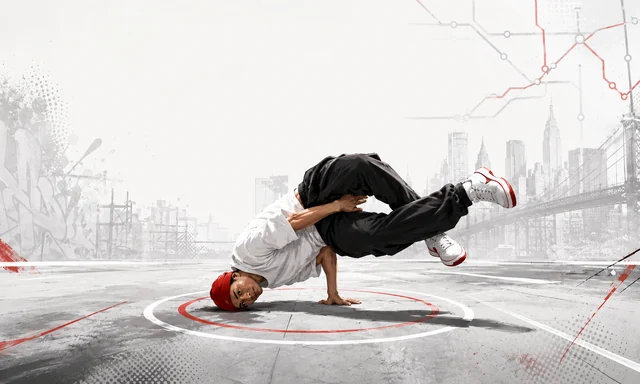
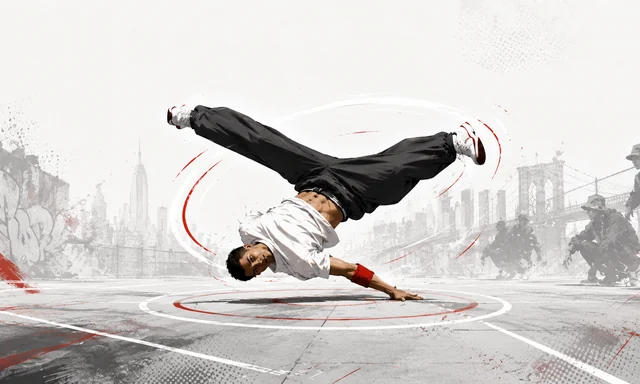
Breaker doing a headspin in a New York inspired sports layout

ブレイキング百科

ブレイキング用語や答えをすばやく見つける

Type a term like headspin, 6-step, cypher, burn, b-boy or kids.

トピック別に見る

ブレイキング知識カテゴリー

各カテゴリは対応するBreakingガイドにつながり、このQ&AページがStreetDance.comのBreakingセクション全体をサポートします。

Original breaking breaking basics for StreetDance.com
ここから始める

Breaking基礎

Core answers about breaking, breakdance, b-boys, b-girls, breakbeats and hip-hop culture.

20 questions
Original breaking foundation for StreetDance.com
文化を先に

Foundation

Rhythm, balance, body control, movement vocabulary and the building blocks behind the dance.

16 questions
Original breaking toprock for StreetDance.com
立ちのスタイル

Toprock

Upright movement, rhythm, posture, musicality and how breakers enter a round.

9 questions
Original breaking go-downs & entries for StreetDance.com
floorへ入る

Go-downsとEntries

Drops, entries, sweeps and transitions from standing to floorwork.

9 questions
Original breaking footwork for StreetDance.com
floor foundation

Footwork

6-step, 2-step, CCs, Zulu Spin, kick-outs, threads, hooks and floor control.

15 questions
Original breaking freezes for StreetDance.com
controlとimpact

Freezes

Baby freeze, chair freeze, airchair, headstand, handstand and freeze combinations.

11 questions
Original breaking power moves for StreetDance.com
Momentum

Power Moves

Windmills, backspins, headspins, flares, halos, 1990s, 2000s, crickets and jackhammers.

15 questions
Original breaking style & originality for StreetDance.com
個人の表現

StyleとOriginality

How breakers build individuality, creativity, character and a signature movement identity.

12 questions
Original breaking musicality for StreetDance.com
Beat connection

Musicality

Timing, accents, beat kills, pauses, rhythm changes and moving with the music.

10 questions
Original breaking battles for StreetDance.com
Competition

Battles

Rounds, sets, crew battles, judging, strategy, crowd response and Seven to Smoke.

17 questions
Original breaking gestures for StreetDance.com
battle language

Gestures

Call-outs, burns, mocking, repeat gestures, pointing and non-verbal battle communication.

17 questions
Original breaking cyphers for StreetDance.com
Circle energy

Cyphers

Cypher awareness, floor control, etiquette and how dancers enter and leave the circle.

10 questions
Original breaking crews & community for StreetDance.com
Lineage

CrewsとCommunity

Crews, mentorship, oral history, respect, representation and each one teach one.

14 questions
Original breaking events for StreetDance.com
Jams & comps

Events

Jams, sessions, workshops, showcases, qualifiers, prelims, finals and battle brackets.

9 questions
Original breaking learning breaking for StreetDance.com
Beginner path

Breakingを学ぶ

Practice tips, shoes, safety, injury prevention, beginner mistakes and learning at home.

10 questions
Original breaking kids & parents for StreetDance.com
Safe learning

KidsとParents

Child-friendly breaking, parent support, safe progression, rhythm games and confidence.

6 questions
Original breaking culture & future for StreetDance.com
Archive

CultureとFuture

Preservation, documentation, cultural protection, life skills and the future of breaking.

11 questions

ここから始める

Breaking基礎

Core answers about breaking, breakdance, b-boys, b-girls, breakbeats and hip-hop culture.

Related guide: Breaking Hub →

Breakingは、hip-hop cultureの中で発展したダンスであり、文化的なアートフォームです。rhythm、musicality、toprock、go-downs、footwork、freezes、power moves、transitions、style、そして自己表現を組み合わせます。

Breakingはcypher、battles、jams、sessions、showcasesの中で行われます。breakbeats、originality、foundation、timing、control、creativity、respectを中心に発展してきました。

Breakdanceは、多くの人がbreakingを指して使う一般的な名称です。この言葉は特に1970年代後半から1980年代にかけて、メディア、テレビ、映画、イベント告知を通じて広く知られるようになりました。

文化の内部では、多くのダンサーが“breaking”という言葉を好みます。それはscene language、音楽、そしてb-boyやb-girlが自分たちのダンスを説明してきた方法により深く結びついているからです。ただし“breakdance”も、一般の人々、promoters、メディア、sceneの外の人々によって今も広く使われています。

Breakingとbreakdanceは通常同じダンスを指しますが、文化的には異なるニュアンスを持つことがあります。“Breaking”は文化の内部でより多く使われる言葉です。“Breakdance”はメディアや一般的な使用によって広まったmainstream termです。

一部のscene contextでは、“breakdancer”という言葉がtricksやpower movesに強く集中する人を指す非公式な表現として使われることもあります。一方、b-boy、b-girl、breakerは、音楽、foundation、文化、battle traditionとより広く結びついた人を意味することが多いです。

多くのダンサーは“breaking”という言葉を使います。それはsceneの中で使われる、より文化的に正確な用語だからです。この言葉は、ダンスのroots、音楽、DJs、cypher、b-boys、b-girls、breakersの言語を尊重しています。

“Breakdancing”は一般に広く知られた表現で、特にこのダンスが最初に大きく知られた時期にmainstream mediaで多く使われました。“B-boying”も文化内で使われる表現で、元のhip-hop contextを強調したいダンサーがよく使います。

Breakerはbreakingを行う人を意味します。この言葉はgender-neutral termであり、b-boys、b-girls、そしてcyphers、battles、jams、performances、workshops、practice sessionsに参加するダンサーを含むことができます。

B-boyはbreaking cultureを代表する男性breakerです。cypherやbattleの中でrhythm、foundation、style、character、musicality、presenceを示します。

B-girlはbreaking cultureを代表する女性breakerです。cypherやbattleの中でrhythm、foundation、style、character、musicality、presenceを示します。

Breakbeatは、レコードの中でドラム、percussion、grooveがより目立つリズム部分です。Breakingは、ダンサーが音楽のbreakに反応することで発展しました。

Breakingという名前は、レコードのbreak sectionに合わせて踊ることとつながっています。DJsはそのリズム部分を長く引き伸ばし、ダンサーがより長くfloorに入り、自分を表現し、battleできるようにしました。

Breakingに関連するもう一つの言葉はb-boyingで、文化の内部で多くの人が使う表現です。

はい。Breakingはhip-hop cultureの中で最もよく知られたダンス形式の一つです。DJing、MCing、graffitiとともに、hip-hopの主要な要素の一つとして説明されることが多いです。

Breakingはそのすべてになり得ます。しかし文化の内部では、まずダンスであり文化的なアートフォームです。Battlesやcompetitionsはスポーツ的な要素を加え、style、character、自己表現がbreakingをアートにします。

Breakingの主な要素は、toprock、go-downsまたはentries、footwork、freezes、power moves、transitions、musicality、style、originality、battle awarenessです。

Breakingはダンス、音楽、創造性、競争、自己表現を組み合わせるため特別です。streetdance、martial arts、gymnastics、acrobatics、social danceの影響を受けたmovementを含みますが、独自のculture、vocabulary、rhythm、valuesを持っています。

Breakingは難しいmovesだけではありません。ダンサーがmusic、style、foundation、originality、presenceを使って自分が誰なのかを示す方法が重要です。

Breakingはstreetとcommunity dance cultureの中で始まり、DJs、breakbeats、block parties、cyphers、若い世代の創造性とつながっています。

Breakingは1970年代のNew York City、特にBronxでhip-hop cultureが形成されていた時期に強く発展しました。Kool HercのようなDJsはレコードのbreak sectionを長くつなぎ、ダンサーがより長く動き、battleし、表現できるようにしました。B-boysとb-girlsはそのbreaksに合わせて踊り、このダンスはbreakingとして知られるようになりました。

Breakingは1970年代にhip-hop cultureが成長していたNew York City、特にBronxと最も強く結びついています。

Breakingは一人の人物が作ったものではありません。多くのdancers、DJs、crews、communities、local scenesが長い時間をかけてこの文化を共に作り上げてきました。

Breakingは刺激的で、創造的で、競争的で、始めやすかったため人気になりました。ダンサーは始めるために高価な道具を必要としませんでした。DJ、music、floor、communityがあれば、cyphers、battles、jamsが生まれます。

Breakingはcrews、films、television、international events、workshops、tours、そして文化を世界に広げたダンサーたちのエネルギーによって広まりました。

はい。誰でもbreakingを始めることができます。ただし、patience、安全なtraining、cultureへのrespect、musicへの理解、そして可能であれば経験あるダンサーからのguidanceが必要です。

Breakingは挑戦的なダンスです。rhythm、coordination、strength、flexibility、creativity、body controlが必要だからです。Beginnersはhistory、music、foundation steps、安全なmovementから始めるべきで、advanced movesへ急ぎすぎてはいけません。

Active practitioner、mentor、または経験あるdancerから学ぶことは、beginnersが正しく安全に成長する助けになります。

Breakingを学ぶ時間は、age、health、physical background、training regularity、coaching、個人の目標によって変わります。Basic movementsは数か月で学べることが多いですが、style、musicality、confidence、battle experienceを発展させるには何年ものpracticeが必要です。

文化を先に

Foundation

Rhythm, balance, body control, movement vocabulary and the building blocks behind the dance.

Related guide: Beginners →

Foundationは、breakerの成長を支える基本movement、rhythm、control、technique、cultural knowledgeです。Advanced movementが単なる技ではなく、ダンスとつながるように意味と構造を与えます。

Foundationはhistory、cultural values、rhythm、balance、coordination、control、movement vocabulary、そしてbasic principlesから自分のstyleを発展させる方法を教えます。

FoundationはbreakingのABCなので重要です。ダンサーがdance、music、cultureの基本を理解するためのbuilding blocksを与えます。

Foundationがないと、advanced movementsはrhythm、style、breakingの意味から離れて見えることがあります。

Movement vocabularyは、breakerがbreakingの中でideasを表現するために使えるsteps、patterns、freezes、transitions、gestures、conceptsの集合です。

Flowは、ダンサーがmovementsとtransitionsをどれだけ自然で滑らかに結びつけるかを指します。良いflowは、roundが一つのideaから次のideaへ自然に、目的を持って進むように見せます。

Flowはconnection、timing、transition control、そしてlevels、directions、movement categoriesの間を自然に移動する方法を教えます。

Rhythmはmovementをmusicと結びつけるtiming、pulse、patternです。Breakingではrhythmがtoprock、footwork、freezes、transitions、battle energyを導きます。

Rhythmは、音楽を聴き、timingに合わせて動き、speedを調整し、bodyとmusicを結びつける方法を教えます。

Timingは、状況に反応し、music accent、move、freeze、gesture、transitionが自然に見える正しい瞬間をつかむ能力です。

Timingはpatience、listening、musical awareness、そして動く瞬間や止まる瞬間でimpactを作る方法を教えます。

Coordinationは、体の複数の部分を同時に、controlを持って使う能力です。

Coordinationはbody awareness、balance、movement control、そしてsteps、transitions、freezesをつなげる能力を教えます。

Balanceはmovement、level changes、shapeを保つ間にbody weightとbody positionをcontrolする能力です。

Balanceはstability、confidence、control、そしてfreezes、footwork、transitionsで安全かつ安定して動く方法を教えます。

Body controlはmovement、weight、direction、speed、stopping pointsを意識的に調整する能力です。

Body controlはprecision、clean execution、そして難しいmovementsを意図的で明確に見せる能力を教えます。

立ちのスタイル

Toprock

Upright movement, rhythm, posture, musicality and how breakers enter a round.

Related guide: Moves →

Toprockはbreakingのstanding sectionです。立った状態で行われ、rhythm、posture、style、confidence、musicとのconnectionを示します。

Toprockはrhythm、timing、posture、musicality、confidence、direction changes、そしてfloorに入る前にダンスをどう始めるかを教えます。

Toprockはダンサーのstyle、musicality、presenceを最初に見せるため重要です。Toprockはdancerがfootwork、freezes、power movesへ移る前にroundの雰囲気と方向を決めます。

よく使われるtoprock stepsにはIndian step、cross step、salsa step、kick step、そしてstyleを表現するために使われるさまざまなstanding rhythmic movementsがあります。

Rockingはrhythm、style、gestures、musical interpretationと結びついた古いdance formでありbattle expressionです。Breakingの一部のstanding languageやattitudeに影響を与えました。

Uprockはsteps、gestures、battle communicationを使うcompetitive dance styleです。Breakingと関連していますが、独自のvocabulary、history、cultural identityを持っています。

Toprockはbreaking内のstanding sectionです。Uprockは別のdanceとbattle formです。互いにenergyやgestureを共有することはありますが、historyとvocabularyは異なります。

Toprockはposture、rhythm、attitude、direction、arm movement、foot placement、musical accents、personal characterを通してstyleを見せます。

Toprockは立った状態でdrums、accents、pauses、melodies、音楽の変化を聴き、それに反応することでmusicalityを見せます。

floorへ入る

Go-downsとEntries

Drops, entries, sweeps and transitions from standing to floorwork.

Related guide: Moves →

Go-downはstanding movementからfloorへ入るtransitionです。Toprockをfootwork、freezes、power movesとつなげます。

Go-downはtransition control、balance、timing、body placement、そしてstandingからfloorへ自然に移動する方法を教えます。

Entryはbreakerがdance floorに入る、またはroundを始める方法です。Simple、stylish、explosive、musical、strategicに作ることができます。

Entryはtiming、confidence、level change、flow、そしてroundを意図的に始める方法を教えます。

Entriesはstanding movementとfloor movementをつなげるため重要です。Clean entryはround全体をcompleteでcontrolledに見せます。

Dropはdancerがstandingからfloorへ素早く下りるmovementです。Control、timing、styleによってsimpleにもdramaticにも見えます。

Knee dropは片膝または両膝へ下りながらimpactとrhythmをcontrolするentryです。

Sweep entryは脚のsweeping motionを使い、standingまたはcrouching positionからfloorworkへつなげるentryです。

Spin entryはrotationを使ってfloorに入る方法で、footwork、backspin、または他のrotating movementsにつながることがあります。

floor foundation

Footwork

6-step, 2-step, CCs, Zulu Spin, kick-outs, threads, hooks and floor control.

Related guide: Moves →

Footworkはbreakingの中心的なfoundationの一つです。Handsとfeetを使ってfloor上で動き、rhythm、balance、control、direction、styleを保ちます。

Footworkはcoordination、timing、agility、balance、floor awareness、patterns、movement controlを教え、よりcomplexなmovementのfoundationを作ります。

Footworkはbreakingを代表するfoundationなので重要です。ダンサーのrhythm、control、flow、originality、floor connectionを見せます。

6-stepはbreakerがhandsとfeetを使って円形に動くfoundational footwork patternです。多くのbeginnersがfloorwork structureを理解するために学ぶbasic stepです。

2-stepは2つの主要なstepsで構成されるbasic footwork patternです。Direction change、speed change、simple transitionの練習に役立ちます。

3-stepは3つの主要なstepsで構成されるfootwork patternです。Rhythm、direction、body placementを練習するためによく使われます。

CCはleg kickとhip movementを使うfoundational footwork moveです。Rhythm、shape、style、floor controlを見せるのに適しています。

Zulu Spinはfloor上でrotationとfootworkをつなげるmovementです。Breaking foundationの中でdirection、spin control、flowを学ぶ助けになります。

Coffee grinderは片脚を円形にsweepしながら体をまたがせたり避けたりするfloor moveです。Rhythmとleg controlを練習するbasic movementです。

Kick-outは脚を外へ蹴る、または伸ばすfootwork movementです。Shape、accent、speed change、transitionに使うことができます。

Threadは体の一部が腕や脚の間を通るように見せるmovement conceptです。Footworkやfreezesの中でoriginal shapesを作ることができます。

Hookは脚や足を引っかけたり巻きつけたりしてmovement、transition、shapeを作るfootwork ideaです。Controlやdirection changeに使われます。

Floorworkはdancerがfloor上でhands、feet、hips、knees、shouldersなど複数のbody partsを使って動くすべてのmovementを指します。

Advanced footworkはbasic footworkの上に成り立ち、own originality、input、rhythm、direction changes、speed changes、threads、levels、complex transitionsを加えます。

重要なのは単に難しいstepsではなく、breakerがfoundationを使って自分のstyleとmovement languageを発展させる方法です。

Original footworkはrhythm、direction、timing、shape、transition、level change、personal characterが一緒に見えるときに生まれます。Stepsをただ覚えるより、自分の方法でつなげることが重要です。

controlとimpact

Freezes

Baby freeze, chair freeze, airchair, headstand, handstand and freeze combinations.

Related guide: Moves →

Freezeはdancerが特定のshapeやpositionでmovementを止める瞬間です。Music accent、control、strength、impactを示すことができます。

Freezeはbalance、strength、timing、body control、confidence、そして音楽の瞬間を正確につかむ能力を教えます。

Freezesはroundにpunctuationとimpactを与えます。Movementを止める瞬間がmusic、battle response、styleとつながると強い印象を残します。

Baby freezeはbeginnersがよく学ぶfoundational freezeです。Hands、elbows、head、shoulder supportを使ってbody shapeを安定してholdします。

Chair freezeは体をchairのように傾けたshapeで止めるfreezeです。Shoulder、arm、core controlが重要です。

Airchairは片腕のsupportとbody balanceを使うadvanced freezeです。Strength、flexibility、controlが必要です。

Headstand freezeはheadとhands、またはbody alignmentを使ってupside-down positionをholdするfreezeです。安全なtechniqueとneck awarenessが重要です。

Handstand freezeはhandsの上でbodyをholdするfreezeです。Balance、shoulder strength、body line、controlを示します。

Hollowback freezeはback archとshoulder flexibilityが強調されるadvanced freezeです。安全なtrainingと十分なcontrolが必要です。

Signature freezeは特定のbreakerが自分のstyle、shape、timingで知られるfreezeです。個性とidentityを示すことができます。

Freeze combinationは複数のfreezesを連続してつなげる方法です。Strengthだけでなく、transition、timing、musicality、clean controlが重要です。

Momentum

Power Moves

Windmills, backspins, headspins, flares, halos, 1990s, 2000s, crickets and jackhammers.

Related guide: Moves →

Power moveはspin、rotation、momentum、strength、speed、flexibilityを使うdynamic movement categoryです。Windmills、flares、headspinsなどが含まれます。

Power moveはmomentum、timing、strength、endurance、discipline、controlを教えます。

Power movesはbreakingの一部であり、strength、body control、discipline、dynamic energyを示します。特にmusic、foundation、clean transitionsとつながると、roundにdifficultyとexcitementを加えます。

Windmillはshoulders、back、hipsを使い、脚を大きく開いて回転を続ける代表的なpower moveです。Momentum、timing、body shapeが重要です。

Backspinはdancerが背中の上で回転するfoundational spinです。

Flareは脚を大きく開いた状態でhandsでbodyをsupportしながら円形に回るpower moveです。Gymnasticsのpommel horse movementとも関係があります。

Swipeはhandsとfeetを使ってbodyを回転させるdynamic power movementです。Timing、shoulder strength、hip liftが重要です。

Haloはhead、shoulders、upper backの周りでbodyがcircular rotationを作るadvanced power moveです。Controlと安全なtechniqueが必要です。

Airtrackまたはairflareはhandsを交互に使い、bodyを空中で回転させるadvanced power moveです。大きなstrength、timing、confidenceが必要です。

1990は片手handstand positionでbodyが回転するpower moveです。Balance、shoulder strength、spin controlが重要です。

2000は両手またはhandstand positionを基にbodyがverticalにspinするpower moveです。Strong core、balance、wrist controlが必要です。

Jackhammerは片手またはarm supportでbodyをbounceまたはrotateさせるadvanced power moveです。Strength、rhythm、precise weight shiftが重要です。

Turtleはelbowsとhandsをsupportとしてbody weightをcontrolするmovementまたはfreeze baseです。Handglideやjackhammerなどのmovesのfoundationになることがあります。

Clean power movesはcontrol、strong shape、smooth rotation、safe landing、musical timing、他のmovementとの自然なtransitionによって作られます。

個人の表現

StyleとOriginality

How breakers build individuality, creativity, character and a signature movement identity.

Related guide: B-Boy & B-Girl →

Styleはbreakerがmovementを自分の方法で表現する方法です。同じstepでもposture、rhythm、attitude、detailsによって完全に違って見えます。

Styleはindividuality、choice、confidence、musical interpretation、そしてfoundationを自分のlanguageに変える方法を教えます。

Styleはbreakerを他の人と区別します。Breakingでは、何をするかだけでなく、どう表現するかが重要です。

Originalityは他人をそのままcopyせず、自分のidea、rhythm、transition、character、shapeを発展させる能力です。

Originalityはcreativity、problem solving、self-trust、そしてfoundationを基に新しい表現を作る方法を教えます。

Creativityはmovement、music、space、battle responseを新しい方法でつなげる能力です。Breakingではcreativityはstyleとoriginalityの重要な部分です。

Creativityはexploration、risk-taking、adaptability、そして自分のmovement ideaを作る能力を教えます。

Characterはdancerがmovementの中で見せるpersonality、attitude、mood、presenceです。

Individualityはbreakerが自分のstyle、choices、rhythm、ideas、identityを持って踊ることです。

Self-expressionはdancerがmovementを通して自分のenergy、story、emotion、attitude、identityを示すことです。

Signature styleは特定のdancerだと分かる全体的なmovement identityです。Rhythm、shape、transitions、attitude、musical choicesが一緒に作ります。

Beat connection

Musicality

Timing, accents, beat kills, pauses, rhythm changes and moving with the music.

Related guide: Music →

Musicalityはdancerが音楽を聴き、それをmovementで解釈する能力です。Drums、breaks、accents、pauses、melody、energy changeへの反応を含みます。

Musicalityはlistening、timing、patience、rhythm control、movementをmusicとつなげる方法を教えます。

Musicalityがあると、movementは単なるsequenceではなく、音楽と会話するダンスのように見えます。Breakingではbeatとgrooveを理解することが重要です。

Hit the beatは、音楽の特定のbeat、drum、accent、breakに合わせてmovement、freeze、gestureを正確な瞬間に置くことを意味します。

Markerはdancerがmusic、space、opponentに対して特定の瞬間を示すmovementやgestureです。Accent、pause、point、freezeがmarkerのように使われることがあります。

Beat killはdancerが強いmusical accentを正確につかみ、大きなimpactを作る瞬間です。Freeze、drop、spin、gestureで表現できます。

Pauseはmovementの間に意図的に止まる瞬間です。Timingとcontrolが良いと、pauseはmusicalityとtensionを作ります。

Accentは音楽の中でより強く聞こえるbeat、sound、changeです。Breakerはmovement、freeze、gestureでaccentを表現できます。

Rhythm changeはdancerがspeed、timing、pattern、energyを変えることです。音楽の変化に反応したり、roundにsurpriseを加えることができます。

ダンサーはbeatを聴き、accentsをつかみ、pausesを使い、speedを変え、freezesやgesturesを音楽の瞬間に合わせることでmusicalityを示します。

Competition

Battles

Rounds, sets, crew battles, judging, strategy, crowd response and Seven to Smoke.

Related guide: Battles →

Battleはsolo dancersまたはcrewsがroundsを交互に踊って競い合うexchangeです。

Battleはconfidence、strategy、focus、pressure control、improvisation、respect、opponentを読む能力を教えます。

Breakersはskill、style、originality、musicality、courageを試し、互いに挑戦し、cultureの中でrespectを得るためにbattleします。

Battlesは通常、musicality、foundation、originality、execution、difficulty、style、battle response、overall performanceなどを基準にjudgingされます。イベントによって基準は異なります。

Roundはbattleやcypherでdancerがfloorに入り、自分のsetを見せる一回のturnです。

Setはdancerがroundの中で準備または即興で構成するmovements、transitions、freezes、power movesのsequenceです。

Battle strategyはdancerがroundsを計画し、opponentを読み、energyを配分し、適切な瞬間に自分のstrengthsを見せる方法です。

Crowd responseはaudienceがmovement、musical moment、battle response、dramatic actionに反応するenergyです。Cheers、noise、gesturesとして現れます。

Tie breakerはbattle結果が非常に接近しているとき、winnerを決めるために追加roundを行う状況です。

Winning roundはstrong foundation、clean execution、musicality、originality、battle response、confidence、clear endingが一緒に見えるときに作られます。

Crew battleは2つ以上のcrewsが互いにroundsを交換して競うbattle formatです。Team strategy、order、energy、chemistryが重要です。

Crew battleはteamwork、trust、strategy、leadership、support、crew identityの見せ方を教えます。

2 vs 2 battleは2人組のteamsが競い合うformatです。2人のdancersのchemistry、response、balanceが重要です。

2 vs 2 battleはpartner timing、communication、teamwork、spacing、互いのstrengthを活かす方法を教えます。

1 vs 1 battleは1人のdancerが別の1人のdancerと直接競うformatです。Individual skill、presence、strategyが大きく表れます。

Seven to Smokeはdancersが連続してbattleし、pointsを積み重ねるformatです。一人のdancerが長く残り、複数のopponentsと対戦することがあります。

Seven to Smokeはstamina、pressure control、adaptability、quick strategy、複数のopponentsに続けて反応する能力を教えます。

battle language

Gestures

Call-outs, burns, mocking, repeat gestures, pointing and non-verbal battle communication.

Related guide: Gestures →

Breaking gesturesはbattleやcypherの中で、手の動き、body language、facial expression、pointing、mockingなどを使ってmessageを伝えるmovement languageです。

Gesturesはcommunication、timing、attitude、battle response、そしてmovementなしでもmessageを伝える方法を教えます。

Gesturesはbattleをmovement conversationにします。相手を呼び出す、responseを示す、crowdとコミュニケーションする、characterを表現することができます。

Call out gestureはopponentやdancerをfloorに呼び出し、challengeするgestureです。Respectfulに見えることも、aggressiveに見えることもあります。

Burn gestureはopponentを上回った、または同じideaをより強く見せたという意味で使うgestureです。Cultureの中ではbattle languageの一部です。

Call outは相手を呼び出す、またはchallengeするgestureです。Burnは相手のmoveやideaをより強く、簡単に、または複雑に見せたというbattle messageに近いです。

相手を指差すことはchallenge、response、attention、direct battle communicationを意味することがあります。Contextとattitudeが重要です。

耳を指すgestureは、音楽を聴けという意味、beatを逃したという意味、またはmusicalityを強調するbattle messageであることがあります。

Floorを指すgestureは、相手に踊るよう求める、またはfloorで証明しろというchallengeを意味することがあります。

Repeating gestureは相手が同じmoveやideaを繰り返したというmessageであることがあります。Battleの中ではoriginalityやvarietyに対するcommentとして使われることがあります。

Crowd interactionはdancerがaudienceのenergyを読み、gestures、eye contact、humor、timing、dramatic momentsでcrowdと関わることです。

はい。Gesturesそのものがbattleに勝つ基準ではありませんが、timingとcontextが良ければpresence、confidence、battle communicationをより強く見せることがあります。

良いgestureはclearでmusicalでcontextに合い、dancerのcharacterとbattle responseを強めます。Forcedだったりdisrespectfulだったりすると効果は弱くなります。

Mockingは相手をからかったり、相手のmovement、mistake、attitudeをまねてbattle messageとして使うことです。Contextによってplayfulにもdisrespectfulにも見えます。

Burnはchallengeの中で相手を上回ったという意味で、同じmovementをより簡単に、よりcleanに、またはよりcomplexに見せることを指すことがあります。また、windmills、headspins、backspinsのようなfloor frictionで起こる皮膚のburnを意味することもあります。

Burnはbattle awareness、timing、confidence、risk、opponentのideaにどうresponseするかを教えます。同時にphysical burnは安全なclothingとtraining surfaceの重要性を知らせます。

Circle energy

Cyphers

Cypher awareness, floor control, etiquette and how dancers enter and leave the circle.

Related guide: Battles →

Cypherはdancersが円を作り、その中に入って踊るspaceです。Exchange、style、identity、originality、respectが中心となるbreaking cultureの核心的な場所です。

Cypherはimprovisation、confidence、respect、timing、community awareness、そして他人に反応する能力を教えます。

Cyphersはbreakingが共有され、練習され、挑戦され、祝われる中心的なspaceです。Battleでなくてもexchangeとlearningが起こります。

Cypher awarenessはcircle内のspace、energy、timing、people、flowを読み、いつ入るべきかを理解する能力です。

Cypher awarenessはrespect、patience、timing、spatial awareness、そしてcircleの流れを邪魔せずに参加する方法を教えます。

Floor controlはdance spaceをawareness、direction、safety、intentionを持って使う能力です。

Floor controlはspatial awareness、movement planning、confidence、そして他の人とぶつからない方法を教えます。

Circle etiquetteはturns、space、music、dancers、cypher energyを尊重するunwritten behaviorです。

Cypherに入るときはspaceを読み、適切な瞬間を待ち、confidenceとrespectを持って入ります。

Cypherでは自分のroundやsetを終えたあと外へ出て、次のdancerのためにspaceを作ります。

Lineage

CrewsとCommunity

Crews, mentorship, oral history, respect, representation and each one teach one.

Related guide: B-Boy & B-Girl →

Dance crewは一緒にtrain、perform、compete、representするdancersのgroupです。Breakingではcrewsがknowledgeを共有し、互いをsupportし、community identityを作ります。

Crewはteamwork、loyalty、leadership、responsibility、communication、mutual supportを教えます。Shared experienceを通じてdancersは成長できます。

Crewsはknowledgeを保存し、identityを作り、dancersをsupportし、localまたはinternational scenesをrepresentするため重要です。

Mentorshipは経験あるdancerが他のdancerの成長をguide、teach、supportする関係です。

Mentorshipはknowledge、discipline、history、responsibility、そしてgenerations間のrespectを教えます。

Lineageはteachers、crews、mentors、local scenes、previous generationsへ続くinfluenceのchainです。

Oral historyはstories、conversations、interviews、workshops、community memoryを通じて伝えられるknowledgeです。

Oral historyはmovements、values、battles、people、ideasがどこから来たのかを教えます。記録されていないscene knowledgeを理解するために重要です。

Knowledgeはdancersがbreakingのroots、values、history、music、rules of engagement、cultural contextを理解する助けになります。

Respectはmusic、culture、space、opponent、elders、dancers、breaking historyを認め、尊重することです。

Respectはhumility、awareness、sportsmanship、gratitude、そしてcultureへのresponsibilityを教えます。

Breakersはpractice、originality、contribution、humility、battle presence、knowledge、consistency、community support、そして人への態度によってrespectを得ます。

Representationは自分が誰で、どこから来て、どのcrewやcommunityに育てられ、どんなvaluesをdanceに持ち込むのかを示すことです。

Each one teach oneはknowledgeが人から人へ共有されるべきだという意味です。Breakingではmentorship、community responsibility、cultureをつなぐideaを表します。

Jams & comps

Events

Jams, sessions, workshops, showcases, qualifiers, prelims, finals and battle brackets.

Related guide: Battles →

Jamはmusic、dancers、cultureが集まるcommunity gatheringです。Cyphers、battles、showcases、DJs、workshops、social exchangeが含まれることがあります。

Sessionはdancersがtrain、exchange、staminaを作り、ideasを共有するpractice gatheringです。

Workshopはdancer、teacher、expertが導くclassまたはtraining sessionです。Technique、culture、musicality、battle skillsに集中できます。

Showcaseはaudienceのために準備されたperformanceです。即興のcypherやbattle roundとは異なることがあります。

Qualifierはdancersがより大きなbattleやcompetitionへ進むために競うeventまたはroundです。

Prelimはdancersまたはcrewsを次のstageへ選ぶためのpreliminary roundです。

Finalはcompetitionの最後のbattleまたはstageで、winnerが決まる瞬間です。

Judge showcaseはjudgesが自分のstyle、credibility、signature movementsを示すために行う短いperformanceです。

Battle bracketは誰が誰とbattleし、dancersまたはcrewsがどのように次の段階へ進むかを示すtournament structureです。

Beginner path

Breakingを学ぶ

Practice tips, shoes, safety, injury prevention, beginner mistakes and learning at home.

Related guide: Beginners →

Beginnersはrhythm、basic toprock、safe go-downs、simple footwork、beginner freezes、そしてcultureへのrespectから始めるべきです。

Music、comfortable clothes、sneakers、safe floor space、patienceが必要です。一部のdancersはprotectionのためにknee pads、wrist support、beaniesを使います。

良いbreaking shoesはcomfortableでsupportive、そしてflexibleであるべきです。Floorに強くくっつきすぎず、十分なgripが必要です。

Practice frequencyはlevel、goals、body、scheduleによって変わります。短くてもconsistentなsessionsとrestは、たまのovertrainingより良いです。

Art formを学び、experienced dancersから学び、foundationを練習し、musicを聴き、自分をfilmし、feedbackを受け、cyphersやsessionsに参加すると成長が早くなります。

Warm upを行い、strengthを徐々に作り、safe surfacesを使い、correct techniqueを学び、必要なときにrestし、advanced movesを急いでforcingしないことです。

はい。十分なspaceと安全なfloorがあれば家でも始められます。ただし可能であればexperienced dancers、classes、workshops、cyphersを通じて学ぶのが良いです。

目標によりますが、多くのbeginnersはまずfoundationを作るべきです。Backspinsやhandglidesのようなbasic power movesは早めに学べますが、advanced powerはゆっくり取り組むべきです。

よくあるmistakesはrushing、foundationを飛ばす、理解せずにcopyする、musicを無視する、rhythmを作らない、advanced movesを早く試しすぎることです。

すべてのbeginnerはまずhistory、rhythm、basic toprock、footwork、basic freezesを学ぶべきです。

Safe learning

KidsとParents

Child-friendly breaking, parent support, safe progression, rhythm games and confidence.

Related guide: Kids →

Breakingはchildrenのcoordination、confidence、creativity、discipline、rhythm、social interactionを助けることができます。

Breakingはchildrenにdiscipline、coordination、confidence、creativity、teamwork、respect、perseverance、self-expressionを教えることができます。

Warm-up、age-appropriate movement、safe surfaces、progressive teachingがあれば、breakingはkidsにとって安全です。Advanced tricksを急いで強制してはいけません。

Childrenは幼い年齢からrhythm games、basic steps、safe movementで始めることができます。難しいmovementはbody readinessとmaturityに合わせてゆっくりintroducedされるべきです。

Parentsはbreakingが単なるtricksではなくcultureであることを知るべきです。良いteachingにはsafety、music、respect、foundation、creativityが含まれます。

Parentsはsafe classesを探し、practiceを励まし、cultureを尊重し、eventsをsupportし、子どもがゆっくり成長する時間を与えることで助けられます。

Archive

CultureとFuture

Preservation, documentation, cultural protection, life skills and the future of breaking.

Related guide: History →

Breaking historyは、dancersがcultureを作ったpeople、places、music、battles、communitiesを理解できるよう保存されるべきです。

Archivesはfuture generationsが誰がcultureを作り、styleがどう変化し、どのmomentsがsceneを形作ったのかを見るために重要です。また、misinformationからtruthを守る助けにもなります。

Photos、videos、interviews、articlesによるdocumentationは、events、dancers、crews、battles、important momentsを記録し、breaking cultureのarchiveを作る助けになります。

Breakingの未来はよりprofessionalでorganized、そしてglobalになっています。しかしculture、community、music、cyphers、jams、local scenesが引き続き中心であるべきです。

Breakingはlocal scenes、international travel、competitions、media、workshops、そして新しいgenerationsが自分のstyleを加えることでevolveしてきました。

Breaking cultureはeducation、credit、documentation、mentorship、respect、community-led storytelling、そしてcultureを作った人々をsupportすることで守ることができます。

Breakingはmusic、history、style、cypher culture、battles、respect、creativity、communityを含むため、単なるtricks以上です。

Breakingはresilience、confidence、discipline、creativity、teamwork、leadership、patience、そしてmistakesから学ぶ能力を教えます。

Breakingはrespect、originality、perseverance、community、knowledge、courage、creativity、responsibilityを教えます。

Breakingはhip-hopのearly developmentとつながるcore elementsの一つなので重要です。Dance、rhythm、competition、self-expression、community、cypher energyを代表します。

人はtraining、teaching、organizing、documenting、DJing、events support、mentoring、history preservation、culture respectを通じてbreaking sceneにcontributeできます。

DMCA / Copyright & Corrections

We respect copyright and cultural accuracy.

Breaking history is community-based. If you notice a missing credit, cultural correction, terminology issue, scene-history update or copyright concern, contact dmca@streetdance.com.

Read DMCA / Corrections →