חפשו מעל 200 שאלות ותשובות בעברית על breaking, breakdance, b-boy ו-b-girl culture, moves, battles, cyphers, music, gestures, history ולמידה למתחילים.

אנציקלופדיית ברייקינג

אנציקלופדיית ברייקינג

חפשו מעל 200 שאלות ותשובות בעברית על breaking, breakdance, b-boy ו-b-girl culture, moves, battles, cyphers, music, gestures, history ולמידה למתחילים.

211שאלות
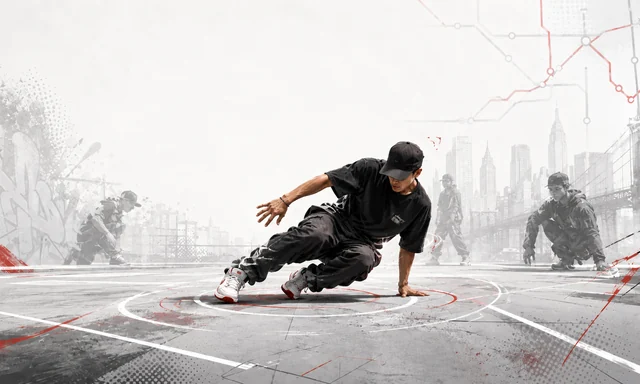
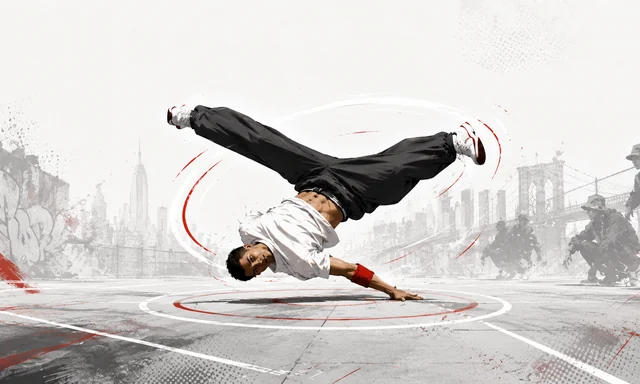
Breaker doing a headspin in a New York inspired sports layout

אנציקלופדיית ברייקינג

חיפוש באנציקלופדיה

Type a term like headspin, 6-step, cypher, burn, b-boy or kids.

עיון לפי נושא

כל קטגוריה מתחברת למדריך Breaking המתאים, כך שעמוד השאלות תומך בכל אזור ה-Breaking של StreetDance.com.

Original breaking breaking basics for StreetDance.com
התחילו כאן

יסודות Breaking

Core answers about breaking, breakdance, b-boys, b-girls, breakbeats and hip-hop culture.

20 questions
Original breaking foundation for StreetDance.com
קודם תרבות

Foundation

Rhythm, balance, body control, movement vocabulary and the building blocks behind the dance.

16 questions
Original breaking toprock for StreetDance.com
סגנון בעמידה

Toprock

Upright movement, rhythm, posture, musicality and how breakers enter a round.

9 questions
Original breaking go-downs & entries for StreetDance.com
כניסה ל-floor

Go-downs ו-Entries

Drops, entries, sweeps and transitions from standing to floorwork.

9 questions
Original breaking footwork for StreetDance.com
Floor foundation

Footwork

6-step, 2-step, CCs, Zulu Spin, kick-outs, threads, hooks and floor control.

15 questions
Original breaking freezes for StreetDance.com
Control ו-impact

Freezes

Baby freeze, chair freeze, airchair, headstand, handstand and freeze combinations.

11 questions
Original breaking power moves for StreetDance.com
Momentum

Power Moves

Windmills, backspins, headspins, flares, halos, 1990s, 2000s, crickets and jackhammers.

15 questions
Original breaking style & originality for StreetDance.com
קול אישי

Style ו-Originality

How breakers build individuality, creativity, character and a signature movement identity.

12 questions
Original breaking musicality for StreetDance.com
Beat connection

Musicality

Timing, accents, beat kills, pauses, rhythm changes and moving with the music.

10 questions
Original breaking battles for StreetDance.com
Competition

Battles

Rounds, sets, crew battles, judging, strategy, crowd response and Seven to Smoke.

17 questions
Original breaking gestures for StreetDance.com
שפת battle

Gestures

Call-outs, burns, mocking, repeat gestures, pointing and non-verbal battle communication.

17 questions
Original breaking cyphers for StreetDance.com
Circle energy

Cyphers

Cypher awareness, floor control, etiquette and how dancers enter and leave the circle.

10 questions
Original breaking crews & community for StreetDance.com
Lineage

Crews ו-Community

Crews, mentorship, oral history, respect, representation and each one teach one.

14 questions
Original breaking events for StreetDance.com
Jams & comps

Events

Jams, sessions, workshops, showcases, qualifiers, prelims, finals and battle brackets.

9 questions
Original breaking learning breaking for StreetDance.com
Beginner path

ללמוד Breaking

Practice tips, shoes, safety, injury prevention, beginner mistakes and learning at home.

10 questions
Original breaking kids & parents for StreetDance.com
Safe learning

Kids ו-Parents

Child-friendly breaking, parent support, safe progression, rhythm games and confidence.

6 questions
Original breaking culture & future for StreetDance.com
Archive

Culture ו-Future

Preservation, documentation, cultural protection, life skills and the future of breaking.

11 questions

התחילו כאן

יסודות Breaking

Core answers about breaking, breakdance, b-boys, b-girls, breakbeats and hip-hop culture.

Related guide: Breaking Hub →

Breaking הוא ריקוד וצורת אמנות תרבותית שהתפתחה בתוך hip-hop culture. הוא משלב rhythm, musicality, toprock, go-downs, footwork, freezes, power moves, transitions, style וביטוי עצמי.

Breaking קורה בתוך cypher, battles, jams, sessions ו-showcases. התרבות בנויה סביב breakbeats, originality, foundation, timing, control, creativity ו-respect.

Breakdance הוא השם הפופולרי שאנשים רבים משתמשים בו כדי לתאר breaking. המונח התפרסם במיוחד בסוף שנות ה-70 ובשנות ה-80 דרך מדיה, טלוויזיה, סרטים וקידום אירועים.

בתוך התרבות, הרבה רקדנים מעדיפים את המילה “breaking”, כי היא מחוברת יותר לשפת ה-scene, למוזיקה ולאופן שבו b-boys ו-b-girls תיארו את הריקוד שלהם. יחד עם זאת, “breakdance” עדיין נפוץ בקרב הציבור, promoters, מדיה ואנשים מחוץ ל-scene.

בדרך כלל breaking ו-breakdance מתייחסים לאותו ריקוד, אבל יש ביניהם הבדל תרבותי. “Breaking” הוא המונח הנפוץ יותר בתוך התרבות, בעוד “breakdance” הוא מונח mainstream שהתפשט דרך המדיה.

בחלק מה-context של ה-scene, “breakdancer” יכול לפעמים לתאר מישהו שמתמקד בעיקר ב-tricks או power moves. לעומת זאת, b-boy, b-girl או breaker בדרך כלל מחוברים יותר למוזיקה, foundation, culture ו-battle tradition.

הרבה רקדנים משתמשים במילה “breaking” כי היא מונח מדויק יותר בתוך התרבות. היא מכבדת את ה-roots של הריקוד, את המוזיקה, DJs, cypher ואת השפה של b-boys, b-girls ו-breakers.

“Breakdancing” הוא מונח מוכר לציבור, במיוחד מהתקופה שבה הריקוד נכנס ל-mainstream media. גם “b-boying” הוא מונח שמשתמשים בו בתוך התרבות כדי להדגיש את ה-hip-hop context המקורי.

Breaker הוא אדם שרוקד breaking. זהו gender-neutral term שיכול לכלול b-boys, b-girls וכל רקדן שמשתתף ב-cyphers, battles, jams, performances, workshops ו-practice sessions.

B-boy הוא breaker גבר שמייצג את breaking culture. ב-cypher או battle הוא מציג rhythm, foundation, style, character, musicality ו-presence.

B-girl היא breaker אישה שמייצגת את breaking culture. ב-cypher או battle היא מציגה rhythm, foundation, style, character, musicality ו-presence.

Breakbeat הוא חלק במוזיקה שבו drums, percussion או groove בולטים יותר. Breaking התפתח כאשר רקדנים הגיבו ל-breaks בתוך המוזיקה.

השם breaking קשור לריקוד על ה-break section של התקליט. DJs האריכו את הקטעים האלה כדי שרקדנים יוכלו להיכנס ל-floor, לזוז, להתבטא ולעשות battle יותר זמן.

מונח נוסף שקשור ל-breaking הוא b-boying, שגם הוא משמש הרבה אנשים בתוך התרבות.

כן. Breaking הוא אחד מצורות הריקוד המוכרות ביותר בתוך hip-hop culture. הוא מתואר לעיתים קרובות כאחד ה-core elements של hip-hop יחד עם DJing, MCing ו-graffiti.

Breaking יכול להיות שלושתם. אבל בתוך התרבות הוא קודם כל ריקוד וצורת אמנות תרבותית. Battles ו-competitions מוסיפים אלמנט ספורטיבי, בעוד style, character וביטוי עצמי הופכים אותו לאמנות.

האלמנטים המרכזיים של breaking הם toprock, go-downs או entries, footwork, freezes, power moves, transitions, musicality, style, originality ו-battle awareness.

Breaking מיוחד כי הוא מחבר dance, music, creativity, competition וביטוי עצמי. הוא כולל movement שמושפע מ-streetdance, martial arts, gymnastics, acrobatics ו-social dance, אבל יש לו culture, vocabulary, rhythm ו-values משלו.

Breaking הוא לא רק moves קשים. מה שחשוב הוא איך הרקדן משתמש ב-music, style, foundation, originality ו-presence כדי להראות מי הוא.

Breaking התחיל בתוך street ו-community dance culture, והיה קשור ל-DJs, breakbeats, block parties, cyphers וליצירתיות של צעירים.

Breaking התפתח חזק ב-Bronx, New York City בשנות ה-70, בזמן שה-hip-hop culture נוצרה. DJs כמו Kool Herc האריכו את ה-break section בתקליטים כדי שרקדנים יוכלו לזוז, לעשות battle ולהתבטא יותר זמן. B-boys ו-b-girls רקדו על ה-breaks האלה, והריקוד נודע כ-breaking.

Breaking קשור הכי חזק ל-New York City של שנות ה-70, במיוחד ל-Bronx, בזמן שה-hip-hop culture גדלה.

Breaking לא נוצר על ידי אדם אחד. הרבה dancers, DJs, crews, communities ו-local scenes עיצבו את התרבות יחד לאורך זמן.

Breaking הפך לפופולרי כי הוא היה מרגש, יצירתי, תחרותי ונגיש. רקדנים לא היו צריכים ציוד יקר כדי להתחיל. DJ, music, floor ו-community יכלו ליצור cyphers, battles ו-jams.

Breaking התפשט דרך crews, films, television, international events, workshops, tours והאנרגיה של רקדנים ששיתפו את התרבות בעולם.

כן. כל אחד יכול להתחיל ללמוד breaking, אבל צריך patience, safe training, respect לתרבות, הבנה של music ואם אפשר guidance מרקדן מנוסה.

Breaking יכול להיות מאתגר כי הוא דורש rhythm, coordination, strength, flexibility, creativity ו-body control. Beginners צריכים להתחיל מ-history, music, foundation steps ו-safe movement, ולא למהר ל-advanced moves.

למידה מ-active practitioner, mentor או dancer מנוסה יכולה לעזור ל-beginners לגדול נכון ובטוח.

הזמן ללמוד breaking תלוי ב-age, health, physical background, training regularity, coaching ו-goals אישיים. Basic movements אפשר ללמוד תוך כמה חודשים, אבל פיתוח style, musicality, confidence ו-battle experience דורש שנים של practice.

קודם תרבות

Foundation

Rhythm, balance, body control, movement vocabulary and the building blocks behind the dance.

Related guide: Beginners →

Foundation הוא הבסיס של movement, rhythm, control, technique ו-cultural knowledge שתומך בהתפתחות של breaker. הוא נותן משמעות ומבנה ל-advanced movement כך שהוא לא יהיה רק טכניקה אלא dance.

Foundation מלמד history, cultural values, rhythm, balance, coordination, control, movement vocabulary ואיך לפתח style אישי מתוך basic principles.

Foundation חשוב כי הוא ה-ABC של breaking. הוא נותן לרקדן את ה-building blocks הדרושים כדי להבין dance, music ו-culture.

בלי foundation, advanced movements יכולים להיראות מנותקים מ-rhythm, style ומהמשמעות של breaking.

Movement vocabulary הוא אוסף של steps, patterns, freezes, transitions, gestures ו-concepts ש-breaker יכול להשתמש בהם כדי להביע ideas בתוך breaking.

Flow הוא האופן שבו dancer מחבר movements ו-transitions בצורה טבעית וחלקה. Flow טוב גורם ל-round להרגיש כאילו idea אחד מוביל לאחר בצורה מכוונת.

Flow מלמד connection, timing, transition control ואיך לעבור באופן טבעי בין levels, directions ו-movement categories.

Rhythm הוא timing, pulse ו-pattern שמחברים movement למוזיקה. ב-breaking, rhythm מוביל את toprock, footwork, freezes, transitions ו-battle energy.

Rhythm מלמד את הרקדן להקשיב למוזיקה, לזוז לפי timing, לשלוט ב-speed ולחבר את body ל-music.

Timing הוא היכולת להגיב לסיטואציה ולתפוס את הרגע המדויק שבו music accent, move, freeze, gesture או transition נראים טבעיים.

Timing מלמד patience, listening, musical awareness ואיך ליצור impact דרך רגע של תנועה או עצירה.

Coordination היא היכולת להשתמש בכמה חלקי גוף בו-זמנית וב-control.

Coordination מלמד body awareness, balance, movement control ואיך לחבר steps, transitions ו-freezes.

Balance הוא היכולת לשלוט ב-body weight וב-body position בזמן movement, level changes או shape.

Balance מלמד stability, confidence, control ואיך לזוז בבטחה וביציבות בתוך freezes, footwork ו-transitions.

Body control הוא היכולת לשלוט במודע ב-movement, weight, direction, speed ו-stopping points.

Body control מלמד precision, clean execution ואיך לגרום ל-difficult movements להיראות מכוונים וברורים.

סגנון בעמידה

Toprock

Upright movement, rhythm, posture, musicality and how breakers enter a round.

Related guide: Moves →

Toprock הוא ה-standing section של breaking. הוא נעשה בעמידה ומראה rhythm, posture, style, confidence וחיבור למוזיקה.

Toprock מלמד rhythm, timing, posture, musicality, confidence, direction changes ואיך להתחיל dance לפני שנכנסים ל-floor.

Toprock חשוב כי הוא מציג ראשון את ה-style, musicality ו-presence של dancer. הוא קובע את ה-mood וה-direction של ה-round לפני footwork, freezes או power moves.

Toprock steps נפוצים כוללים Indian step, cross step, salsa step, kick step ועוד standing rhythmic movements שמשמשים לביטוי style.

Rocking הוא older dance form ו-battle expression שקשור ל-rhythm, style, gestures ו-musical interpretation. הוא השפיע על חלק מה-standing language וה-attitude של breaking.

Uprock הוא competitive dance style שמשתמש ב-steps, gestures ו-battle communication. הוא קשור ל-breaking אבל יש לו vocabulary, history ו-cultural identity משלו.

Toprock הוא ה-standing section בתוך breaking. Uprock הוא dance ו-battle form נפרד. הם יכולים לשתף energy ו-gesture, אבל history ו-vocabulary שלהם שונים.

Toprock מראה style דרך posture, rhythm, attitude, direction, arm movement, foot placement, musical accents ו-personal character.

Toprock מראה musicality על ידי הקשבה ל-drums, accents, pauses, melodies ושינויים במוזיקה בזמן עמידה ותגובה אליהם.

כניסה ל-floor

Go-downs ו-Entries

Drops, entries, sweeps and transitions from standing to floorwork.

Related guide: Moves →

Go-down הוא transition מ-standing movement אל floor. הוא מחבר toprock ל-footwork, freezes או power moves.

Go-down מלמד transition control, balance, timing, body placement ואיך לעבור באופן טבעי מ-standing ל-floor.

Entry הוא האופן שבו breaker נכנס ל-dance floor או מתחיל round. הוא יכול להיות simple, stylish, explosive, musical או strategic.

Entry מלמד timing, confidence, level change, flow ואיך להתחיל round בכוונה ברורה.

Entries חשובים כי הם מחברים standing movement ל-floor movement. Entry נקי גורם לכל ה-round להיראות complete ו-controlled.

Drop הוא movement שבו dancer יורד במהירות מ-standing אל floor. לפי control, timing ו-style הוא יכול להיראות simple או dramatic.

Knee drop הוא entry שבו יורדים לכיוון ברך אחת או שתיים תוך שליטה ב-impact וב-rhythm.

Sweep entry משתמש בתנועת sweeping של הרגל כדי לעבור מ-standing או crouching position ל-floorwork.

Spin entry הוא כניסה ל-floor באמצעות rotation, ויכול להתחבר ל-footwork, backspin או rotating movements אחרים.

Floor foundation

Footwork

6-step, 2-step, CCs, Zulu Spin, kick-outs, threads, hooks and floor control.

Related guide: Moves →

Footwork הוא אחד ה-core foundations של breaking. משתמשים ב-hands ו-feet כדי לזוז על floor תוך שמירה על rhythm, balance, control, direction ו-style.

Footwork מלמד coordination, timing, agility, balance, floor awareness, patterns ו-movement control. הוא בונה foundation ל-movement מורכב יותר.

Footwork חשוב כי הוא foundation מייצג של breaking. הוא מראה rhythm, control, flow, originality ו-floor connection של dancer.

6-step הוא foundational footwork pattern שבו breaker משתמש ב-hands ו-feet כדי לנוע במעגל. Beginners רבים לומדים אותו כדי להבין floorwork structure.

2-step הוא basic footwork pattern שמורכב משני steps מרכזיים. הוא עוזר לתרגל direction change, speed change ו-simple transition.

3-step הוא footwork pattern שמורכב משלושה steps מרכזיים, ומשמש לתרגול rhythm, direction ו-body placement.

CC הוא foundational footwork move שמשתמש ב-leg kick ו-hip movement. הוא טוב להראות rhythm, shape, style ו-floor control.

Zulu Spin הוא movement שמחבר rotation ו-footwork על floor. הוא עוזר ללמוד direction, spin control ו-flow בתוך breaking foundation.

Coffee grinder הוא floor move שבו רגל אחת עושה circular sweep והגוף עובר מעליה או נמנע ממנה. זה basic movement לתרגול rhythm ו-leg control.

Kick-out הוא footwork movement שבו הרגל נבעטת או נמתחת החוצה. אפשר להשתמש בו ל-shape, accent, speed change ו-transition.

Thread הוא movement concept שבו חלק מהגוף נראה כאילו הוא עובר בין הידיים או הרגליים. הוא יכול ליצור original shapes בתוך footwork ו-freezes.

Hook הוא footwork idea שבו משתמשים ברגל או בכף הרגל כדי לתפוס או לעטוף וליצור movement, transition או shape. הוא משמש ל-control ו-direction change.

Floorwork כולל כל movement שבו dancer משתמש ב-hands, feet, hips, knees, shoulders וחלקי גוף אחרים על floor.

Advanced footwork בנוי על basic footwork, אבל מוסיף own originality, input, rhythm, direction changes, speed changes, threads, levels ו-complex transitions.

זה לא רק steps קשים יותר, אלא איך breaker משתמש ב-foundation כדי לפתח style ו-movement language משלו.

Original footwork נוצר כאשר rhythm, direction, timing, shape, transition, level change ו-personal character נראים יחד. חשוב יותר לחבר את ה-steps בדרך אישית מאשר רק לזכור אותם.

Control ו-impact

Freezes

Baby freeze, chair freeze, airchair, headstand, handstand and freeze combinations.

Related guide: Moves →

Freeze הוא רגע שבו dancer עוצר movement בתוך shape או position מסוים. הוא יכול להראות music accent, control, strength ו-impact.

Freeze מלמד balance, strength, timing, body control, confidence והיכולת לתפוס רגע מוזיקלי במדויק.

Freezes מוסיפים punctuation ו-impact ל-round. כשהעצירה מחוברת ל-music, battle response ו-style, היא משאירה רושם חזק.

Baby freeze הוא foundational freeze ש-beginners לומדים לעיתים קרובות. משתמשים ב-hands, elbows, head או shoulder support כדי להחזיק body shape יציב.

Chair freeze הוא freeze שבו הגוף נעצר ב-shape מוטה כמו chair. Shoulder, arm ו-core control חשובים.

Airchair הוא advanced freeze שמשתמש ב-one-arm support ו-body balance. הוא דורש strength, flexibility ו-control.

Headstand freeze הוא freeze שבו מחזיקים upside-down position בעזרת head ו-hands או body alignment. Safe technique ו-neck awareness חשובים.

Handstand freeze הוא freeze שבו מחזיקים את הגוף על hands. הוא מציג balance, shoulder strength, body line ו-control.

Hollowback freeze הוא advanced freeze שמדגיש back arch ו-shoulder flexibility. הוא דורש safe training ו-control מספיק.

Signature freeze הוא freeze ש-breaker מסוים נודע בו בגלל style, shape או timing שלו. הוא יכול להראות individuality ו-identity.

Freeze combination הוא חיבור של כמה freezes ברצף. לא רק strength חשוב, אלא גם transition, timing, musicality ו-clean control.

Momentum

Power Moves

Windmills, backspins, headspins, flares, halos, 1990s, 2000s, crickets and jackhammers.

Related guide: Moves →

Power move הוא dynamic movement category שמשתמש ב-spin, rotation, momentum, strength, speed ו-flexibility. Windmills, flares ו-headspins כלולים בזה.

Power move מלמד momentum, timing, strength, endurance, discipline ו-control.

Power moves הם חלק מ-breaking ומראים strength, body control, discipline ו-dynamic energy. כשהם מחוברים ל-music, foundation ו-clean transitions, הם מוסיפים difficulty ו-excitement ל-round.

Windmill הוא power move מייצג שבו משתמשים ב-shoulders, back ו-hips כדי להמשיך rotation עם legs פתוחות. Momentum, timing ו-body shape חשובים.

Backspin הוא foundational spin שבו dancer מסתובב על הגב.

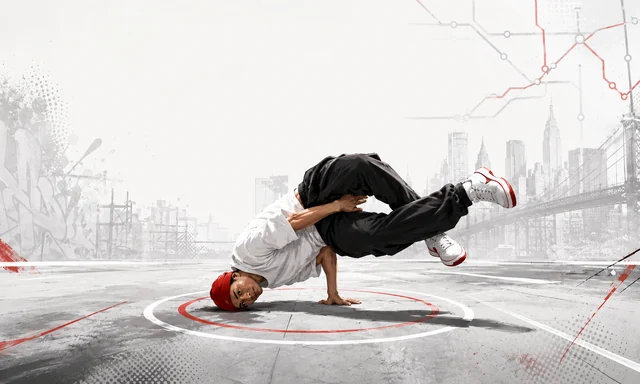
Headspin הוא power move שבו dancer מסתובב על הראש.

Flare הוא power move שבו legs פתוחות ו-hands תומכות בגוף בזמן circular movement. הוא קשור גם ל-pommel horse movement ב-gymnastics.

Swipe הוא dynamic power movement שבו משתמשים ב-hands ו-feet כדי לסובב את body. Timing, shoulder strength ו-hip lift חשובים.

Halo הוא advanced power move שבו body יוצר circular rotation סביב head, shoulders ו-upper back. צריך control ו-safe technique.

Airtrack או airflare הוא advanced power move שבו משתמשים ב-hands לסירוגין וה-body מסתובב באוויר. הוא דורש strength, timing ו-confidence חזקים.

1990 הוא power move שבו body מסתובב ב-one-hand handstand position. Balance, shoulder strength ו-spin control חשובים.

2000 הוא power move שבו body עושה vertical spin מתוך two-hand או handstand position. צריך strong core, balance ו-wrist control.

Jackhammer הוא advanced power move שבו body עושה bounce או rotate עם one-hand או arm support. Strength, rhythm ו-precise weight shift חשובים.

Turtle הוא movement או freeze base שבו elbows ו-hands משמשים support לשליטה ב-body weight. הוא יכול להיות foundation ל-handglide ו-jackhammer.

Clean power moves נוצרים מ-control, strong shape, smooth rotation, safe landing, musical timing ו-transition טבעי ל-movement אחר.

קול אישי

Style ו-Originality

How breakers build individuality, creativity, character and a signature movement identity.

Related guide: B-Boy & B-Girl →

Style הוא הדרך שבה breaker מבטא movement בצורה אישית. אותו step יכול להיראות שונה לגמרי לפי posture, rhythm, attitude ו-details.

Style מלמד individuality, choice, confidence, musical interpretation ואיך להפוך foundation לשפה אישית.

Style מבדיל breaker מאחרים. ב-breaking חשוב לא רק מה עושים, אלא איך מבטאים את זה.

Originality היא היכולת לא copy מישהו אחר ישירות, אלא לפתח idea, rhythm, transition, character ו-shape אישיים.

Creativity היא היכולת לחבר movement, music, space ו-battle response בדרכים חדשות. ב-breaking היא חלק חשוב מ-style ו-originality.

Creativity מלמדת exploration, risk-taking, adaptability והיכולת ליצור movement idea אישי.

Character הוא ה-personality, attitude, mood ו-presence ש-dancer מראה בתוך movement.

Individuality היא העובדה ש-breaker רוקד עם style, choices, rhythm, ideas ו-identity משלו.

Self-expression הוא האופן שבו dancer מראה energy, story, emotion, attitude ו-identity דרך movement.

Signature style הוא movement identity כללי שמאפשר לזהות dancer מסוים. Rhythm, shape, transitions, attitude ו-musical choices יוצרים אותו יחד.

Beat connection

Musicality

Timing, accents, beat kills, pauses, rhythm changes and moving with the music.

Related guide: Music →

Musicality היא היכולת של dancer להקשיב למוזיקה ולפרש אותה דרך movement. היא כוללת תגובה ל-drums, breaks, accents, pauses, melody ו-energy change.

Musicality מלמדת listening, timing, patience, rhythm control ואיך לחבר movement ל-music.

עם musicality, movement לא נראה כמו sequence בלבד אלא כמו שיחה עם music. ב-breaking חשוב להבין beat ו-groove.

Hit the beat פירושו למקם movement, freeze או gesture בדיוק על beat, drum, accent או break מסוים במוזיקה.

Marker הוא movement או gesture שבו dancer מסמן רגע מסוים ב-music, space או מול opponent. Accent, pause, point או freeze יכולים לשמש marker.

Beat kill הוא רגע שבו dancer תופס musical accent חזק בדיוק ויוצר impact גדול. אפשר לבטא אותו דרך freeze, drop, spin או gesture.

Pause הוא רגע של עצירה מכוונת בין movements. עם timing ו-control טובים, pause יוצר musicality ו-tension.

Accent הוא beat, sound או change שמורגש חזק יותר במוזיקה. Breaker יכול לבטא accent עם movement, freeze או gesture.

Rhythm change הוא שינוי של speed, timing, pattern או energy. הוא יכול להיות תגובה לשינוי במוזיקה או להוסיף surprise ל-round.

Dancers מראים musicality על ידי הקשבה ל-beat, תפיסת accents, שימוש ב-pauses, שינוי speed והצבת freezes ו-gestures על רגעים מוזיקליים.

Competition

Battles

Rounds, sets, crew battles, judging, strategy, crowd response and Seven to Smoke.

Related guide: Battles →

Battle הוא competitive exchange שבו solo dancers או crews רוקדים בתורות בתוך rounds.

Battle מלמד confidence, strategy, focus, pressure control, improvisation, respect ויכולת לקרוא opponent.

Breakers עושים battle כדי לבדוק skill, style, originality, musicality ו-courage, לאתגר אחד את השני ולקבל respect בתוך culture.

Battles נשפטים בדרך כלל לפי musicality, foundation, originality, execution, difficulty, style, battle response ו-overall performance. הקריטריונים יכולים להשתנות בין events.

Round הוא turn אחד שבו dancer נכנס ל-floor ב-battle או cypher ומראה את ה-set שלו.

Set הוא sequence של movements, transitions, freezes ו-power moves שה-dancer מכין או מאלתר בתוך round.

Battle strategy היא הדרך שבה dancer מתכנן rounds, קורא opponent, מנהל energy ומראה את strengths שלו ברגע הנכון.

Crowd response היא האנרגיה של audience בתגובה ל-movement, musical moment, battle response או dramatic action. זה יכול להופיע כ-cheers, noise או gestures.

Tie breaker הוא מצב שבו התוצאה קרובה מאוד ומוסיפים round כדי לקבוע winner.

Winning round נוצר משילוב של strong foundation, clean execution, musicality, originality, battle response, confidence ו-clear ending.

Crew battle הוא battle format שבו שתי crews או יותר מחליפות rounds ומתחרות. Team strategy, order, energy ו-chemistry חשובים.

2 vs 2 battle הוא format שבו teams של שני dancers מתחרות. Chemistry, response ו-balance בין שני dancers חשובים.

2 vs 2 battle מלמד partner timing, communication, teamwork, spacing ואיך להשתמש ב-strengths של כל אחד.

1 vs 1 battle הוא format שבו dancer אחד מתחרה ישירות מול dancer אחר. Individual skill, presence ו-strategy בולטים מאוד.

Seven to Smoke הוא format שבו dancers עושים battles רצופים וצוברים points. Dancer אחד יכול להישאר זמן רב ולהתמודד מול כמה opponents.

Seven to Smoke מלמד stamina, pressure control, adaptability, quick strategy ויכולת להגיב לכמה opponents ברצף.

שפת battle

Gestures

Call-outs, burns, mocking, repeat gestures, pointing and non-verbal battle communication.

Related guide: Gestures →

Breaking gestures הם movement language ב-battle או cypher שמשתמש ב-hands, body language, facial expression, pointing, mocking ועוד כדי להעביר message.

Gestures מלמדים communication, timing, attitude, battle response ואיך להעביר message גם בלי movement גדול.

Gestures הופכים battle ל-movement conversation. הם יכולים לקרוא opponent, להראות response, לתקשר עם crowd ולבטא character.

Call out gesture הוא gesture שמזמין opponent או dancer להיכנס ל-floor או מאתגר אותו. הוא יכול להיות respectful או להיראות aggressive.

Burn gesture משמש להראות ש-dancer התגבר על opponent או הציג את אותו idea בצורה חזקה יותר. זה חלק מ-battle language בתוך culture.

Call out הוא gesture שמזמין או מאתגר opponent. Burn הוא battle message שמראה שה-move או idea של opponent נעשה חזק יותר, קל יותר או מורכב יותר.

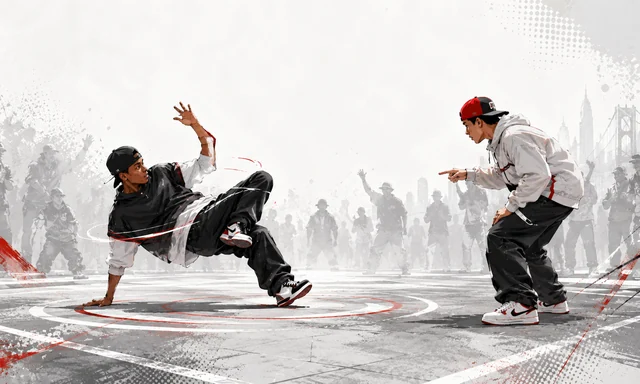
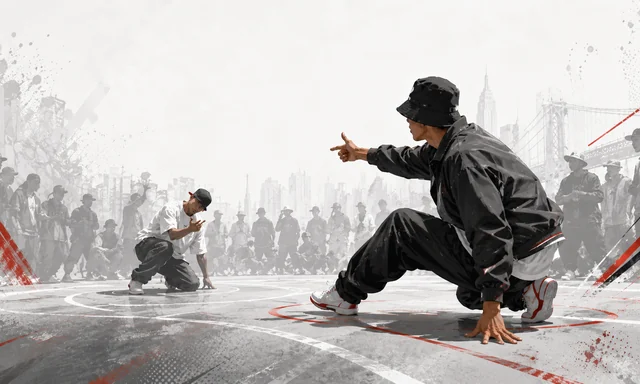
להצביע על opponent יכול לסמן challenge, response, attention או direct battle communication. Context ו-attitude חשובים.

Gesture שמצביע על האוזן יכול לומר לשמוע את המוזיקה, להראות שה-opponent פספס beat, או להדגיש musicality.

להצביע על floor יכול להיות בקשה או challenge ל-opponent לרקוד ולהוכיח את עצמו על floor.

Repeating gesture יכול להעביר message שה-opponent חוזר על אותו move או idea. ב-battle זה יכול להיות comment על originality או variety.

Crowd interaction הוא האופן שבו dancer קורא את audience energy ומתקשר עם crowd דרך gestures, eye contact, humor, timing או dramatic moments.

כן. Gestures לבד לא מנצחים battle, אבל עם timing ו-context טובים הם יכולים לחזק presence, confidence ו-battle communication.

Gestures תלויים ב-context. ב-breaking battle יש challenge ו-attitude, אבל צריך respect ל-culture ול-opponent.

Gesture טוב הוא clear, musical ומתאים ל-context, והוא מחזק את character וה-battle response של dancer. אם הוא forced או disrespectful, האפקט יכול להיחלש.

Mocking הוא לצחוק על opponent או לחקות movement, mistake או attitude שלו כ-battle message. זה יכול להיות playful או disrespectful לפי context.

Burn יכול להיות לנצח opponent ב-challenge על ידי ביצוע אותו movement בצורה קלה יותר, clean יותר או complex יותר. Burn יכול גם להיות פציעת עור מחיכוך עם floor, במיוחד ב-windmills, headspins ו-backspins.

Burn מלמד battle awareness, timing, confidence, risk ואיך להגיב ל-idea של opponent. Physical burn גם מלמד על חשיבות clothing ו-training surface בטוחים.

Circle energy

Cyphers

Cypher awareness, floor control, etiquette and how dancers enter and leave the circle.

Related guide: Battles →

Cypher הוא circle של dancers שבו נכנסים למרכז ורוקדים. זהו core space של breaking culture, עם דגש על exchange, style, identity, originality ו-respect.

Cypher מלמד improvisation, confidence, respect, timing, community awareness ויכולת להגיב לאחרים.

Cyphers הם core space שבו breaking משתף, מתרגל, מאתגר וחוגג את עצמו. גם בלי battle, יש exchange ו-learning.

Cypher awareness היא היכולת לקרוא את ה-space, energy, timing, people ו-flow בתוך circle ולהבין מתי להיכנס.

Cypher awareness מלמד respect, patience, timing, spatial awareness ואיך להשתתף בלי להפריע ל-flow של circle.

Floor control הוא היכולת להשתמש ב-dance space עם awareness, direction, safety ו-intention.

Floor control מלמד spatial awareness, movement planning, confidence ואיך לזוז בלי להתנגש באחרים.

Circle etiquette הוא unwritten behavior שמכבד turns, space, music, dancers ו-cypher energy.

נכנסים ל-cypher על ידי קריאת ה-space, המתנה לרגע נכון וכניסה עם confidence ו-respect.

יוצאים מ-cypher אחרי שסיימת את ה-round או ה-set שלך, ונותנים space ל-dancer הבא.

Lineage

Crews ו-Community

Crews, mentorship, oral history, respect, representation and each one teach one.

Related guide: B-Boy & B-Girl →

Dance crew הוא group של dancers שמתאמנים, מופיעים, מתחרים או מייצגים יחד. ב-breaking, crews משתפים knowledge, תומכים אחד בשני ויוצרים community identity.

Crew מלמד teamwork, loyalty, leadership, responsibility, communication ו-mutual support. Shared experience עוזר ל-dancers grow.

Crews חשובים כי הם שומרים knowledge, יוצרים identity, תומכים ב-dancers ומייצגים local או international scenes.

Mentorship הוא קשר שבו dancer מנוסה guide, teach ו-support את הצמיחה של dancer אחר.

Mentorship מלמד knowledge, discipline, history, responsibility ו-respect בין generations.

Lineage הוא chain של influence שמגיע מ-teachers, crews, mentors, local scenes ו-previous generations.

Oral history מלמד מאיפה הגיעו movements, values, battles, people ו-ideas. הוא חשוב להבנת scene knowledge שלא תמיד תועד.

Knowledge עוזר ל-dancers להבין את ה-roots, values, history, music, rules of engagement ו-cultural context של breaking.

Respect הוא להכיר ולכבד music, culture, space, opponent, elders, dancers ו-breaking history.

Respect מלמד humility, awareness, sportsmanship, gratitude ו-responsibility כלפי culture.

Breakers מרוויחים respect דרך practice, originality, contribution, humility, battle presence, knowledge, consistency, community support והדרך שבה הם מתייחסים לאנשים.

Representation הוא להראות מי אתה, מאיפה אתה בא, איזו crew או community עיצבו אותך, ואילו values אתה מביא ל-dance.

Each one teach one אומר ש-knowledge צריך לעבור מאדם לאדם. ב-breaking זה מבטא mentorship, community responsibility והמשכיות של culture.

Jams & comps

Events

Jams, sessions, workshops, showcases, qualifiers, prelims, finals and battle brackets.

Related guide: Battles →

Jam הוא community gathering של music, dancers ו-culture. הוא יכול לכלול cyphers, battles, showcases, DJs, workshops ו-social exchange.

Session הוא practice gathering שבו dancers train, exchange, בונים stamina ומשתפים ideas.

Workshop הוא class או training session שמובל על ידי dancer, teacher או expert. הוא יכול להתמקד ב-technique, culture, musicality או battle skills.

Showcase הוא performance מוכן עבור audience. הוא יכול להיות שונה מ-cypher או battle round מאולתר.

Qualifier הוא event או round שבו dancers מתחרים כדי לעלות ל-battle או competition גדול יותר.

Prelim הוא preliminary round שבו בוחרים dancers או crews לשלב הבא.

Final הוא ה-battle או ה-stage האחרון בתחרות, שבו נקבע winner.

Judge showcase הוא performance קצר שבו judges מציגים את style, credibility ו-signature movements שלהם.

Battle bracket הוא tournament structure שמראה מי מתמודד מול מי ואיך dancers או crews מתקדמים לשלב הבא.

Beginner path

ללמוד Breaking

Practice tips, shoes, safety, injury prevention, beginner mistakes and learning at home.

Related guide: Beginners →

Beginners צריכים להתחיל מ-rhythm, basic toprock, safe go-downs, simple footwork, beginner freezes ו-respect לתרבות.

צריך music, comfortable clothes, sneakers, safe floor space ו-patience. חלק מה-dancers משתמשים ב-knee pads, wrist support או beanies להגנה.

Breaking shoes טובים צריכים להיות comfortable, supportive ו-flexible. הם לא צריכים להידבק מדי ל-floor, אבל כן צריכים מספיק grip.

Practice frequency תלויה ב-level, goals, body ו-schedule. Sessions קצרים אבל consistent עם rest טובים יותר מ-overtraining מזדמן.

ללמוד את ה-art form, ללמוד מ-experienced dancers, לתרגל foundation, להקשיב ל-music, לצלם את עצמך, לקבל feedback ולהשתתף ב-cyphers ו-sessions.

לעשות warm up, לבנות strength בהדרגה, להשתמש ב-safe surfaces, ללמוד correct technique, לנוח כשצריך ולא force advanced moves מוקדם מדי.

כן. אם יש מספיק space ו-safe floor, אפשר להתחיל בבית. אבל רצוי ללמוד גם מ-experienced dancers, classes, workshops ו-cyphers.

זה תלוי ב-goal, אבל רוב beginners צריכים לבנות foundation קודם. Basic power moves כמו backspins או handglides אפשר ללמוד מוקדם, אבל advanced power צריך לגשת אליו בהדרגה.

Mistakes נפוצות הן rushing, דילוג על foundation, copy בלי הבנה, התעלמות מ-music, לא לבנות rhythm וניסיון מוקדם מדי של advanced moves.

כל beginner צריך ללמוד קודם history, rhythm, basic toprock, footwork ו-basic freezes.

Safe learning

Kids ו-Parents

Child-friendly breaking, parent support, safe progression, rhythm games and confidence.

Related guide: Kids →

Breaking יכול לעזור לילדים לפתח coordination, confidence, creativity, discipline, rhythm ו-social interaction.

Breaking יכול ללמד children discipline, coordination, confidence, creativity, teamwork, respect, perseverance ו-self-expression.

Breaking יכול להיות בטוח לילדים עם warm-up, age-appropriate movement, safe surfaces ו-progressive teaching. לא צריך force advanced tricks מוקדם מדי.

Children יכולים להתחיל בגיל צעיר עם rhythm games, basic steps ו-safe movement. Movements קשים צריכים להיכנס בהדרגה לפי body readiness ו-maturity.

Parents צריכים להבין ש-breaking הוא לא רק tricks אלא culture. Teaching טוב כולל safety, music, respect, foundation ו-creativity.

Parents יכולים למצוא safe classes, לעודד practice, לכבד את culture, לתמוך ב-events ולתת לילד זמן grow.

Archive

Culture ו-Future

Preservation, documentation, cultural protection, life skills and the future of breaking.

Related guide: History →

צריך לשמור breaking history כדי ש-dancers יבינו את people, places, music, battles ו-communities שיצרו את culture.

Archives מאפשרים ל-future generations לראות מי יצר את culture, איך style השתנה ואילו moments shaped the scene. הם גם עוזרים להגן על truth מפני misinformation.

Documentation דרך photos, videos, interviews ו-articles עוזר לתעד events, dancers, crews, battles ו-important moments ולבנות archive ל-breaking culture.

העתיד של breaking נעשה professional, organized ו-global יותר. אבל culture, community, music, cyphers, jams ו-local scenes צריכים להישאר במרכז.

Breaking evolved דרך local scenes, international travel, competitions, media, workshops ו-new generations שהוסיפו style משלהם.

אפשר להגן על breaking culture דרך education, credit, documentation, mentorship, respect, community-led storytelling ותמיכה באנשים שיצרו את culture.

Breaking הוא יותר מ-tricks כי הוא כולל music, history, style, cypher culture, battles, respect, creativity ו-community.

Breaking מלמד resilience, confidence, discipline, creativity, teamwork, leadership, patience ויכולת ללמוד מ-mistakes.

Breaking מלמד respect, originality, perseverance, community, knowledge, courage, creativity ו-responsibility.

Breaking חשוב כי הוא אחד ה-core elements שקשורים ל-early development של hip-hop. הוא מייצג dance, rhythm, competition, self-expression, community ו-cypher energy.

אפשר contribute ל-breaking scene דרך training, teaching, organizing, documenting, DJing, events support, mentoring, history preservation ו-respect לתרבות.

DMCA / Copyright & Corrections

We respect copyright and cultural accuracy.

Breaking history is community-based. If you notice a missing credit, cultural correction, terminology issue, scene-history update or copyright concern, contact dmca@streetdance.com.

Read DMCA / Corrections →