Breaking Section / Identity

B-Boy &B-Girl

Identity, culture, rhythm and representation inside breaking.

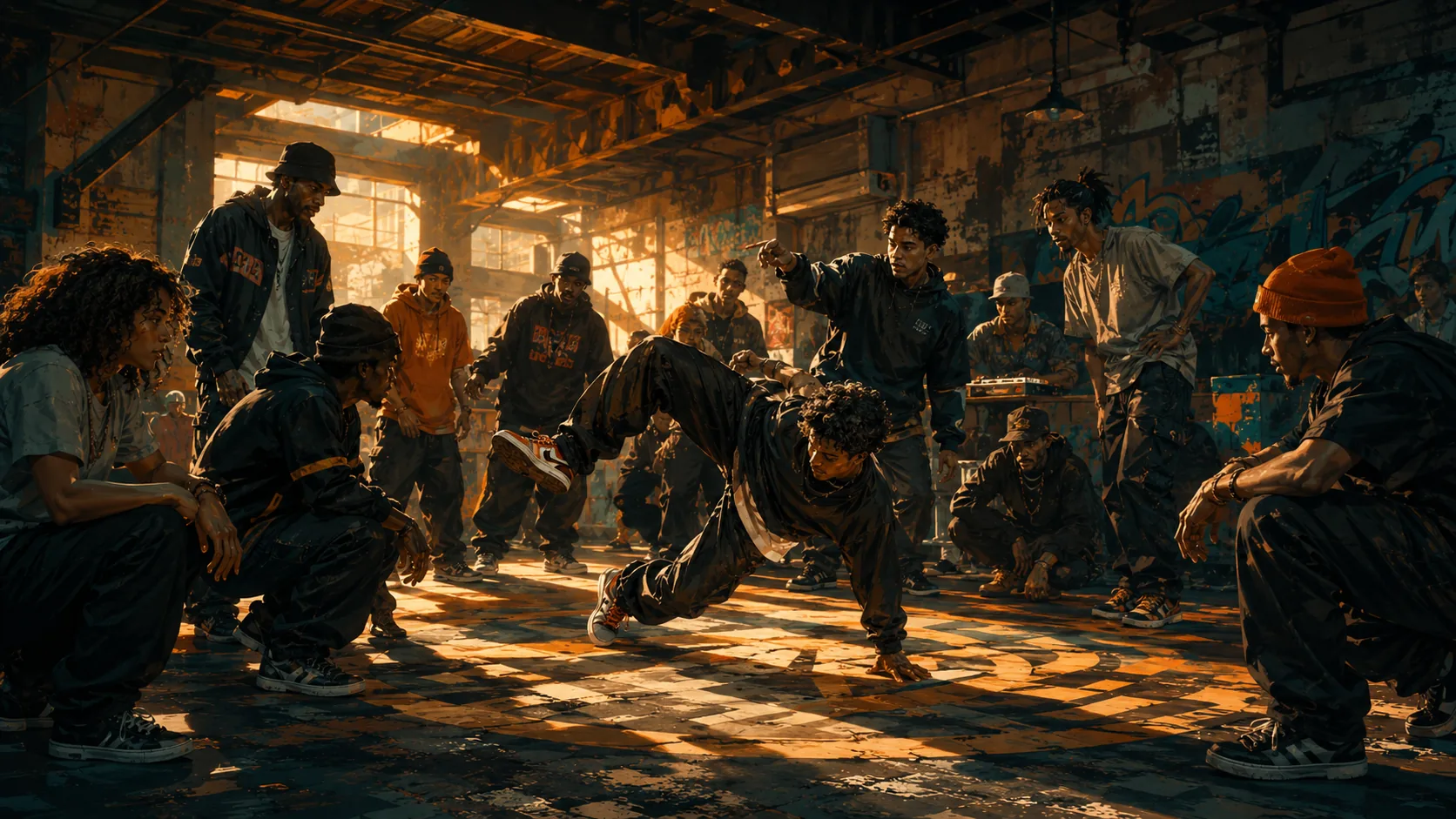
Original editorial illustration of b-boy and b-girl culture

More than labels

B-boy and b-girl are culture terms connected to the break, music, cypher, crew and representation.

Core meaning

Carrying the culture

B-boy and b-girl are not just labels. They describe dancers who carry the culture, rhythm, style, attitude and history of breaking.

A b-boy is the male reference to someone who practices breaking or breakdance. A b-girl is the female reference. These terms come from the culture itself and are connected to the break, the music, the cypher, the crew and the way dancers represent themselves.

Breaking is not only about doing moves. It is about how a dancer listens to the music, enters the floor, shows style, responds in the cypher and carries their own identity.

01

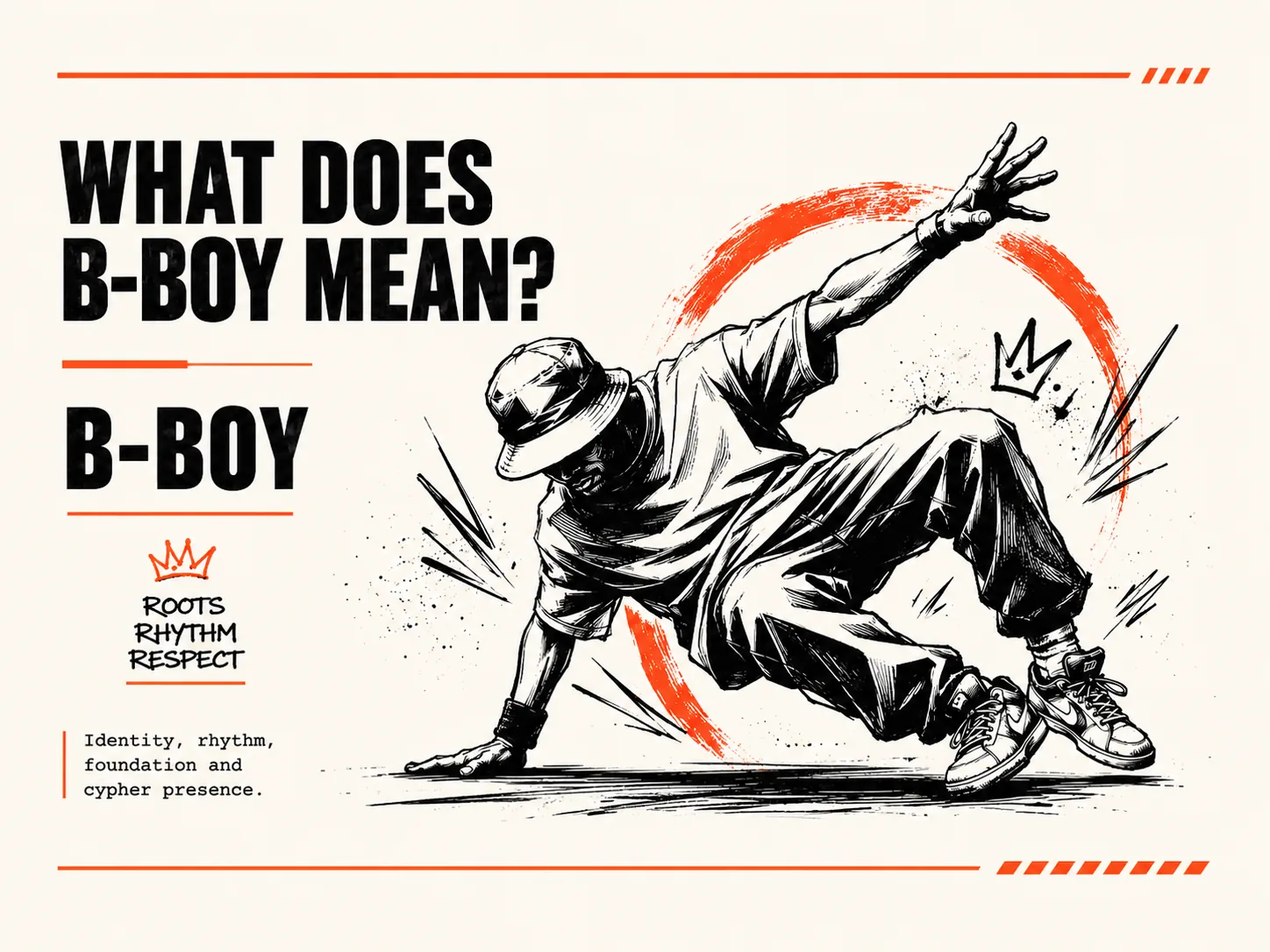
What does B-Boy mean?

Original full visible editorial illustration for what B-Boy means

A b-boy is a male dancer who practices breaking. The term is deeply connected to the break: the part of the music where dancers would come alive and express themselves.

A b-boy is not only someone who can do footwork, freezes or power moves. A real b-boy understands rhythm, foundation, style, originality, respect and cypher energy.

Scene noteA b-boy is not defined only by moves. He is defined by how he carries the culture.
02

What does B-Girl mean?

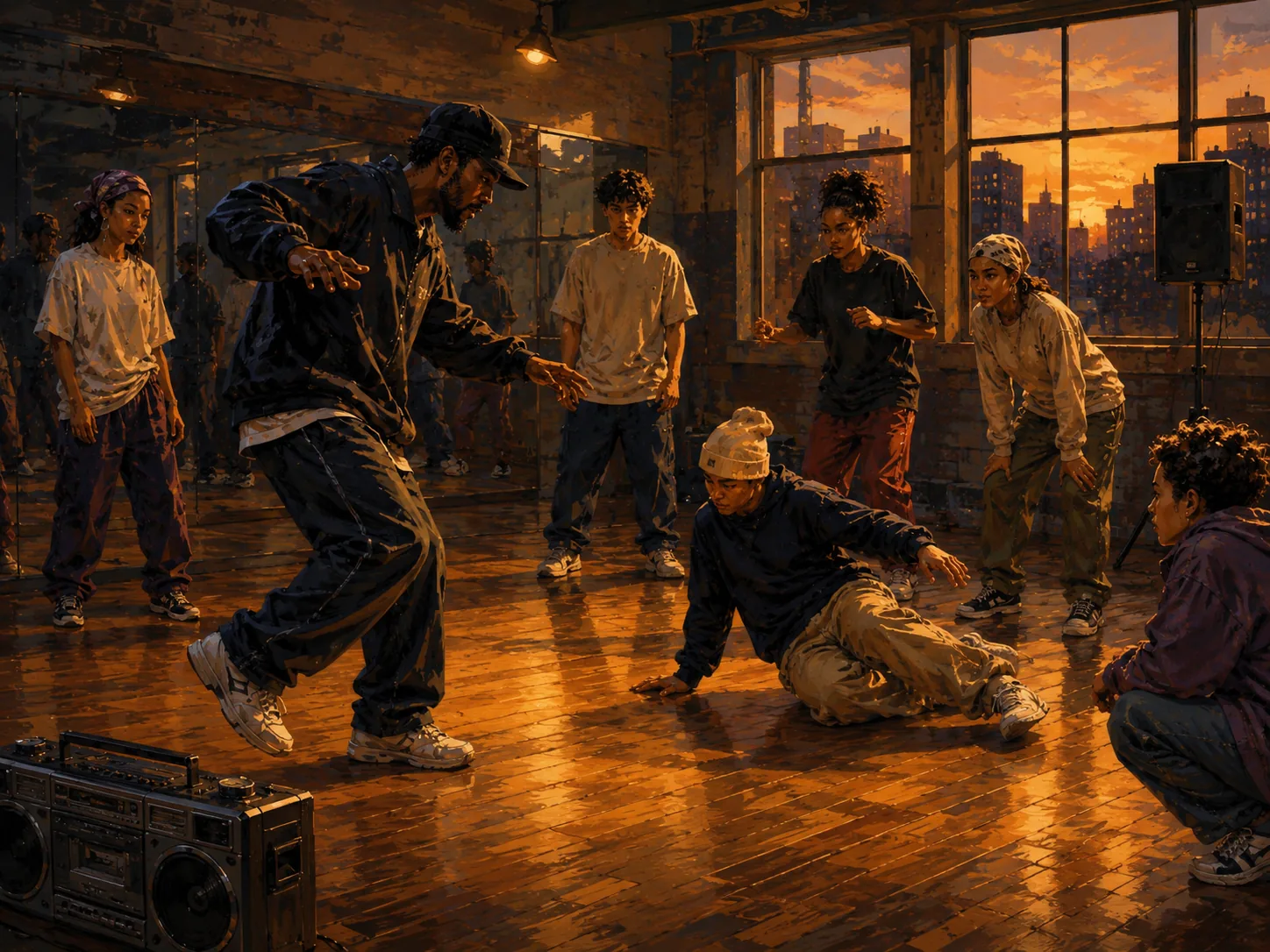
Original full visible editorial illustration for what B-Girl means

A b-girl is a female dancer who practices breaking. Like b-boy, the term comes from the culture and connects the dancer to the break, the music and the cypher.

B-girls have always been part of breaking culture. A b-girl can represent through footwork, toprock, freezes, power, musicality, battle response, style and knowledge.

Scene noteA b-girl carries her own identity, strength, style and voice inside breaking.
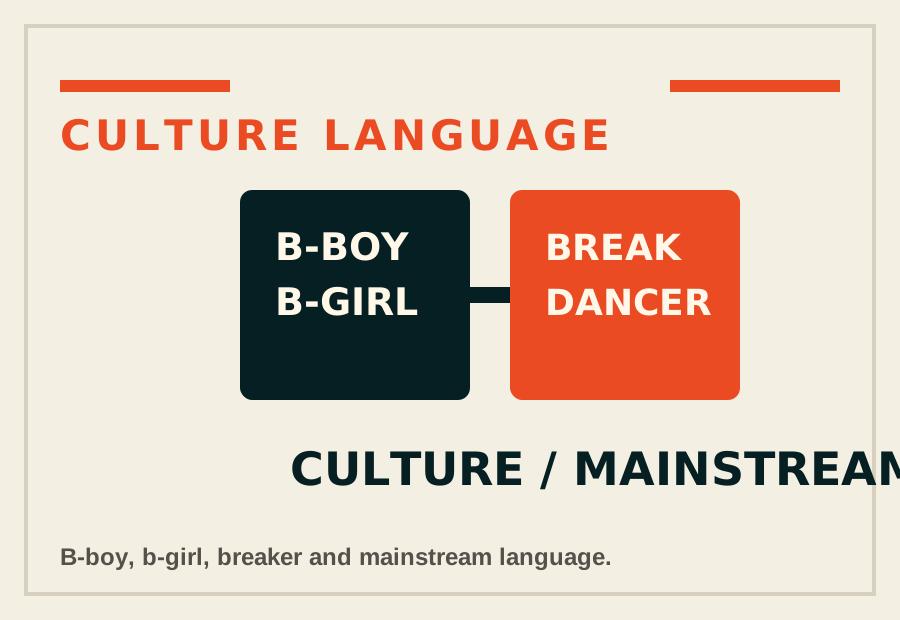
Original illustration comparing culture language and mainstream language

Culture language and mainstream language

“Breakdancer” is the word many people outside the culture know. It became popular through media, films, television and mainstream exposure.

Inside the scene, many dancers prefer the terms b-boy, b-girl or breaker because those words are more connected to the original culture. They describe not only the movement, but also the identity and relationship to the music.

Breakdancermainstream word many people understandB-boy / B-girlculture terms used inside the sceneBreakermodern neutral term for someone who practices breaking

Foundation gives you the language

A b-boy or b-girl builds identity through more than movement. Style comes from rhythm, posture, confidence, gesture, musicality, choices and personality.

Two dancers can do the same move and look completely different. One may be sharp and explosive. Another may be smooth, controlled and musical. Another may use humor, character or footwork detail.

Scene noteFoundation gives you the language. Style is how you speak it.
Original illustration of individual b-boy and b-girl identity and style
Original illustration of cypher identity and reputation

A name becomes part of the story

In breaking, a b-boy or b-girl name becomes part of a dancer’s identity. Some names are given by the community, a crew member, a mentor or another respected person in the scene. Other names come from a dancer’s style, personality, movement, neighborhood, reputation or earlier nickname.

Over time, a name can become connected to how someone moves, battles and represents. A name is not just a tag. It becomes part of a dancer’s story.

You carry more than yourself

Crews are central to breaking culture. A crew is a group of b-boys and b-girls who train, battle and represent together under a shared name and identity.

For many dancers, a crew becomes a second family. It is where knowledge is passed on, where young dancers learn, where battles are prepared and where identity becomes stronger.

Scene noteIn breaking, you represent yourself, but you can also represent your crew, city, country and lineage.
Original illustration of breaking crew representation
Original illustration of b-boys and b-girls showing cypher identity

Where identity becomes visible

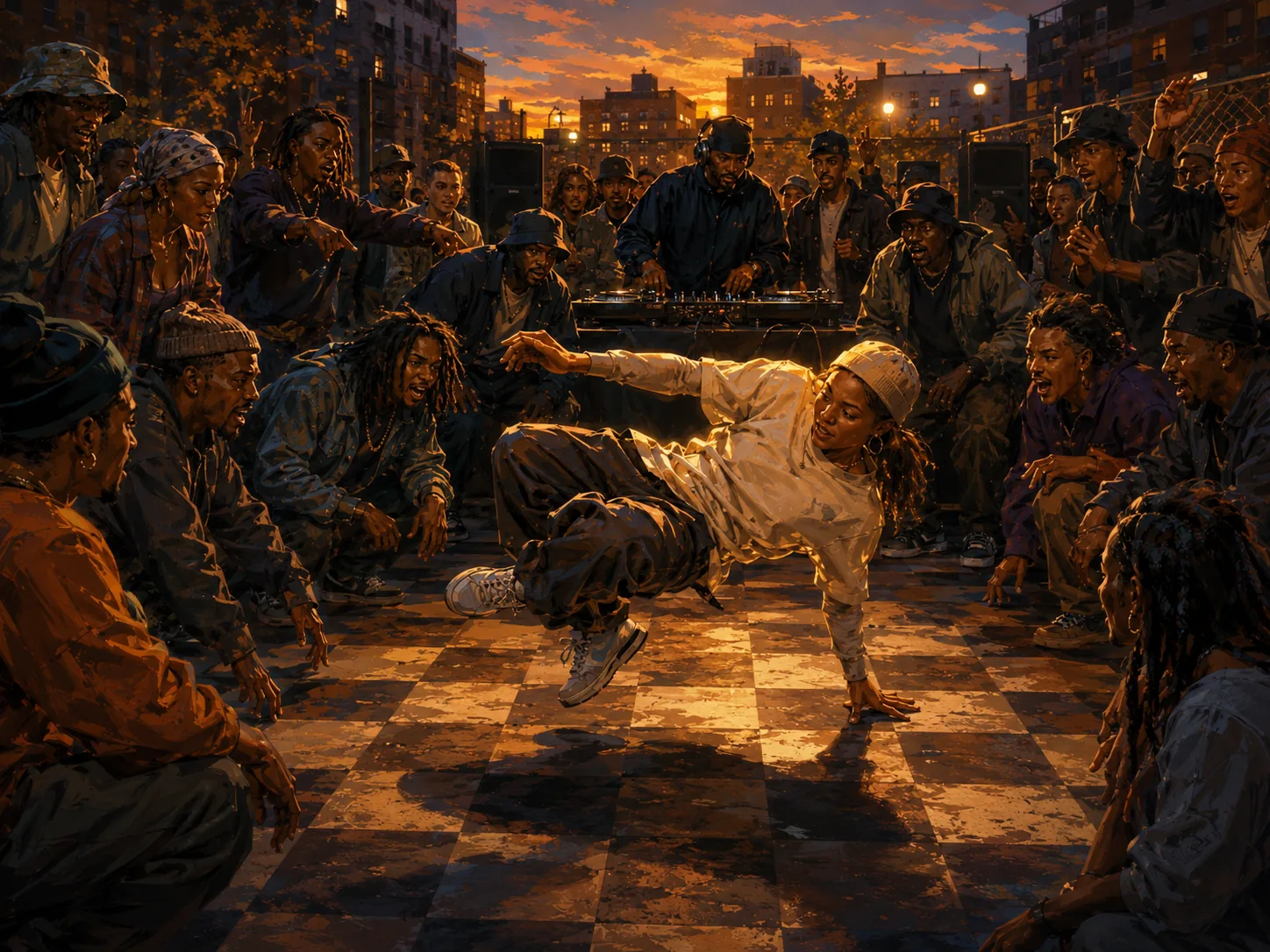
The cypher is one of the most important places where b-boys and b-girls show who they are. Inside the cypher, a dancer does not only perform steps. They show how they listen to music, how they enter, how they respond, how they control space and how they communicate with the people around them.

A cypher can reveal a dancer’s confidence, musicality, respect, creativity and attitude.

Oral stories, lineage and moments you had to be there for

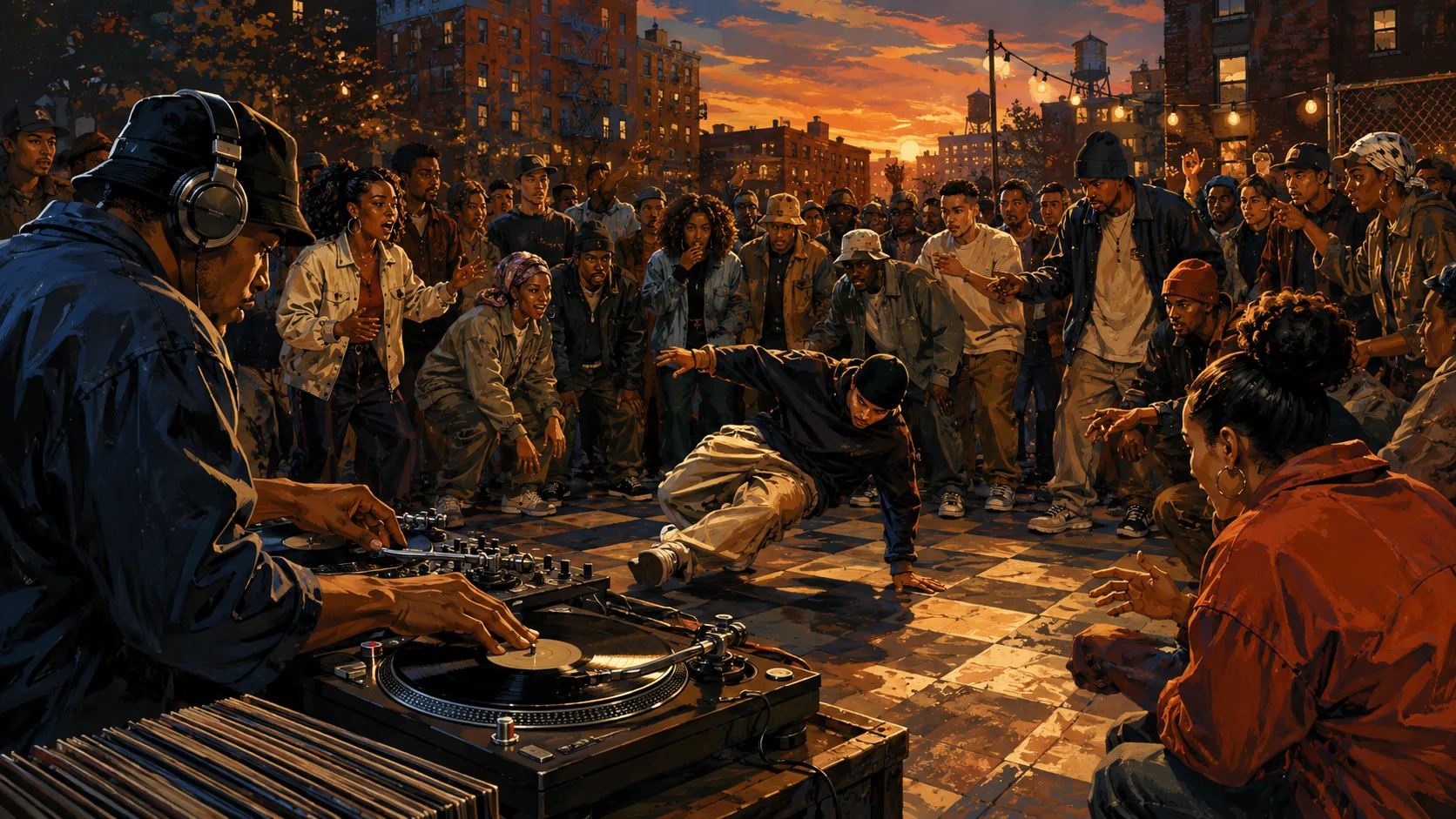
Respecting traditions means understanding that breaking was not only passed down through documented videos, events or written history. A large part of the culture was passed from generation to generation through oral stories, practice sessions, crews, elders, community spaces and people who were there.

Many legendary battles, cyphers and moments were never filmed or officially documented. Some stories survived because dancers told them to the next generation: who battled who, what happened in the room, which dancer changed the energy, which crew represented, and why a certain moment became important.

In breaking, oral history matters because not everything that shaped the culture exists on tape, online or in archives. Sometimes you had to be there to see it, feel it and understand why people still talk about it years later.

Tradition does not mean the culture cannot grow. It means that growth should stay connected to respect, foundation, music, history, community and the stories carried by the people who lived it.

Original illustration of elders sharing oral stories and breaking traditions

Different words, different contexts

Today, people use different words depending on context. All of these words may appear today, but b-boy and b-girl remain important because they carry cultural meaning.

B-boy

A male dancer inside breaking culture.

B-girl

A female dancer inside breaking culture.

Breaker

A neutral modern term for anyone who practices breaking.

Breakdancer

A mainstream term often used by media and the public.

Breaking athlete

A sports-context term used in competitive or Olympic-style settings.

Original illustration of modern global breaking scene

Local identity, global connection

Across the world, b-boys and b-girls represent local scenes, crews, cities and countries while staying connected to the same cultural roots: music, foundation, cypher, style, knowledge and respect.

B-Boy & B-Girl FAQ

Common questions about b-boy, b-girl, breaker, breakdancer, identity, crews and oral history.

What does b-boy mean?

A b-boy is the male reference to someone who practices breaking or breakdance and represents the culture through rhythm, style, foundation and cypher presence.

What does b-girl mean?

A b-girl is the female reference to someone who practices breaking or breakdance and carries the culture through movement, rhythm, style and identity.

Is b-boy the same as breakdancer?

They are related, but not exactly the same. Breakdancer is a mainstream word. B-boy is a culture term from inside the scene.

What is a breaker?

A breaker is a modern neutral term for someone who practices breaking, regardless of gender.

Why do some dancers prefer b-boy or b-girl?

Many dancers prefer these terms because they come from the culture and are connected to the break, the music, the cypher and the original scene language.

Can a beginner call themselves a b-boy or b-girl?

A beginner can be part of the journey, but the title becomes stronger as they learn the culture, foundation, music, respect and community.

What is a crew in breaking?

A crew is a group of b-boys and b-girls who train, battle and represent together under a shared name and identity.

Why is oral history important in breaking?

Oral history matters because many legendary battles, cyphers and moments were never filmed or written down. Stories carried by people who were there help keep the culture connected to its past.