StreetDance.com / Breaking Questions and Answers

Breaking Questions and Answers

A clear question-and-answer guide to breaking culture, breakdance, b-boys, b-girls, cyphers, battles, moves, music, gestures, respect and scene knowledge.

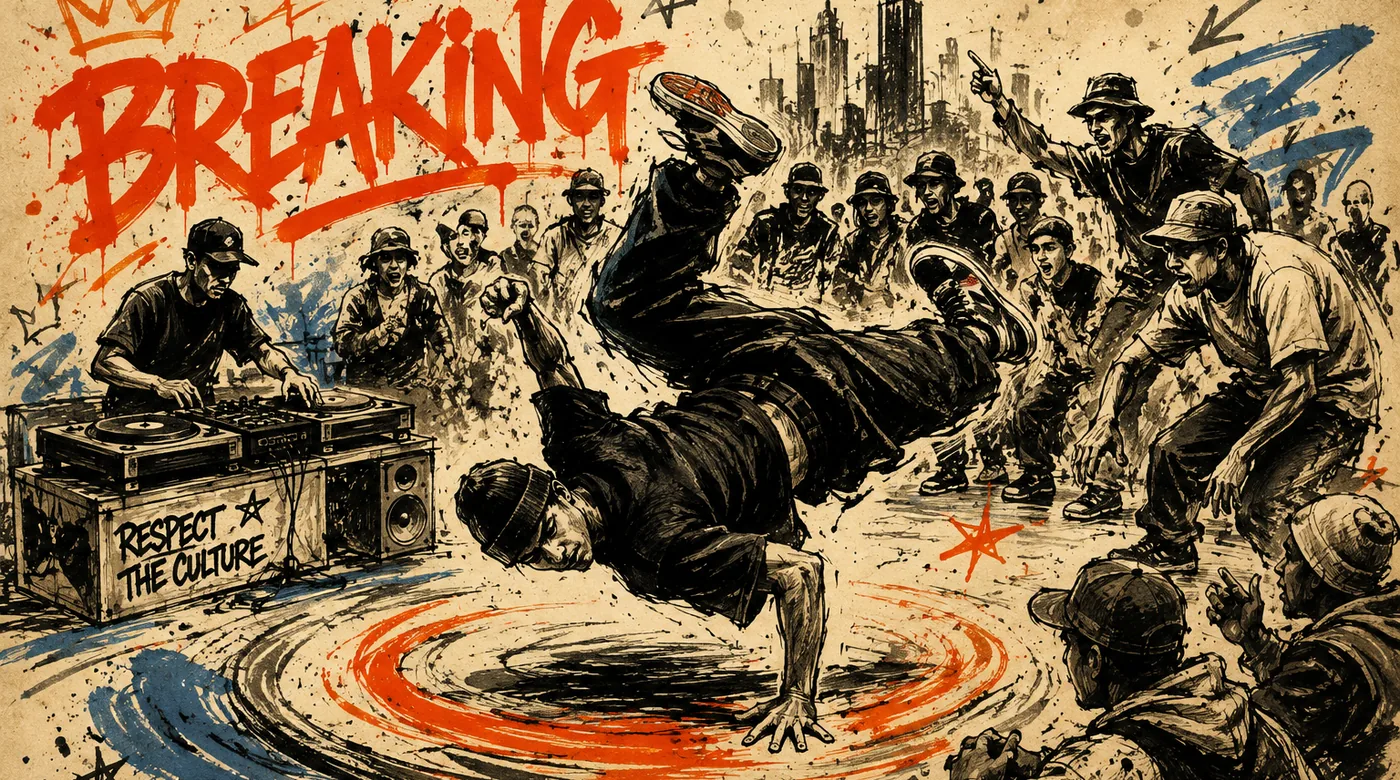
Original illustration for breaking questions and street dance knowledge

Breaking Basics

Original illustration for breaking basics and culture

What is breaking?

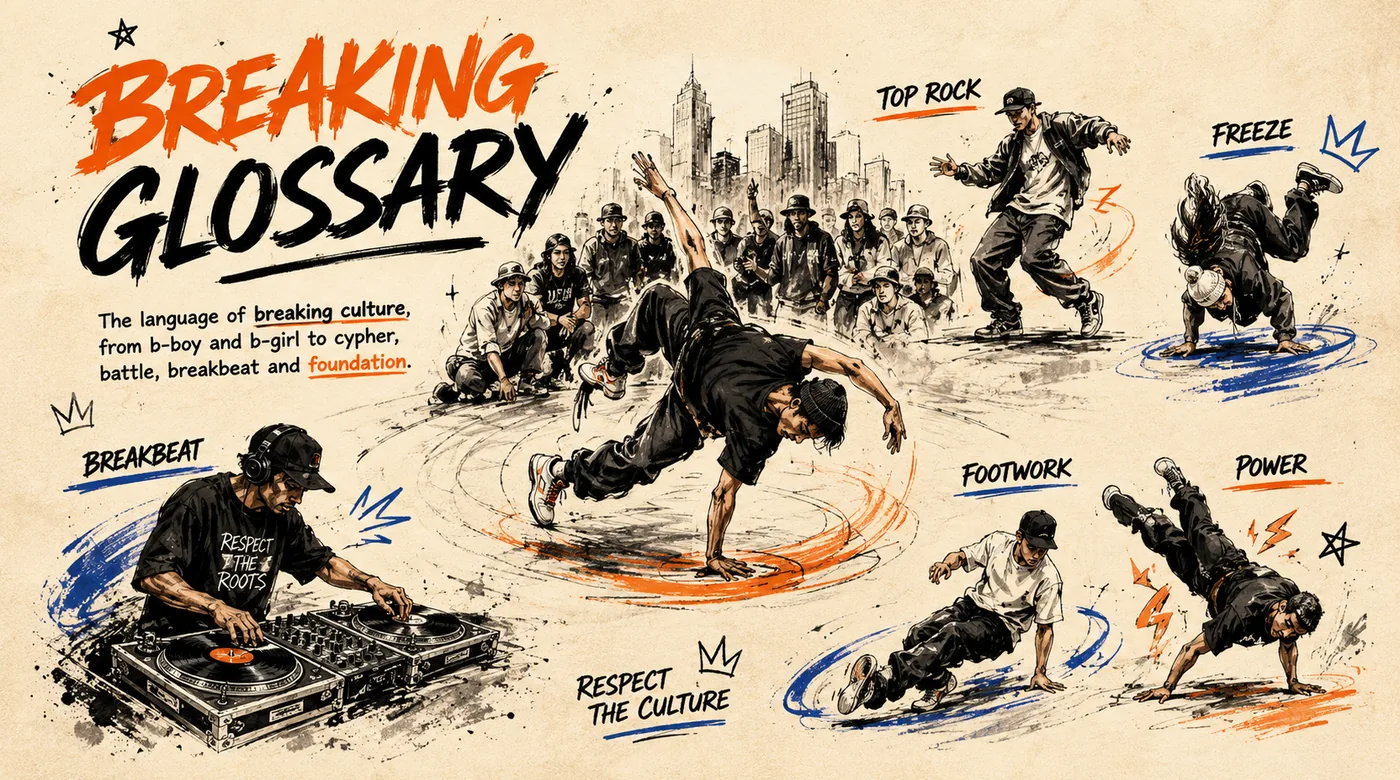
Breaking is a street dance culture connected to breakbeats, cyphers, battles, crews, style, foundation and personal expression. It includes toprock, go-downs, footwork, freezes, power moves, rhythm, musicality and attitude.

Read more →

Is breaking the same as breakdance?

Breaking is the culture term commonly used inside the scene. Breakdance is the mainstream word many people use when they first discover the dance.

Read more →

Why do dancers say breaking instead of breakdance?

Many dancers prefer the word breaking because it connects the dance to its original culture, music and community language. Breakdance is still useful because many beginners search for that term.

Read more →

Where did breaking come from?

Breaking grew from street dance culture connected to hip-hop, DJs, breakbeats, block parties, cyphers and youth creativity. It developed through communities, crews, battles and local scenes.

Read more →

Is breaking part of hip-hop culture?

Yes. Breaking is deeply connected to hip-hop culture through music, DJs, MCs, graffiti, knowledge, community and self-expression.

Read more →

Is breaking a dance, sport, art form or culture?

Breaking can be seen as all of these, but inside the scene it is first a culture and dance form. Battles and competitions add a sport element, while style and self-expression make it an art form.

Read more →

What is the difference between breaking and street dance?

Street dance is a wider umbrella that includes many dance styles. Breaking is one specific street dance culture with its own music, moves, language, battles and history.

Read more →

Why is breaking more than just moves?

Breaking is more than moves because it includes music, identity, cypher energy, battle language, style, oral history, respect and community knowledge.

Read more →
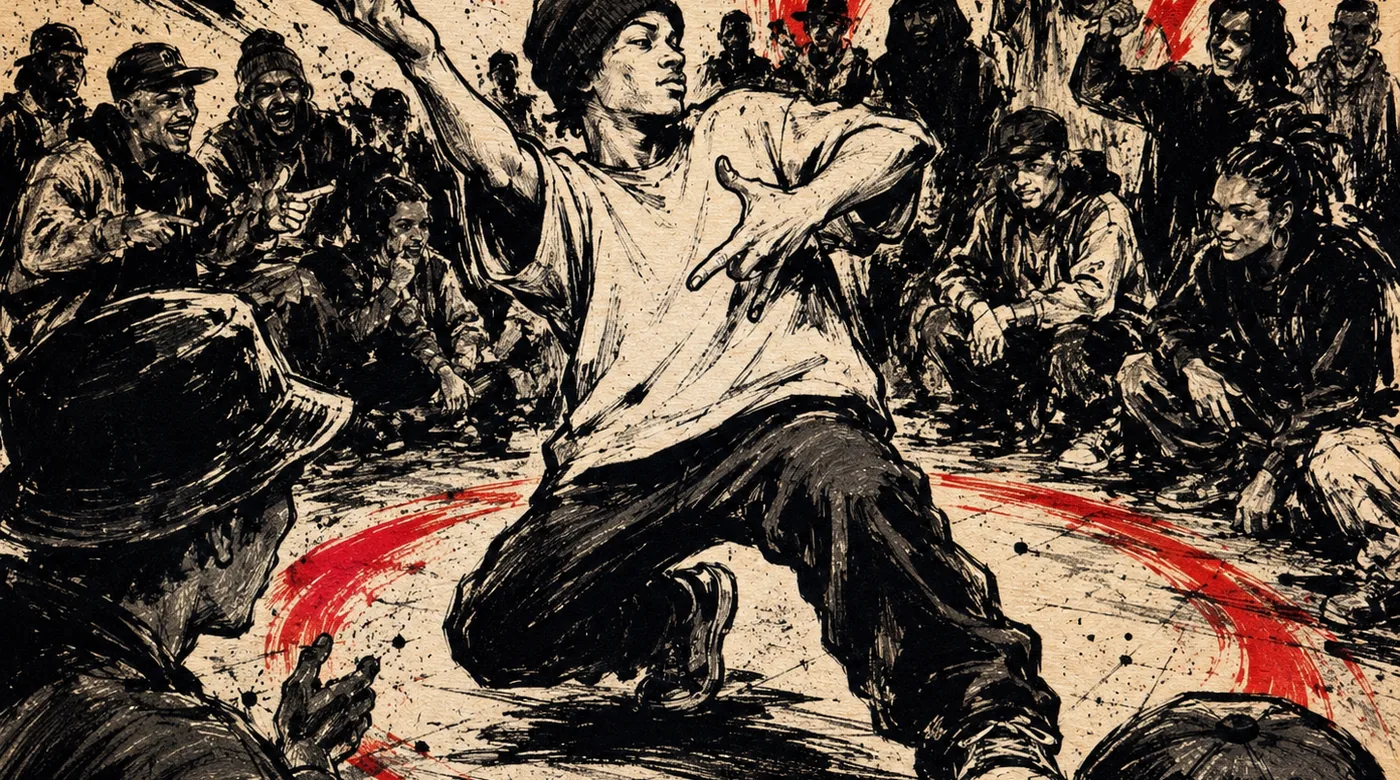
B-Boy, B-Girl and Identity

Original illustration for b-boy and b-girl identity

What does b-boy mean?

A b-boy is someone who practices breaking and represents the culture through rhythm, foundation, style, battle energy and cypher presence.

Read more →

What does b-girl mean?

A b-girl is someone who practices breaking and represents through movement, musicality, style, identity, confidence and knowledge.

Read more →

What is a breaker?

A breaker is a gender-neutral word for someone who practices breaking. It is often used in modern contexts, competitions and general explanations.

Read more →

Is b-boy the same as breakdancer?

A b-boy is a culture-specific term. Breakdancer is a mainstream word that many people understand, but inside the scene b-boy, b-girl or breaker may feel more accurate.

Read more →

Can girls be b-boys or are they called b-girls?

Girls and women in the scene are often called b-girls. The term recognizes their role and identity inside breaking culture.

Read more →

What is a breaking crew?

A breaking crew is a group of b-boys, b-girls or breakers who train, battle, perform and represent together under a shared name.

Read more →

Why are names and nicknames important in breaking?

Names and nicknames help dancers build identity, reputation and representation inside the scene. A name can carry personality, history and crew connection.

Read more →

What does representation mean in breaking?

Representation means showing who you are, where you come from, what crew you stand with and what style or values you bring into the cypher.

Read more →

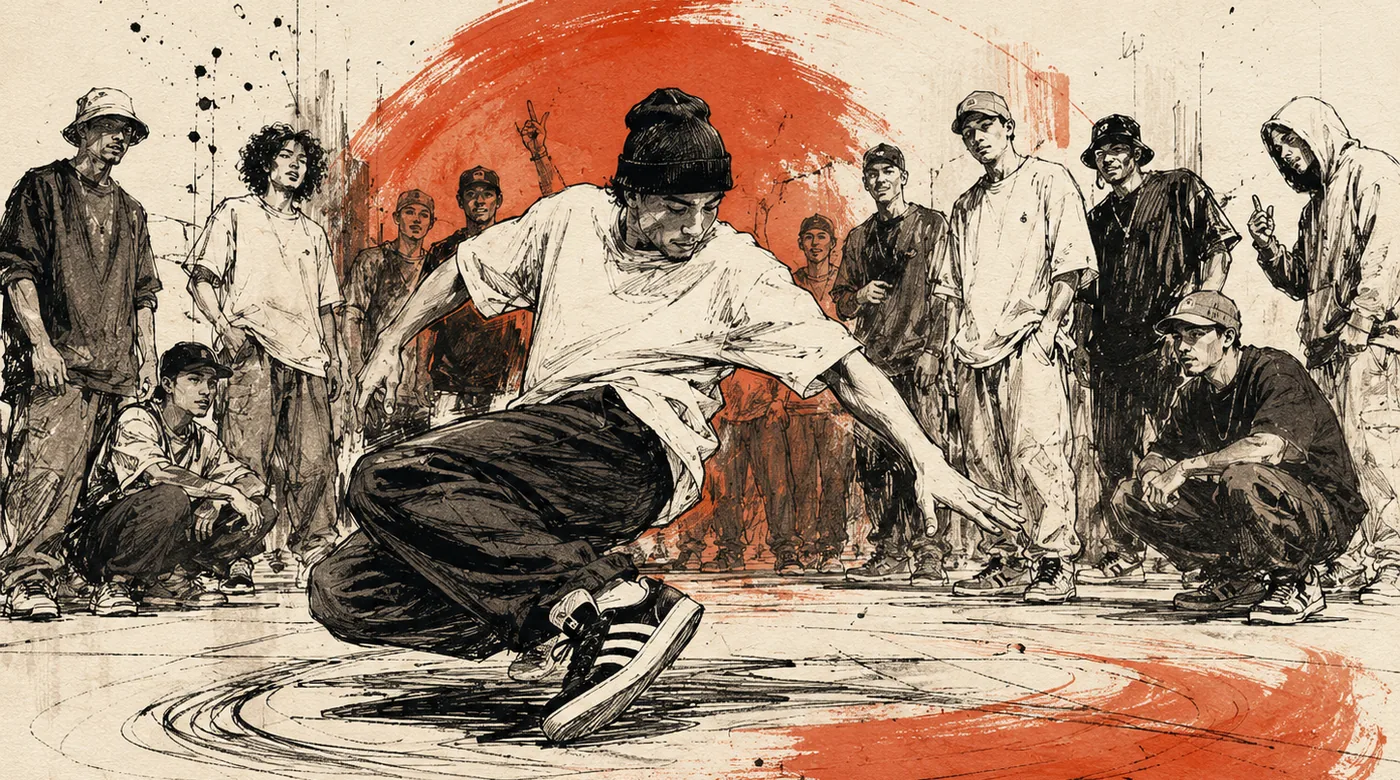
Moves, Foundation and Practice

Original illustration for breaking moves foundation and practice

What are the basic breaking moves?

Basic breaking movement includes toprock, go-downs, footwork, freezes, power moves, flow, rhythm and transitions.

Read more →

What is toprock?

Toprock is the standing part of breaking. It shows rhythm, confidence, musicality and personality before the dancer goes to the floor.

Read more →

What is footwork in breaking?

Footwork is the floor language of breaking, using steps, patterns, direction changes and weight shifts close to the ground.

Read more →

What is a go-down or entry?

A go-down or entry is the transition from standing movement to the floor. A strong entry connects naturally from toprock into footwork, freezes or power.

Read more →

What is a freeze?

A freeze is a controlled stop or held position. It can hit a beat, finish a round, show balance or create impact.

Read more →

What is a power move?

A power move is a dynamic, often rotational or acrobatic movement that requires strength, control and safe progression.

Read more →

What is flow in breaking?

Flow is how smoothly a dancer connects movements together. Good flow makes a round feel like one idea instead of separate tricks.

Read more →

What is foundation in breaking?

Foundation is the basic movement, rhythm, control and knowledge that supports a dancer’s growth. Strong foundation makes advanced moves stronger.

Read more →

What should beginners learn first in breaking?

Beginners should start with rhythm, safe warm-ups, toprock, basic go-downs, simple footwork, beginner freezes and respect for the cypher.

Read more →

How can kids learn breaking safely?

Kids should learn through rhythm games, warm-ups, basic steps, safe floor movement and simple freezes before trying difficult power moves.

Read more →

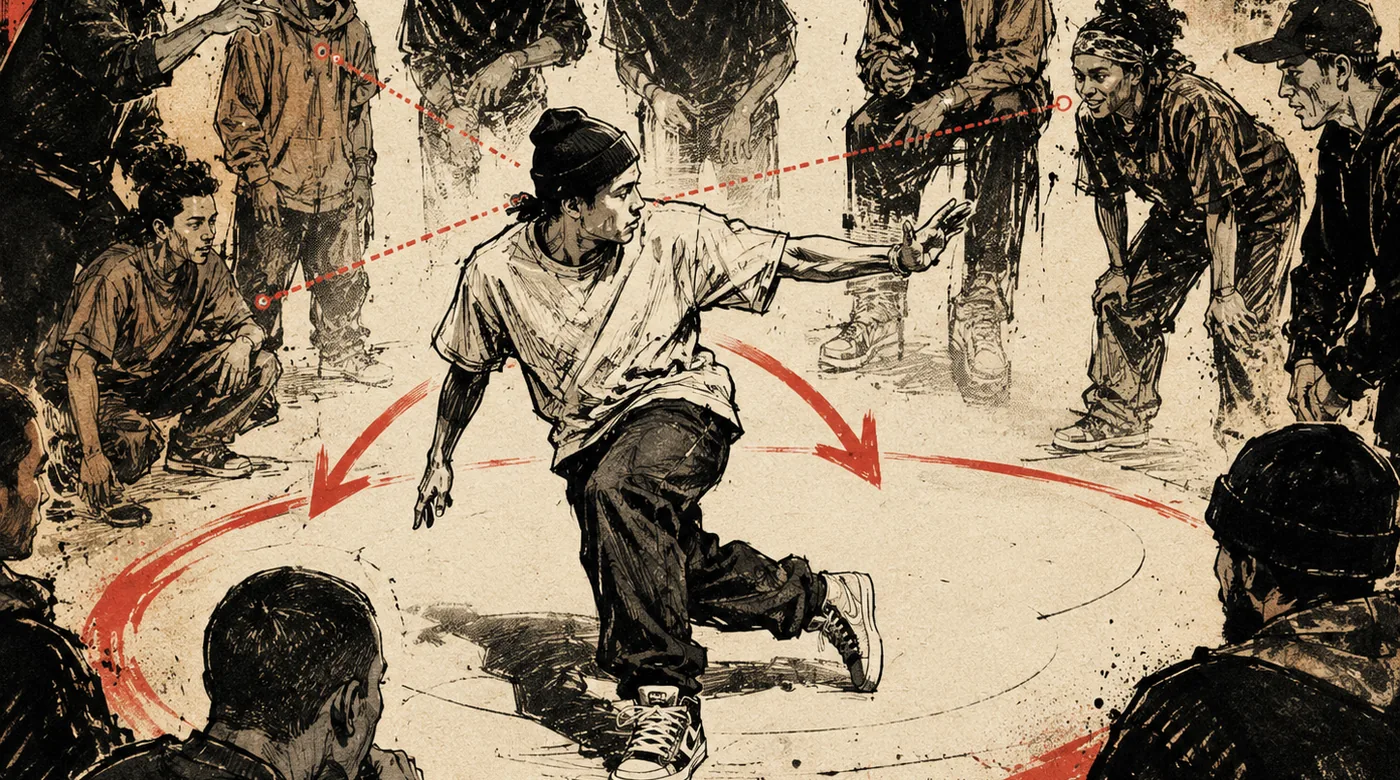
Battles, Cyphers and Gestures

Original illustration for battles cyphers and gestures

What is a cypher in breaking?

A cypher is a circle where dancers enter one by one to dance, exchange energy and represent themselves. It can be friendly, intense, creative or competitive.

Read more →

What is a breaking battle?

A breaking battle is a competitive exchange where dancers or crews take rounds against each other while responding to the music and opponent.

Read more →

What is the difference between a cypher and a battle?

A cypher is usually an open circle for exchange, practice and expression. A battle is a direct competition with rounds, opponents and often judges.

Read more →

What is a round in breaking?

A round is the moment a dancer enters the floor and presents their movement during a battle or cypher.

Read more →

What does call-out mean in breaking?

A call-out is when a dancer challenges or invites another dancer to respond. It can happen with a gesture, look, point, hand wave or direct movement.

Read more →

What are breaking gestures?

Breaking gestures are hand signs, body actions, facial expressions, pauses or attitude-based movements used to communicate inside a cypher or battle.

Read more →

What does biting mean in breaking?

Biting means copying another dancer’s move, idea, signature or style without making it your own.

Read more →

What is a burn in breaking?

A burn is a teasing or mocking battle gesture used to pressure an opponent in a clever way.

Read more →

What does crash mean in breaking?

A crash is when a dancer slips, falls, loses control or fails to land a move cleanly.

Read more →

Why is respect important in battles?

Respect keeps battles competitive without losing culture, safety and community spirit. A battle can be intense and still respect the dancer, the music and the cypher.

Read more →

Music, DJs and Breakbeats

Original illustration for DJs music and breakbeats

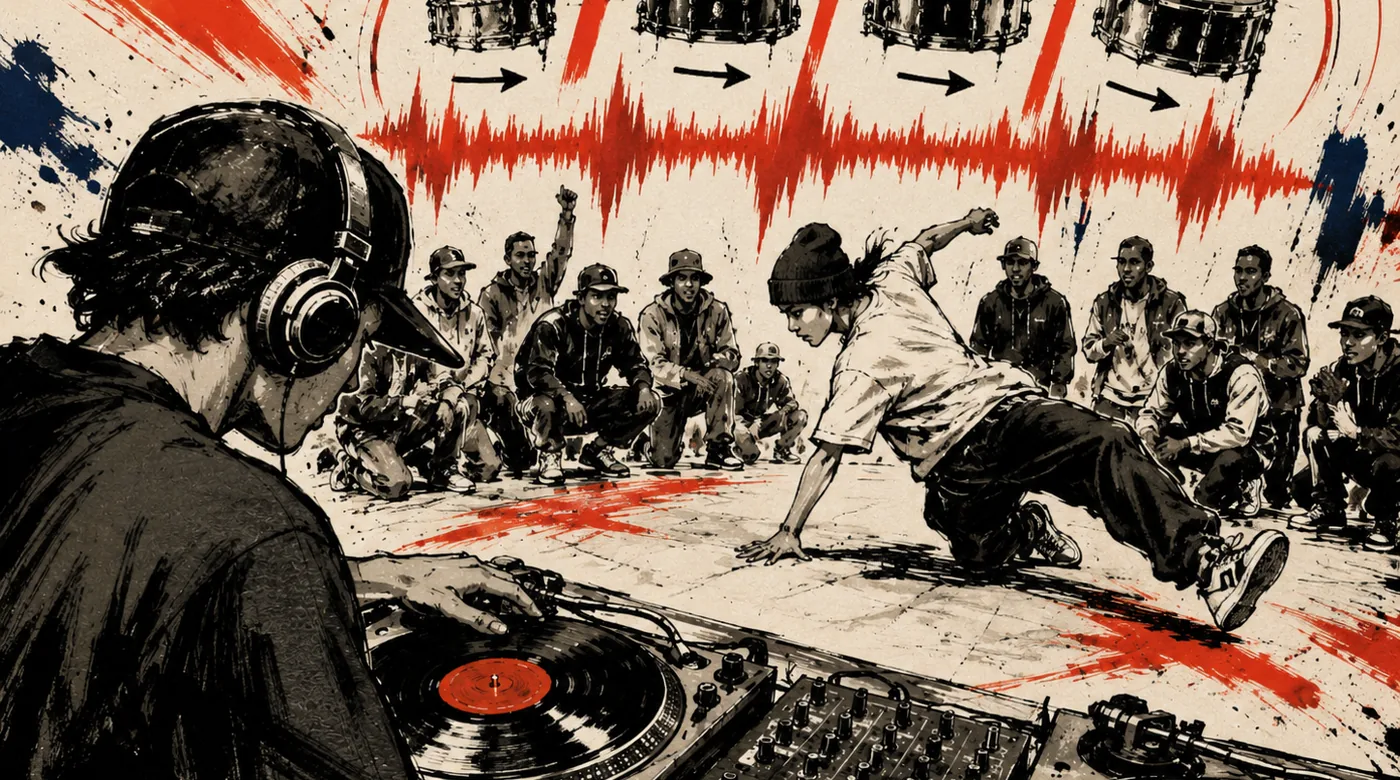
What is a breakbeat?

A breakbeat is the rhythmic part of the music where drums, percussion and groove create space for the dancer.

Read more →

Why is music important in breaking?

Breaking starts with music. Dancers respond to drums, rhythm, accents, pauses, energy changes and the DJ’s choices.

Read more →

What does the DJ do in breaking?

The DJ selects and controls the music, plays breaks and feeds the energy of the floor.

Read more →

What kind of music do breakers dance to?

Breakers often dance to funk, soul, disco, rock, hip-hop and records with strong drum breaks, rhythm and groove.

Read more →

What does it mean to hit the beat?

To hit the beat means to place a move, freeze, gesture or change exactly on a musical accent or rhythm point.

Read more →

What is musicality in breaking?

Musicality is how a dancer connects movement to the beat, rhythm, accents, pauses and feeling of the music.

Read more →

Why do breakers dance to drum breaks?

Drum breaks give dancers clear rhythm, energy and space to enter the cypher. The breakbeat invites the dancer in.

Read more →

Culture, Respect and Scene Knowledge

Original illustration for culture respect and scene knowledge

What is originality in breaking?

Originality is the ability to bring your own ideas, style and choices into the dance instead of only copying others.

Read more →

What is style in breaking?

Style is how a dancer expresses movement through rhythm, posture, character, confidence, details, clothing, gestures and personal flavor.

Read more →

What is lineage in breaking?

Lineage means the connection between generations, teachers, crews, mentors and dancers who pass knowledge forward.

Read more →

Why is oral history important in breaking?

Many legendary battles, lessons and moments were passed from person to person before they were filmed or documented. Oral history keeps those stories alive.

Read more →

What are unwritten rules in breaking culture?

Unwritten rules include respecting the cypher, listening to the music, not copying others, training foundation, giving space and understanding the history.

Read more →

How did breaking spread around the world?

Breaking spread through travel, crews, films, battles, workshops, music videos, forums, social media and international events.

Read more →

How do you show respect in the cypher?

You show respect by listening to the music, giving dancers space, not interrupting, acknowledging good rounds and keeping the exchange safe.

Read more →

Why does breaking culture value knowledge?

Knowledge helps dancers understand where the dance comes from, how to respect the culture and how to build their own style with awareness.

Read more →