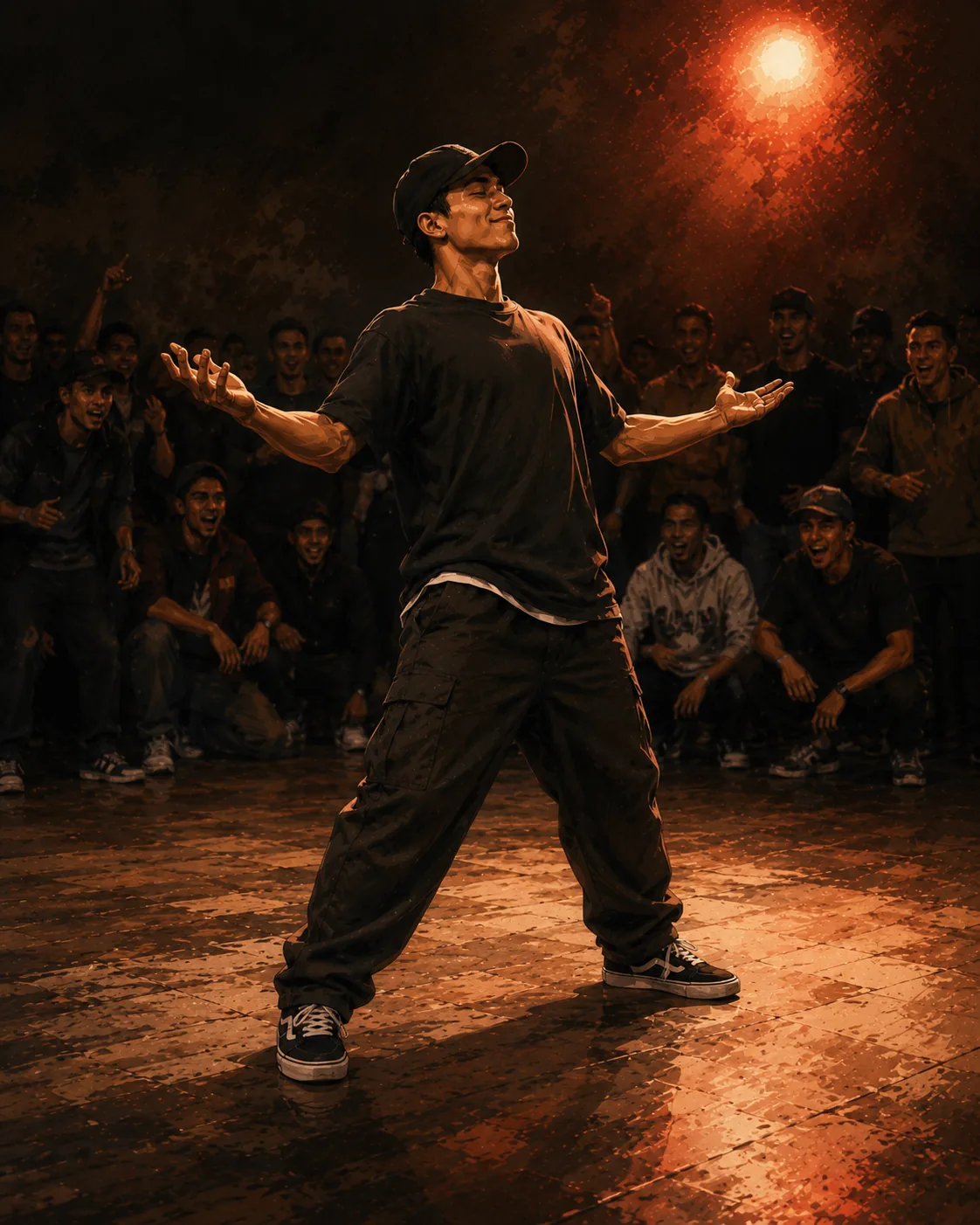
Breaking Section / Gestures

Breaking Gestures & Signals

Gestures are how dancers react, respond, challenge, mock, respect and communicate inside the cypher.

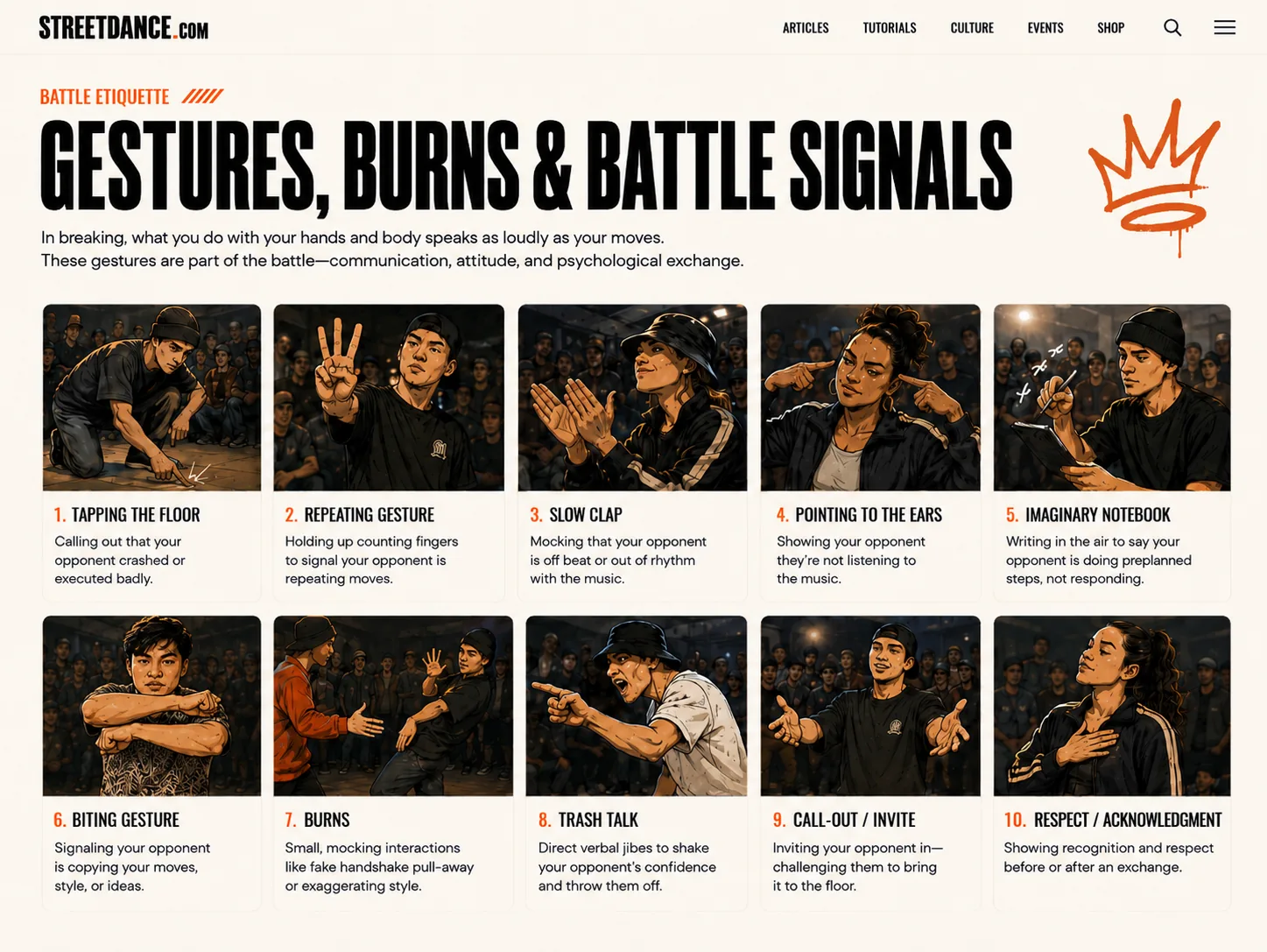
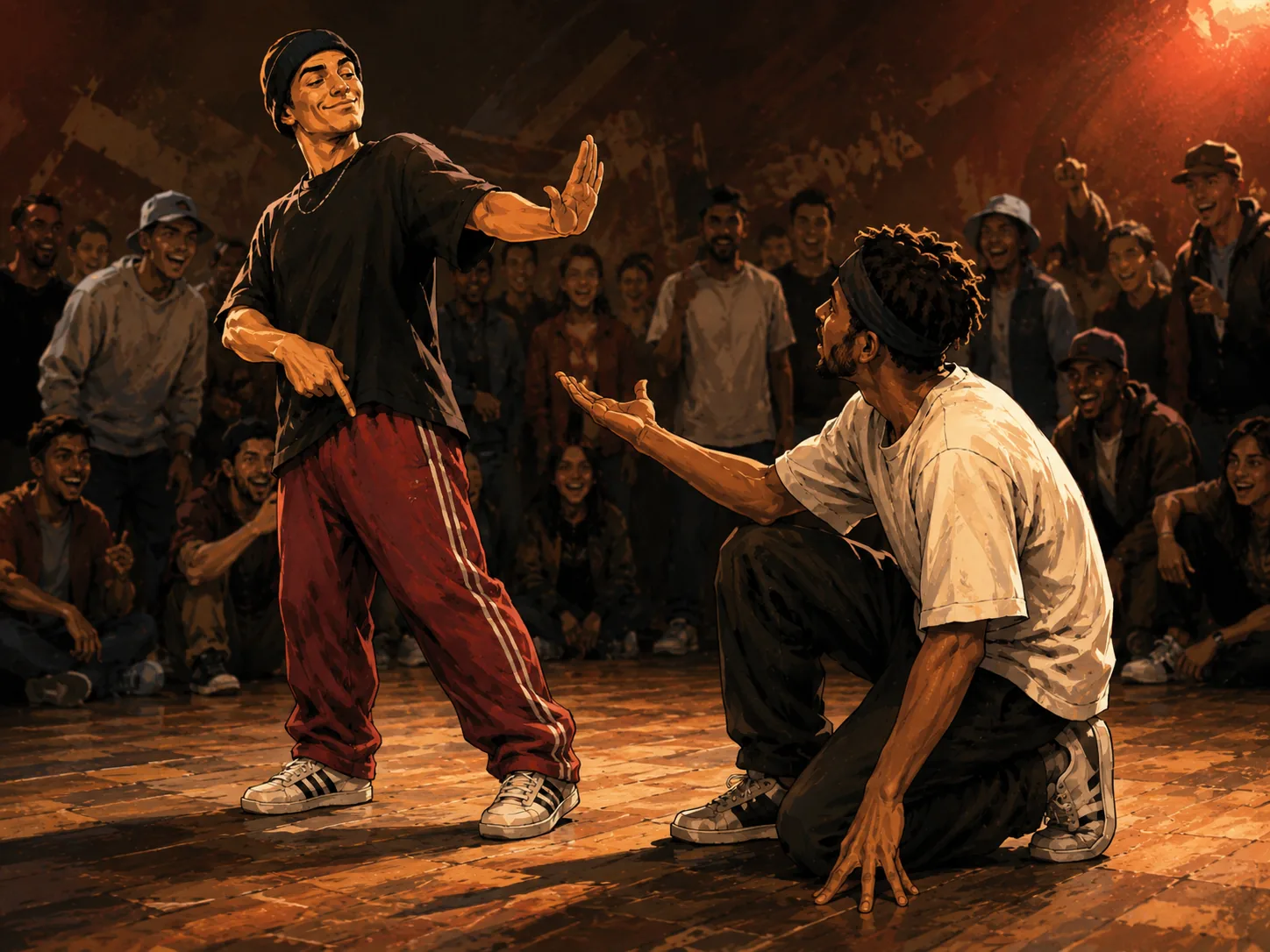
Breaking gestures and cypher signals illustrated guide

Gestures are battle language

In breaking, what you do with your hands, face, posture and pauses can speak as loudly as your moves.

More than decoration

Gestures in breaking are not random acting. They are part of communication. A gesture can call out a mistake, invite an opponent, show respect, mock repetition, point to weak musicality or turn a moment into a battle response.

Good gestures are connected to the music, the move and the situation. They should support the round, not replace foundation.

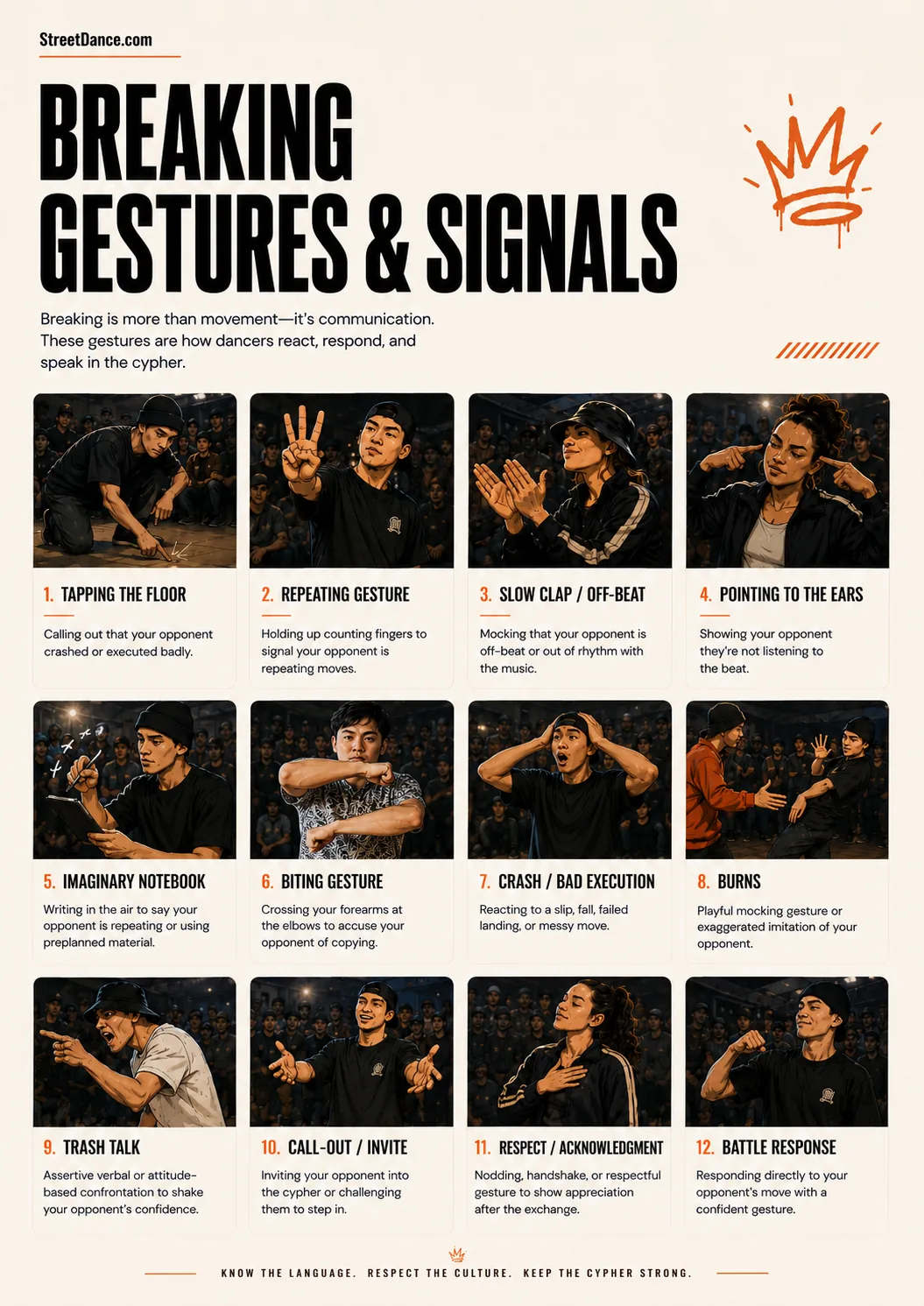
StreetDance.com breaking gestures poster with battle signal examples

Gesture examples

These examples explain common battle gestures and how they can be understood inside a cypher or battle.

01
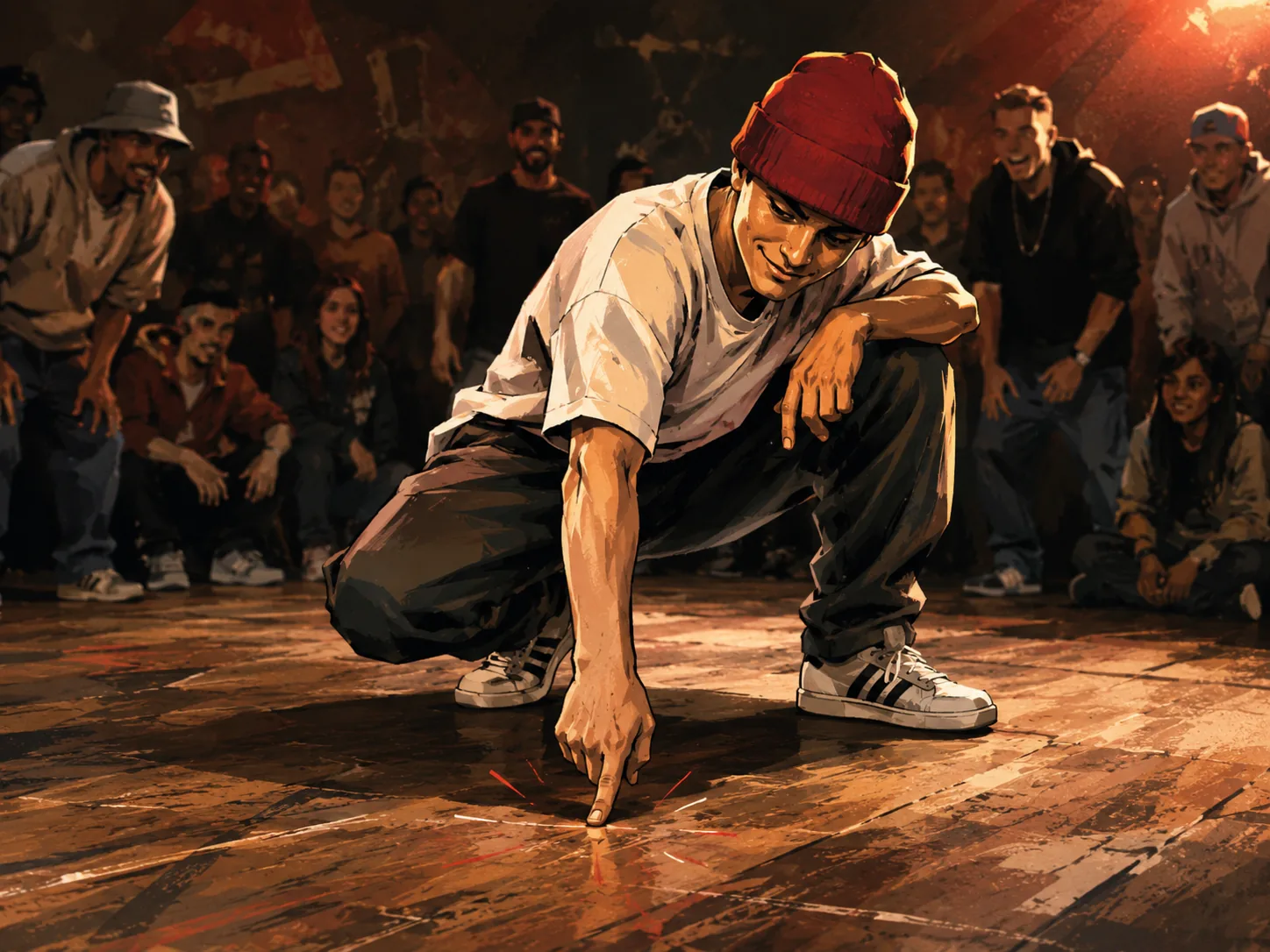
Tapping the floor breaking gesture example

Tapping the floor

Calling out a crash, slip or bad execution.

Tapping the floor is used when a dancer sees an opponent crash, slip, fall out of a move or execute something badly. The gesture points attention to the floor as if saying: you touched down, you lost control or the move did not land clean.

Scene contextThis can be playful, funny or sharp depending on the battle. It works strongest when it reacts to a real moment and does not interrupt the dancer’s own flow.
02
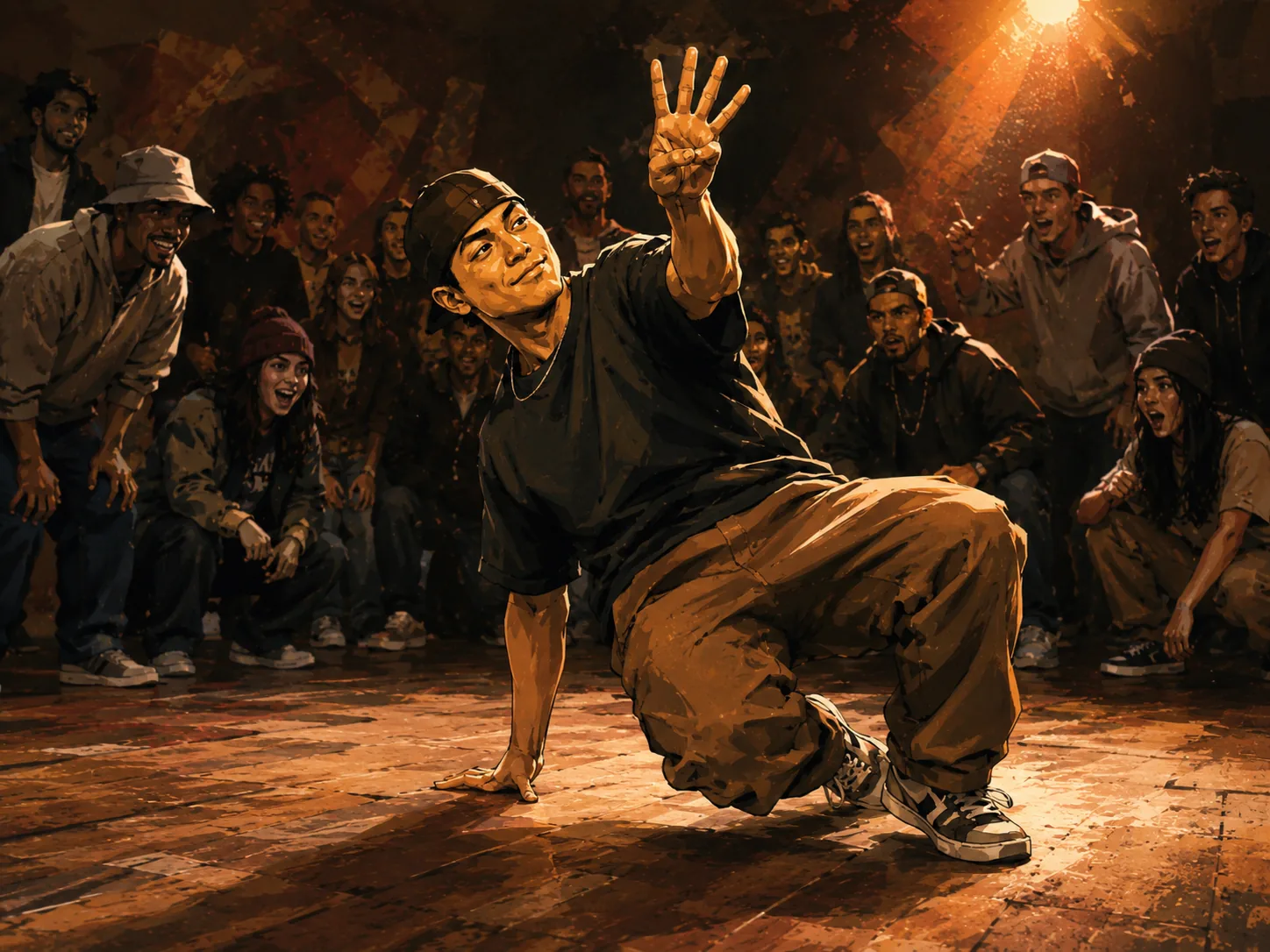
Repeating gesture / counting fingers breaking gesture example

Repeating gesture / counting fingers

Showing fingers as if counting repeated moves.

A dancer may hold up fingers in the air as if counting. This signals that the opponent is repeating moves, ideas or patterns they already used. In breaking battles, repeating too much can make a round feel predictable.

Scene contextThe gesture tells the crowd, judges and opponent: I see the repetition. It pressures the opponent to show more variation.
03
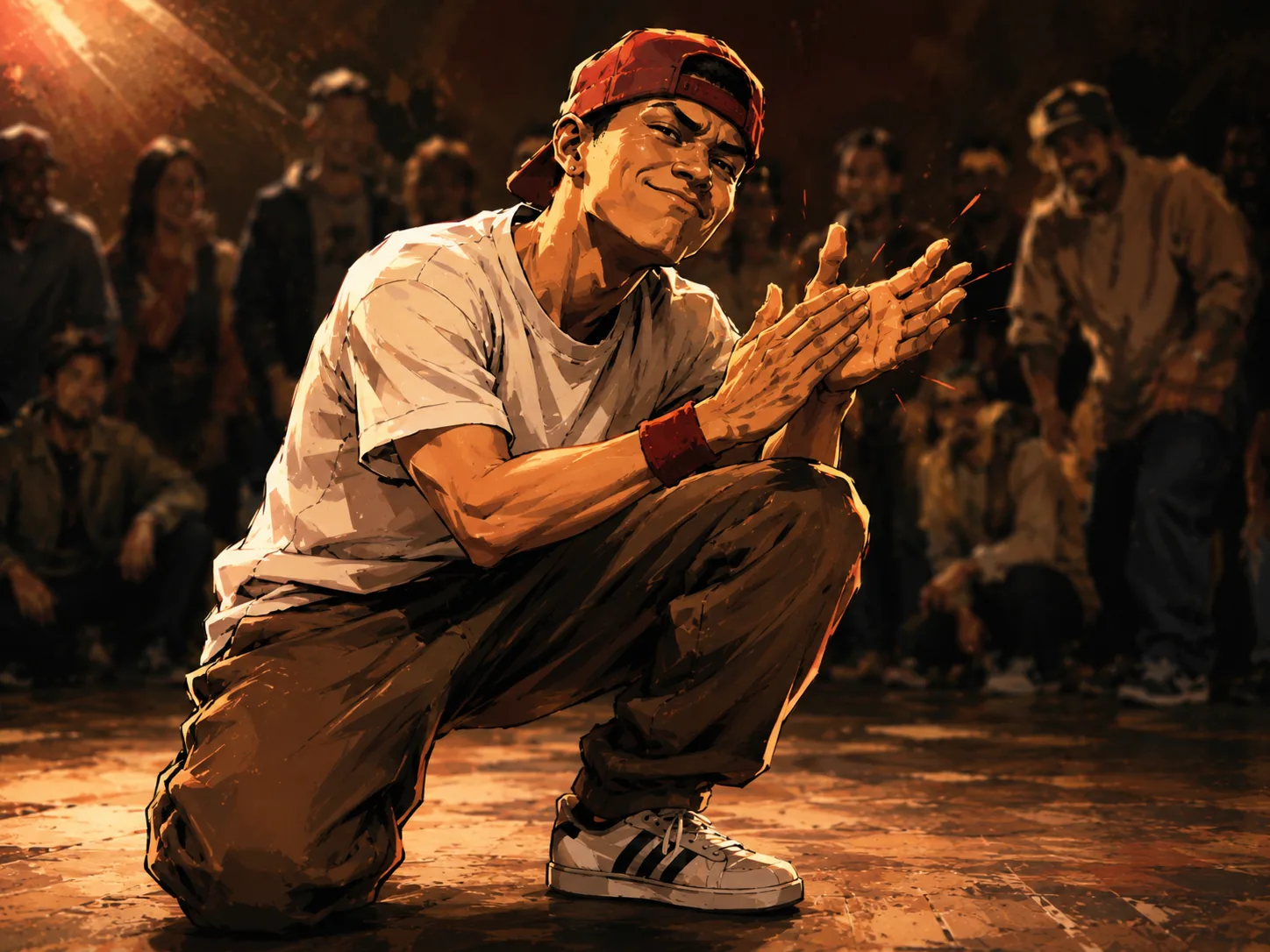
Slow clap / off-beat gesture breaking gesture example

Slow clap / off-beat gesture

Mocking that the opponent is off beat or out of rhythm.

A slow clap to the beat can be used mockingly to suggest the opponent is not catching the music. It can mean the dancer is off-beat, out of time or needs help finding the rhythm.

Scene contextThis gesture is about musicality. It is not just a joke; it calls out a weak connection to the music.
04
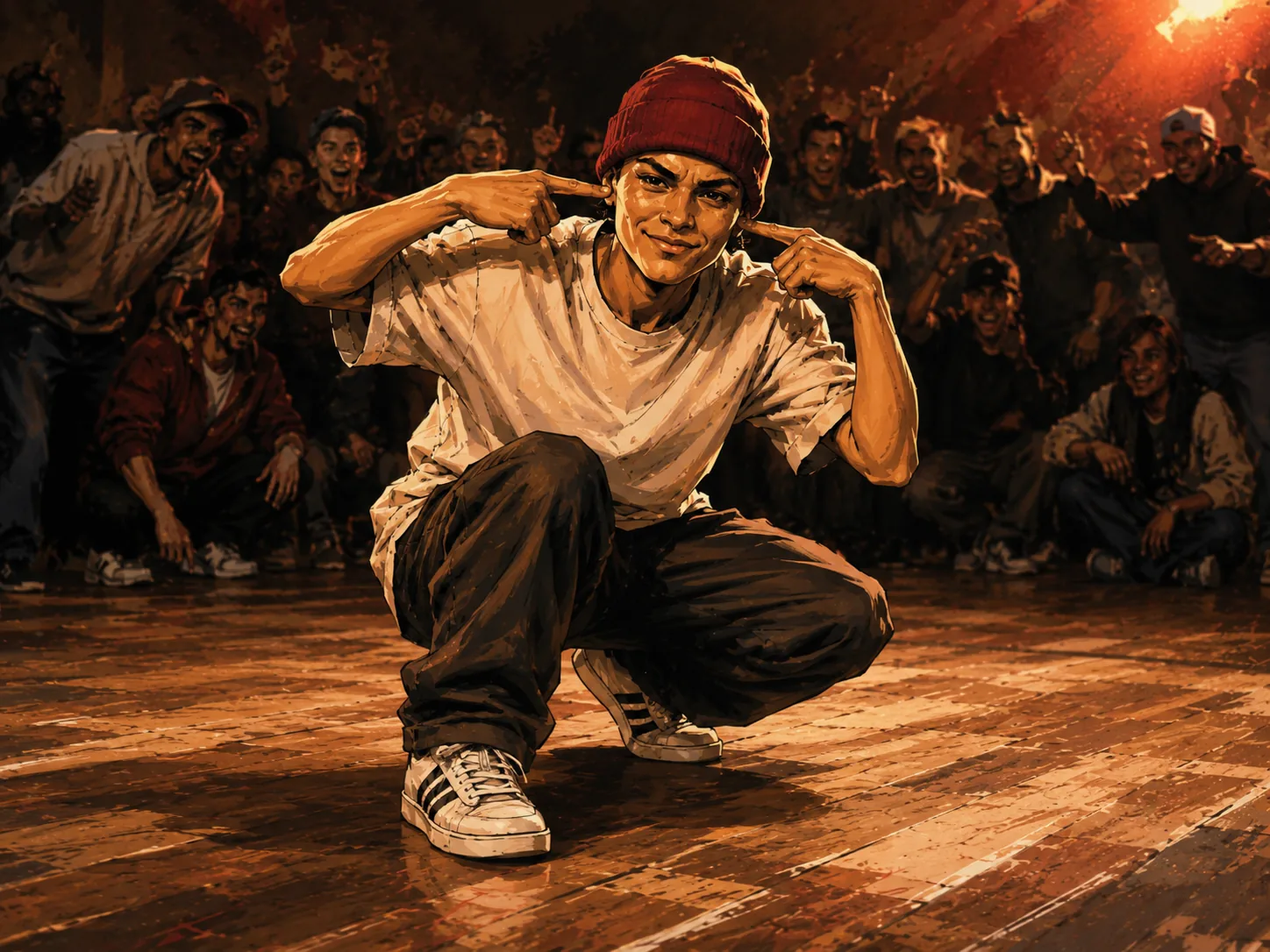
Pointing to the ears breaking gesture example

Pointing to the ears

Showing that the opponent is not listening to the music.

Pointing to the ears tells the opponent and the crowd that the dancer is not listening. It can call out missed accents, weak timing or a round that feels disconnected from the break.

Scene contextIn breaking, the music is not background. This gesture reminds everyone that musicality matters.
05
Imaginary notebook breaking gesture example

Imaginary notebook

Pretending to write down preplanned or repeated material.

The imaginary notebook gesture looks like a dancer writing notes in the air or on an invisible pad. It suggests that the opponent is using preplanned steps instead of improvising or responding to the music in the moment.

Scene contextIt can also suggest that the opponent’s round feels rehearsed, predictable or not alive inside the cypher.
06
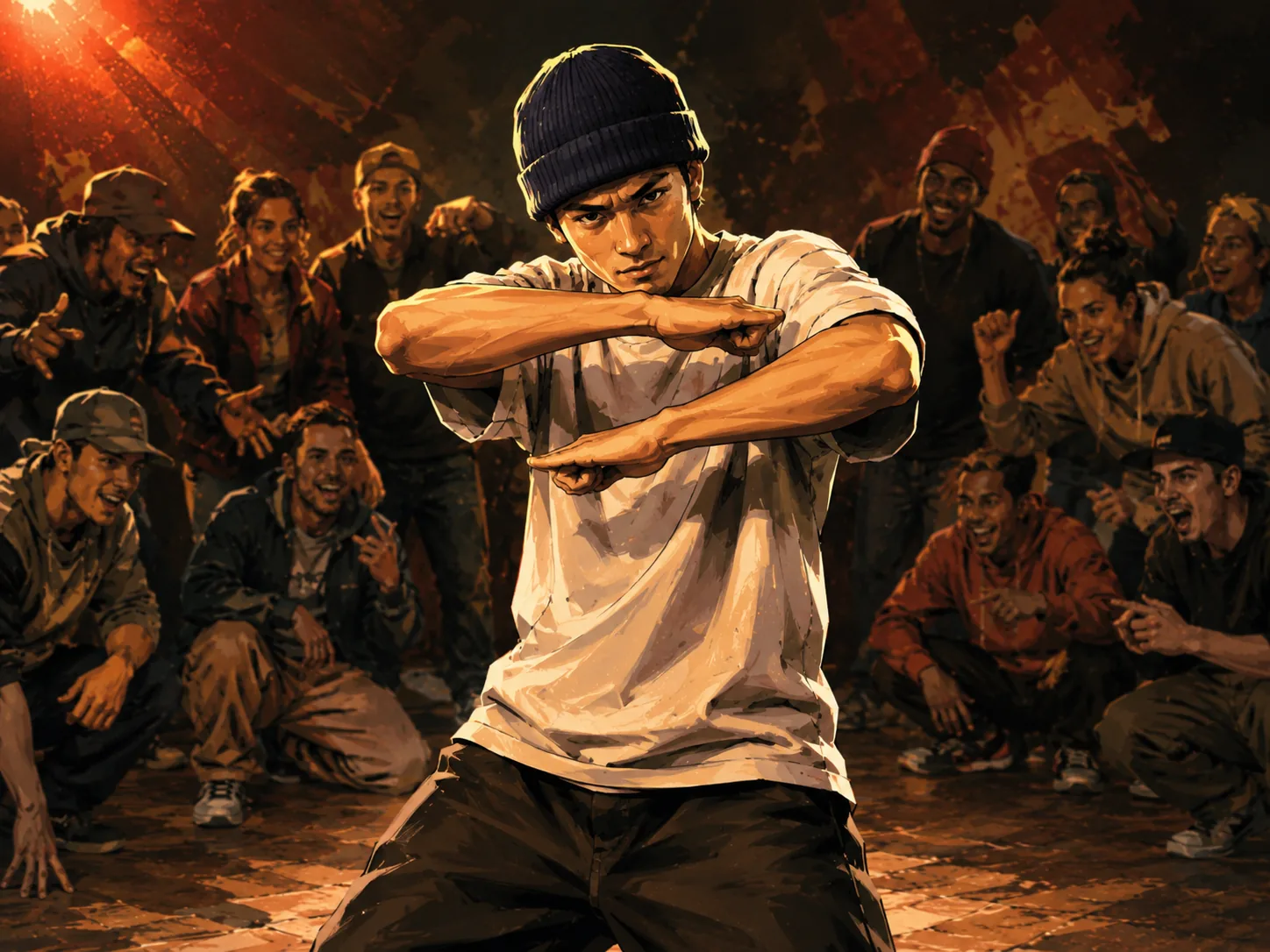
Biting gesture breaking gesture example

Biting gesture

The double elbow sign calls out copying or biting style.

In breaking, biting means copying another dancer’s move, idea, style, pattern or signature without making it your own. The biting gesture can be shown with the double elbow sign: crossing the forearms at the elbows to signal that someone is biting.

Scene contextThis gesture is serious because originality is important in breaking. It does not mean literal biting. It means calling out copied material.
07
Crash / bad execution gesture breaking gesture example

Crash / bad execution gesture

Reacting to a failed landing, slip or messy move.

A crash gesture reacts to a move that fails, slips, lands badly or loses control. It can be a hand drop, a surprised face, a floor point, a head shake or a body reaction that says the move did not work.

Scene contextThis gesture works as battle commentary. It can be humorous, but it can also shift crowd energy if the crash is obvious.
08
Burns breaking gesture example

Burns

Small mocking actions used to shake confidence.

Burns are small gestures or actions used to embarrass, tease or pressure an opponent. Examples can include fake handshake pull-aways, exaggerated imitation, acting unimpressed or turning an opponent’s idea into a joke.

Scene contextBurns are part of battle language, but they work best when they are clever and controlled. They should not replace dancing.
09
Trash talk breaking gesture example

Trash talk

Verbal or expressive confrontation to pressure the opponent.

Trash talk can include verbal comments, attitude, facial expression or direct confrontation. It is less common than nonverbal gestures, but it can appear in intense battles.

Scene contextTrash talk is psychological. It tries to shake the opponent’s confidence, but it should not cross into unsafe or disrespectful behavior that damages the cypher.
10
Call-out / invite breaking gesture example

Call-out / invite

Inviting or challenging another dancer to step in.

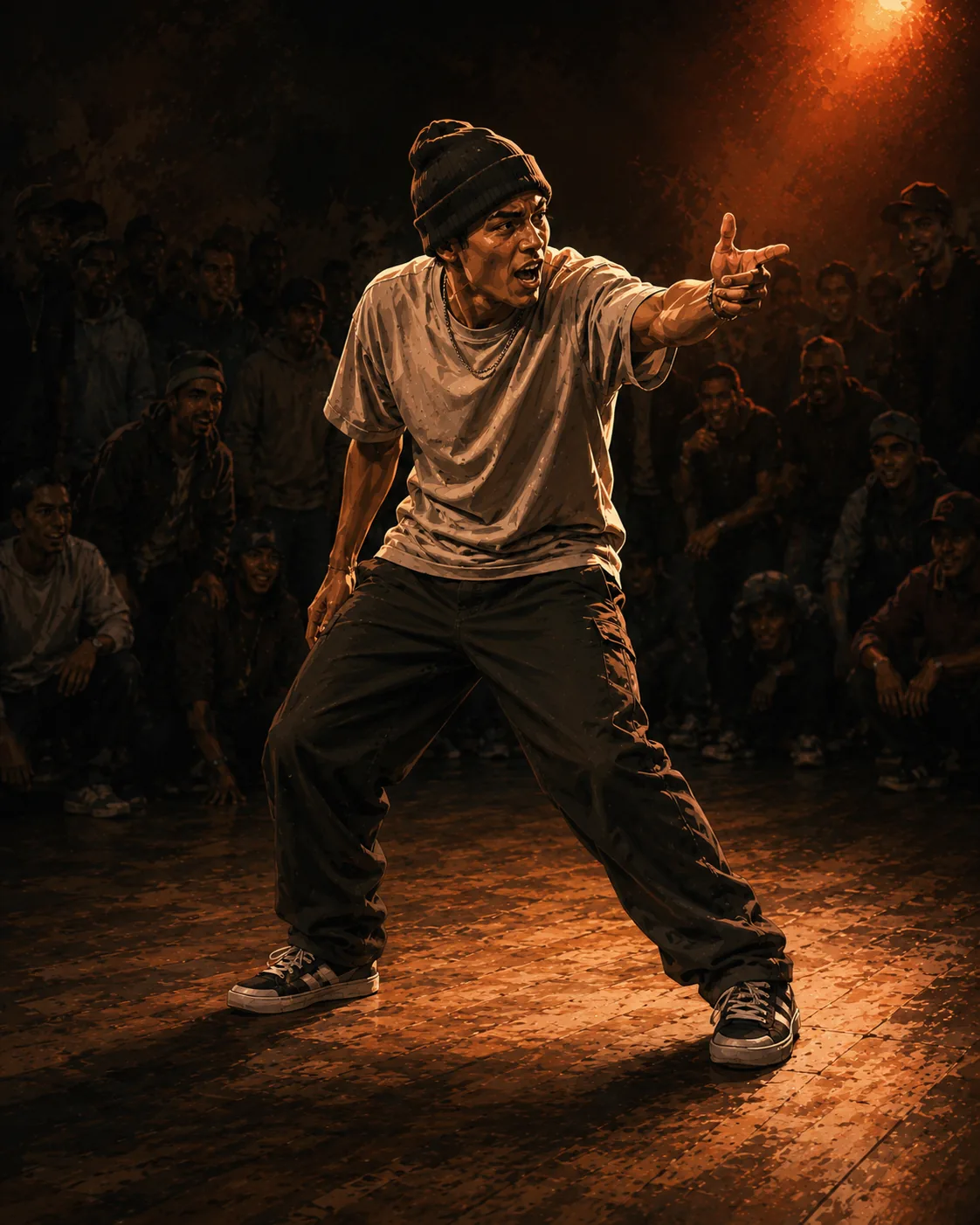
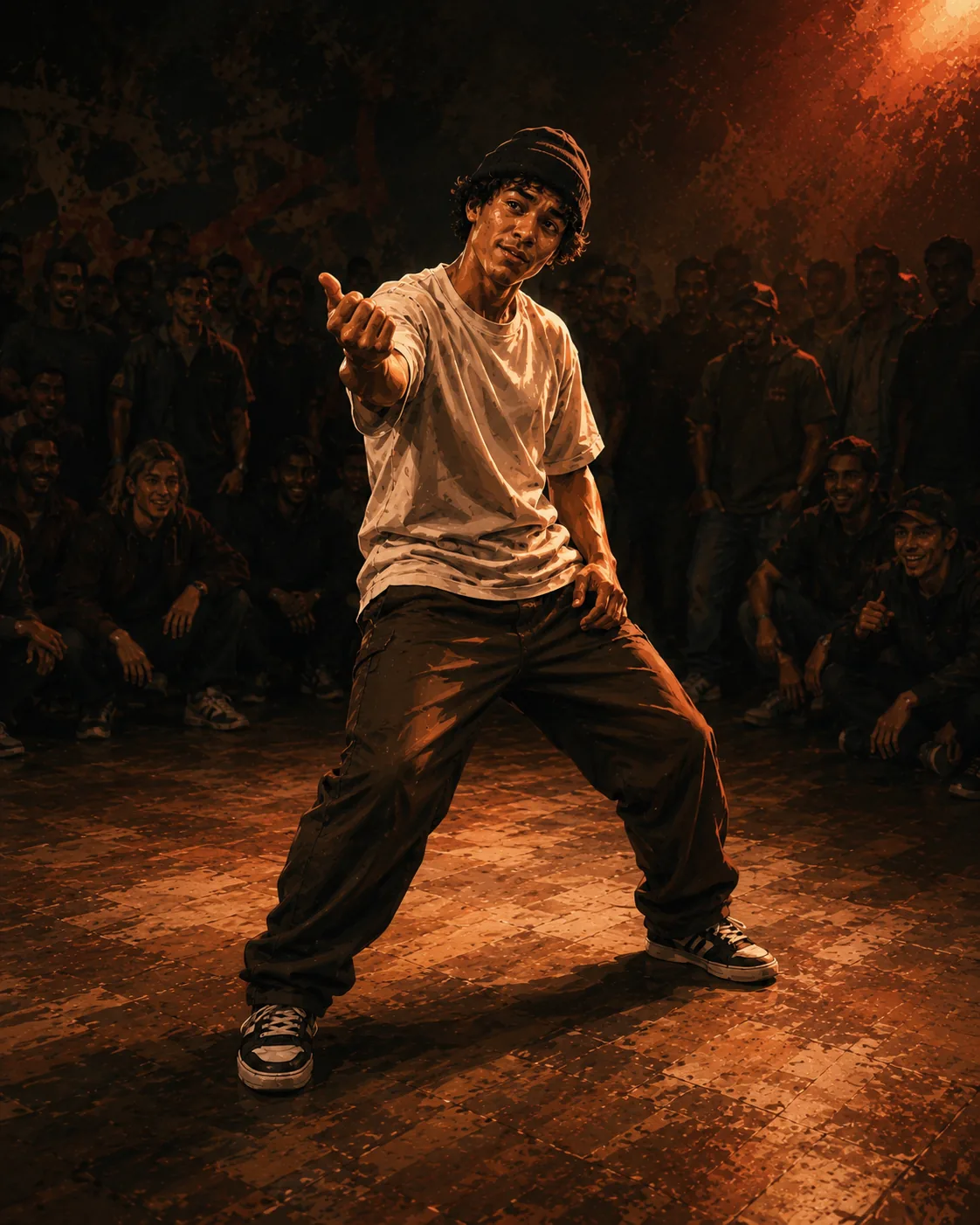
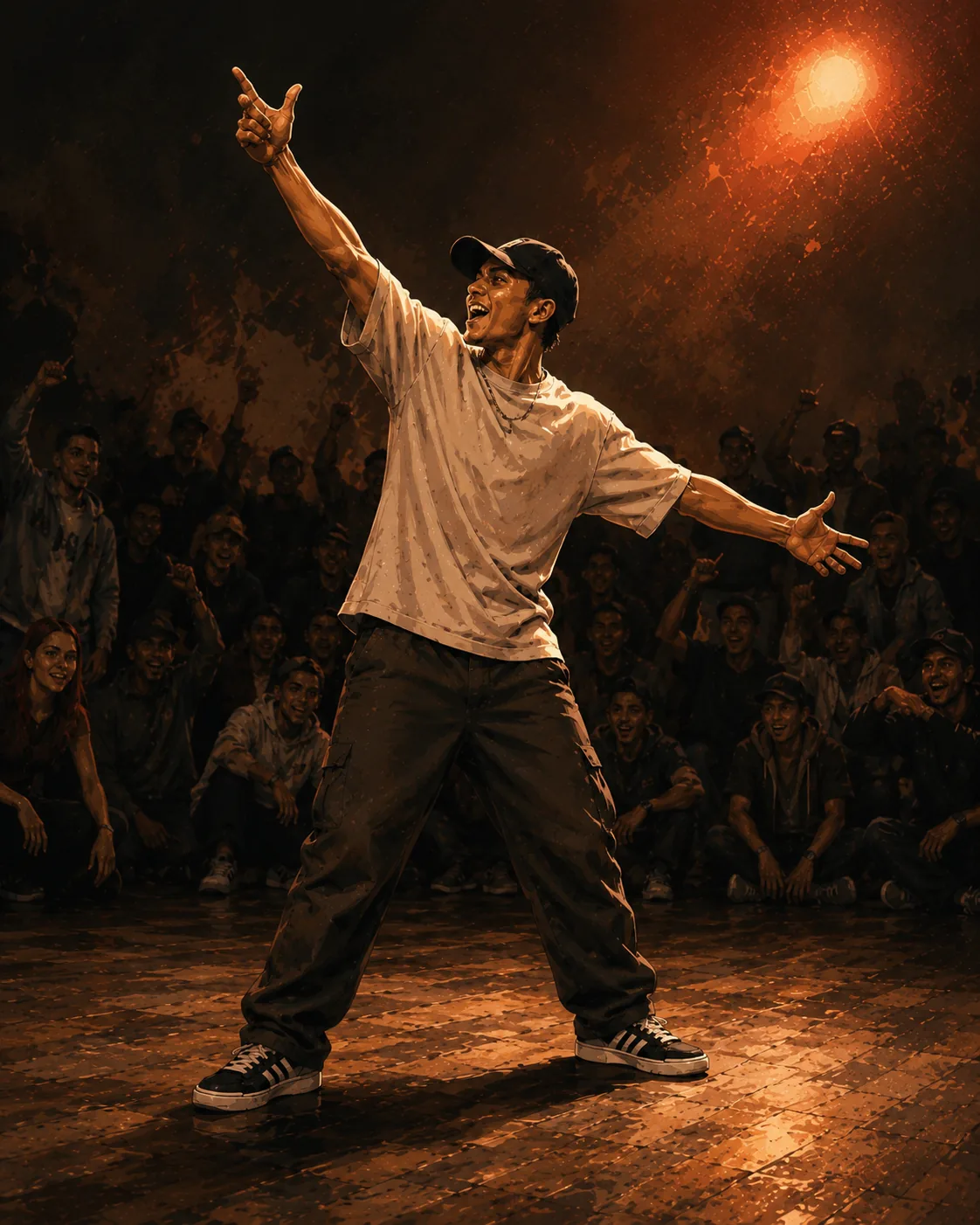
A call-out or invite gesture can be a point, a hand wave, an open arm, a nod or a body angle that brings another dancer into the circle. It can be friendly, competitive or direct.

Scene contextThis gesture starts the exchange. It can invite a response or make the battle energy more direct.
11
Respect / acknowledgment breaking gesture example

Respect / acknowledgment

A nod, handshake or gesture showing recognition.

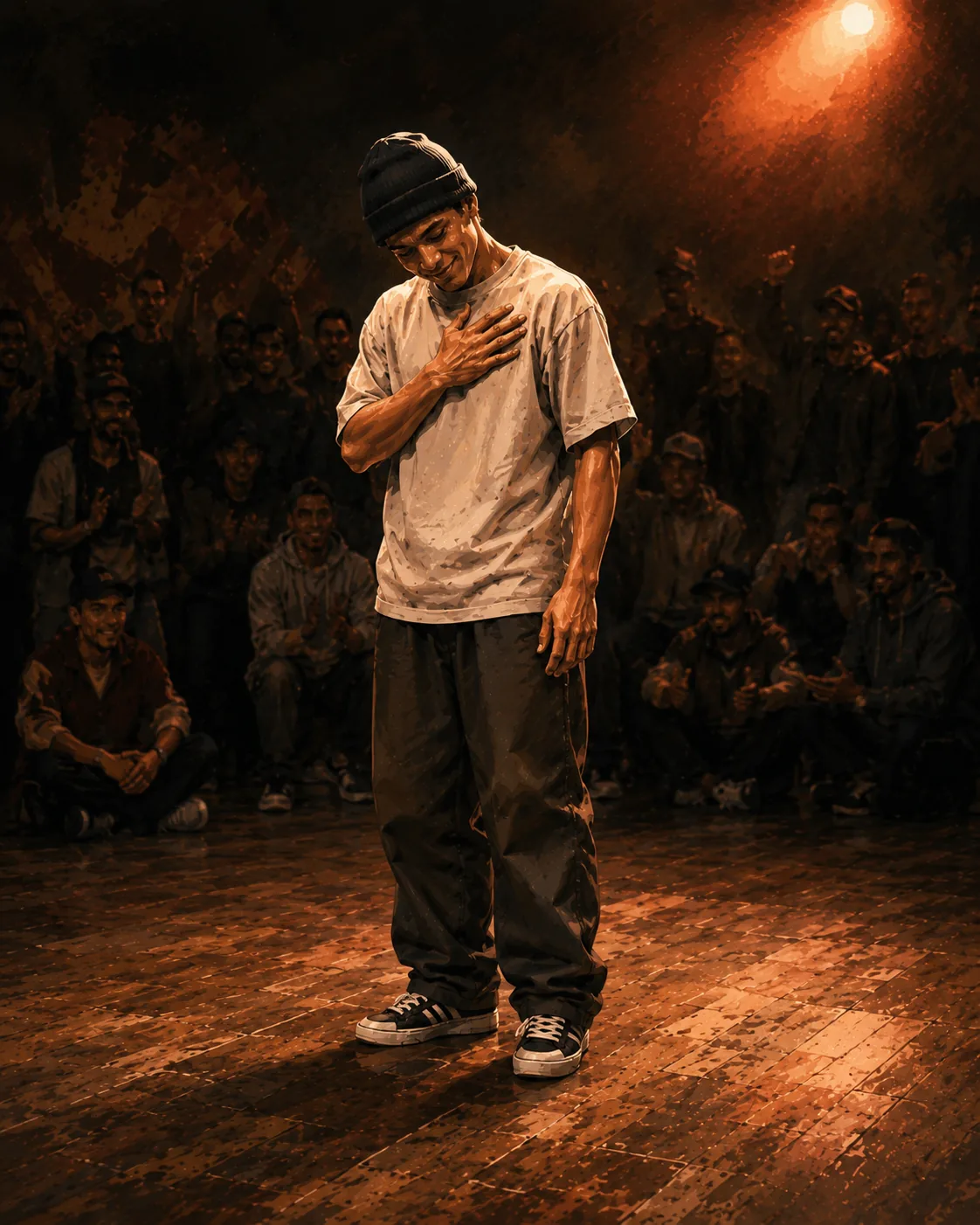
Respect gestures show recognition before, during or after an exchange. A nod, hand touch, clap, handshake or small bow can show appreciation for the dancer, DJ, crew member or cypher.

Scene contextBreaking can be competitive, but respect keeps the culture healthy.
12
Battle response breaking gesture example

Battle response

A gesture that answers the opponent’s last idea.

Battle response gestures answer something that just happened. A dancer may point, pause, laugh, frame a movement or gesture back toward an opponent’s mistake, rhythm choice, repeated move or style.

Scene contextThis is where gestures become conversation. They show that the dancer is watching, listening and responding.
13
Personal style gestures breaking gesture example

Personal style gestures

Signature gestures that become part of identity.

Some gestures become part of a dancer’s personal style. They might be a specific look, hand shape, entrance, finish, pause, body angle or repeated character choice that makes the dancer recognizable.

Scene contextPersonal gestures should grow naturally from the dancer’s rhythm and personality. When forced, they look like acting. When real, they become identity.

Use gestures with awareness

Gestures can make a round sharper, funnier and more expressive, but they should not replace dancing. The strongest gestures come from real listening, real timing and real response. They also carry responsibility: battle hard, but keep respect for the cypher, the music and the people inside it.

Breaking Gestures FAQ

Common questions about biting, burns, repetition, off-beat gestures and battle signals.

What are breaking gestures?

Breaking gestures are hand signs, body actions, pauses, facial expressions and attitude-based movements used to communicate inside a cypher or battle.

What is a biting gesture in breaking?

A biting gesture calls out copying. One common sign is the double elbow sign, where the forearms cross at the elbows to signal that someone is biting another dancer’s move, idea or style.

What does tapping the floor mean in a battle?

Tapping or pointing to the floor can call out that an opponent crashed, slipped, touched down or executed a move badly.

What does counting fingers mean in a breaking battle?

Counting fingers can signal that the opponent is repeating moves or ideas that they already used.

What does pointing to the ears mean?

Pointing to the ears suggests that the opponent is not listening to the music or is missing the beat.

Are burns the same as gestures?

Burns are a type of battle gesture or interaction, often used to tease, embarrass or pressure an opponent. Not every gesture is a burn.

Should beginners use battle gestures?

Beginners can learn what gestures mean, but foundation, rhythm and respect should come first. Gestures work best when they support real movement.