Breaking Section / Battles

Breaking Battles

Cyphers, rounds, response, musicality and battle culture.

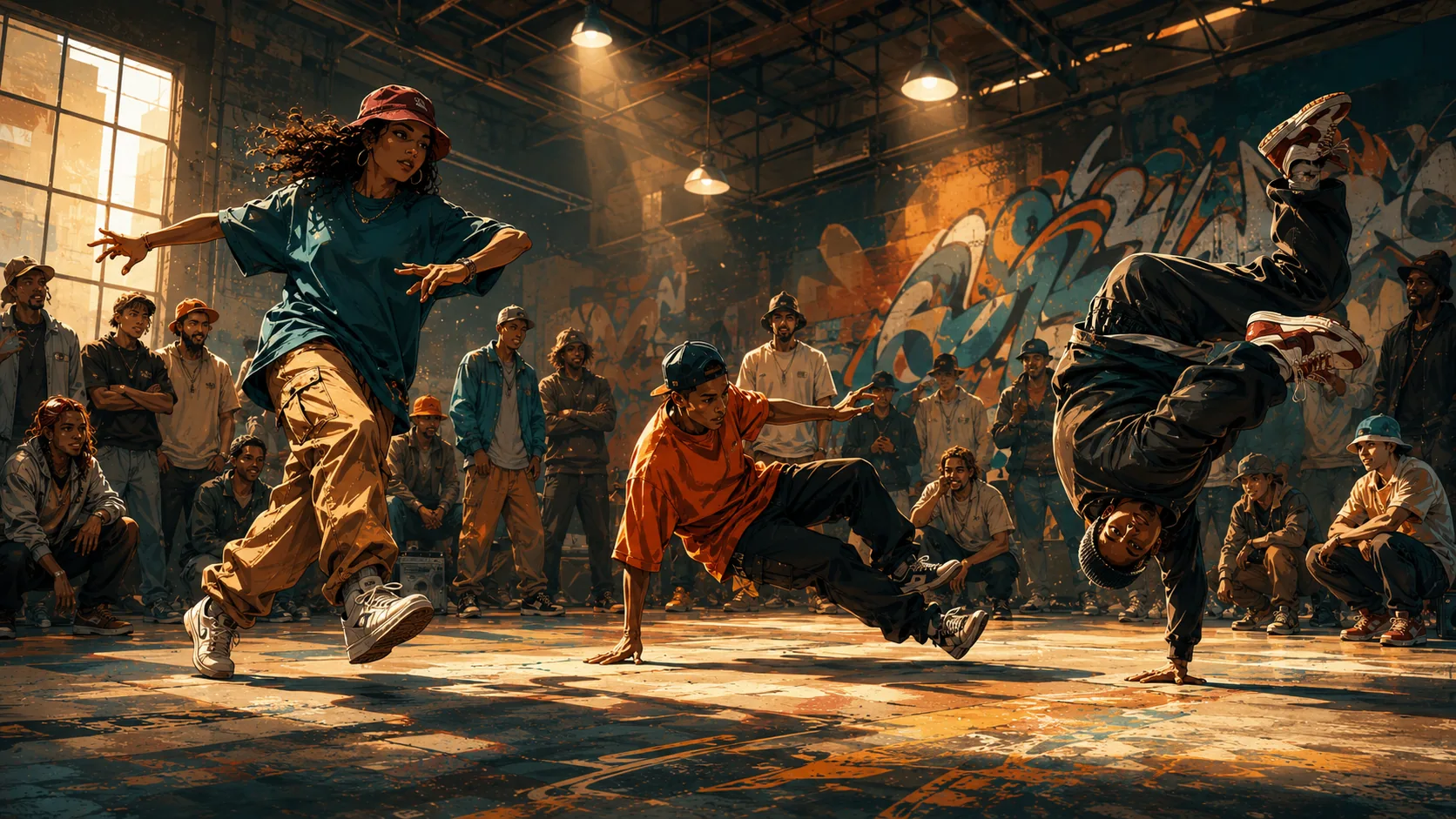
Original illustration of cypher versus battle energy

Battle culture

Breaking battles are not only competitions. In the culture, a battle is an exchange.

Conversation through movement

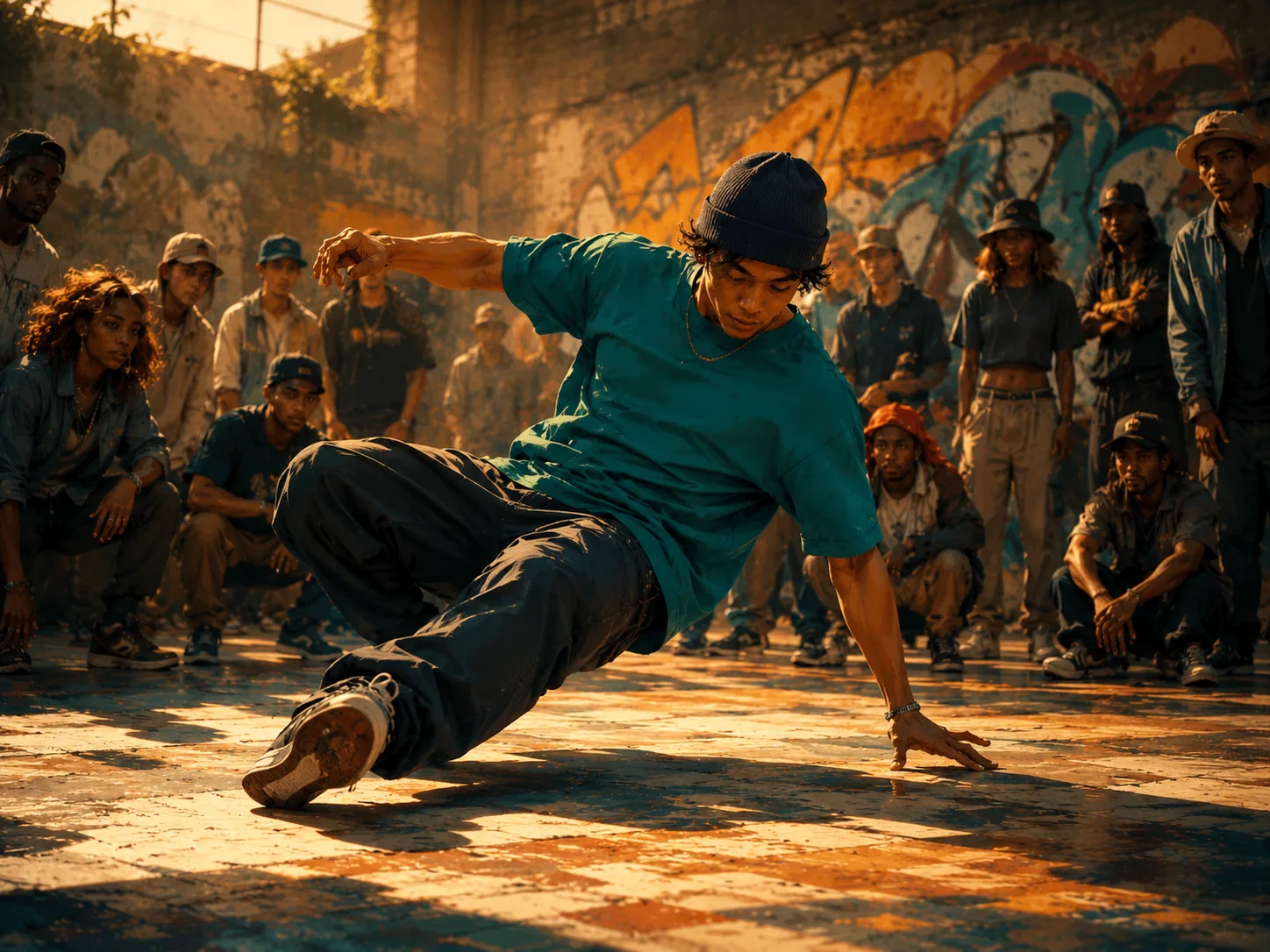
Breaking battles are where b-boys, b-girls and crews test style, rhythm, originality, confidence, control and response. A battle can happen at a jam, in a community center, on a stage, outside on the street or inside a formal event. The setting can change, but the core stays the same: dancers respond to the music, to the energy in the room and to each other.

A strong battle is not only about who has the hardest moves. It is about who can use those moves with timing, character, strategy and presence.

Exchange, answer, response

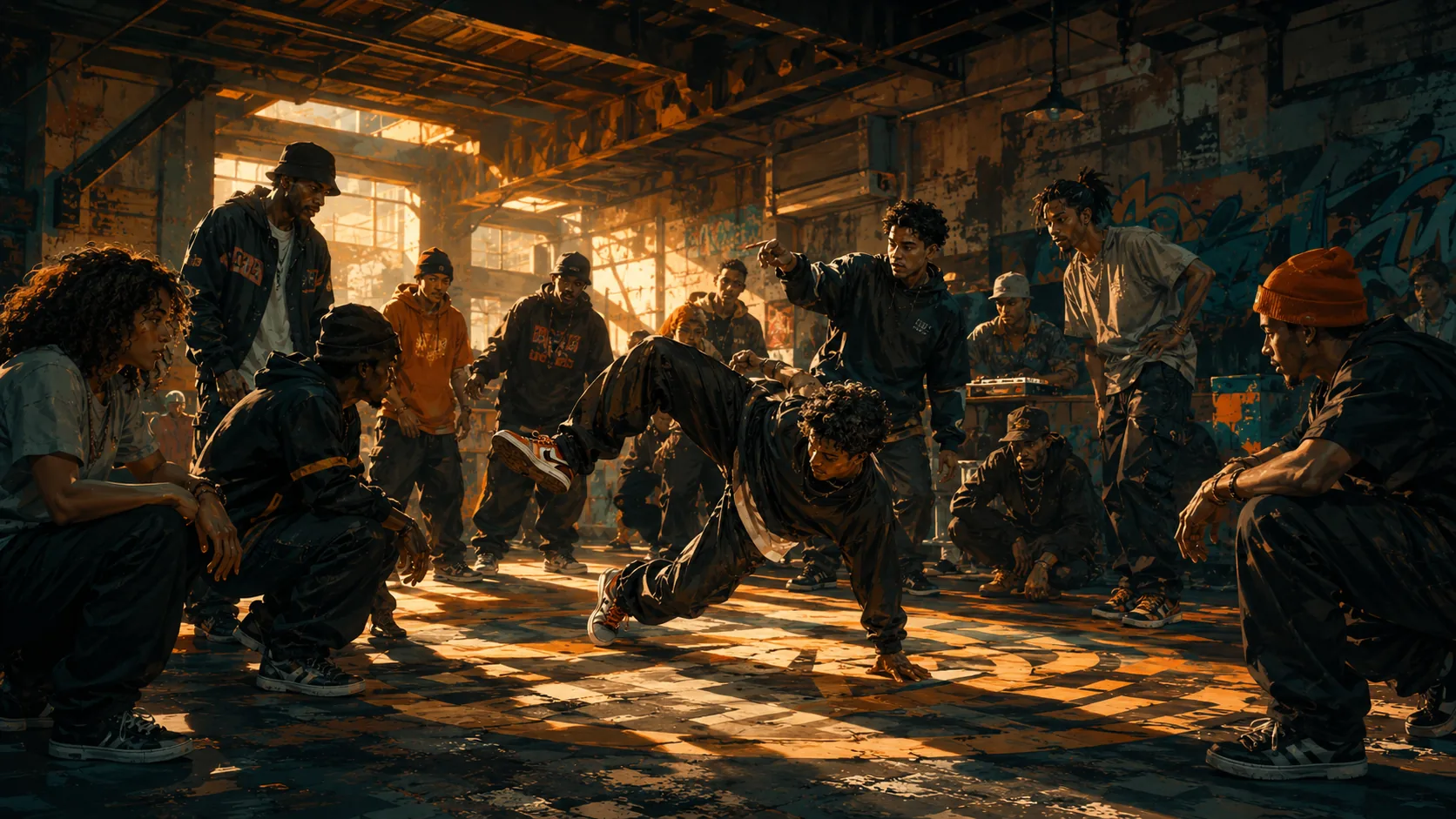
A breaking battle is a direct exchange between dancers or crews. One dancer enters, does a round, and the other side responds. That response can be physical, musical, creative or strategic.

The best battles feel alive because both sides are listening, watching and reacting. A dancer can answer with footwork, a freeze, a power move, a gesture, a transition, musical timing or a change in attitude.

Scene noteA battle is not just about doing moves. It is about how you answer.
Call-out and response scene in a breaking battle

The circle and the challenge

A cypher is a circle where dancers enter one by one to dance, exchange energy and represent themselves. A battle can happen inside a cypher, but not every cypher is a battle.

In a cypher, the focus is often on energy, sharing, testing ideas and building community. In a battle, the exchange becomes more direct. There is usually an opponent, a clear response and sometimes judges or a winner.

Cypher versus battle scene illustration

Direct and exposed

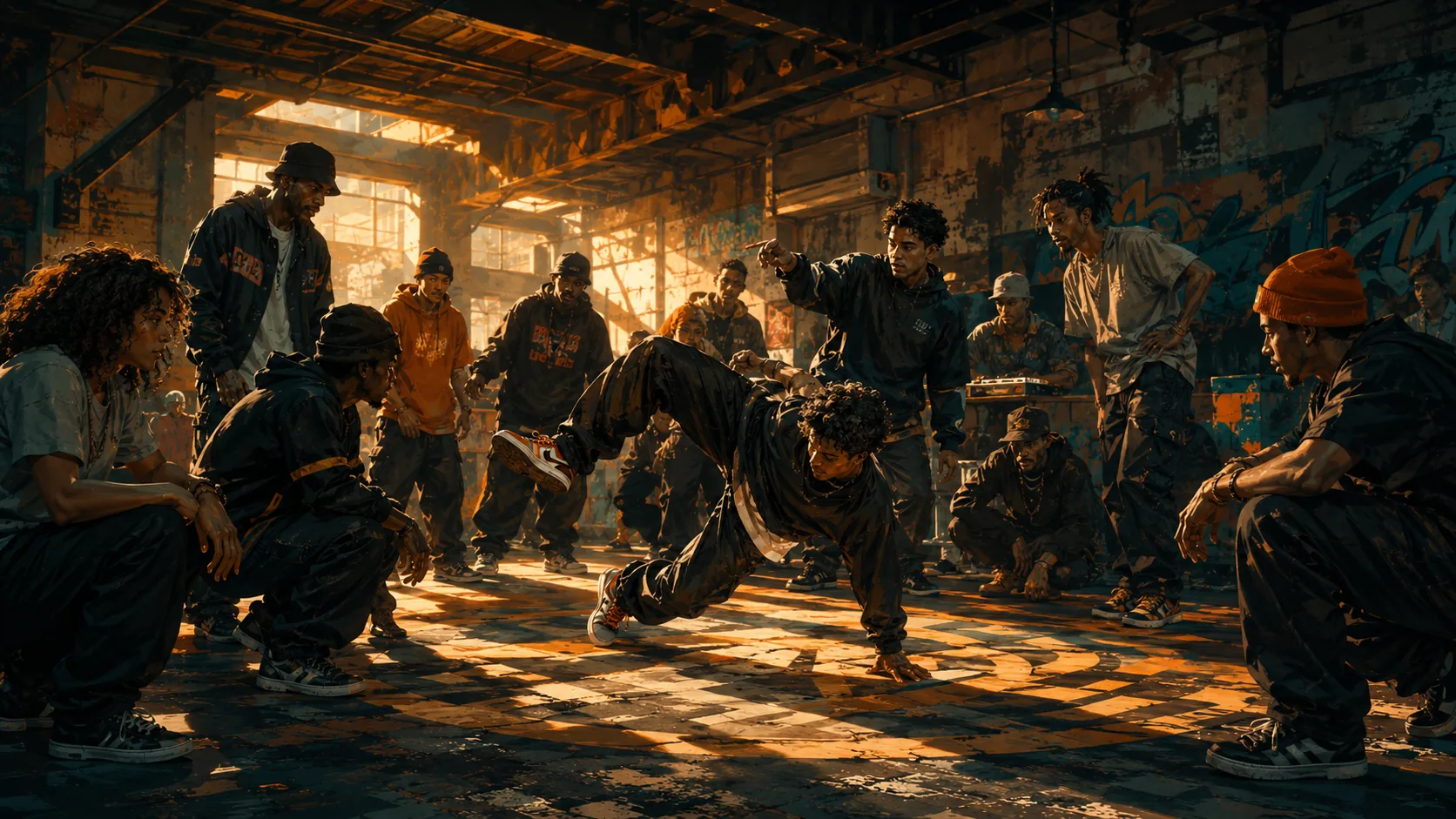
A 1 vs 1 battle is one dancer against another. It is one of the clearest formats because everything is direct: your style, your musicality, your confidence and your choices are all exposed.

In a 1 vs 1 battle, a dancer must know how to start strong, control the middle of the round and finish with impact. The round should not feel like random tricks. It should feel like a statement.

One versus one breaking battle illustration

Shared identity, group energy

Crew battles bring a different kind of energy. A crew battle is not only about individual skill; it is about shared identity, teamwork and group response.

Crews can use solo rounds, routines, commandos, call-outs and team strategies. A strong crew battle shows unity without losing individuality. Every dancer brings their own flavor, but the crew still feels connected.

Scene noteIn a crew battle, you represent yourself and the name on your back.
Original illustration of crew battles and representation
Final round energy illustration
Rounds

The shape of a round

A round is the moment a dancer enters and presents their movement. A round usually has an entrance, a main idea and an exit. The best rounds are not always the longest. A short round with timing, clarity and confidence can be stronger than a long round with no direction.

Judges and crowd illustration
Judges & Criteria

What matters in judging

Judging in breaking can vary depending on the event, but strong judging usually looks at more than difficulty.

  • foundation
  • musicality
  • originality
  • execution
  • control
  • difficulty
  • character
  • response
  • battle strategy

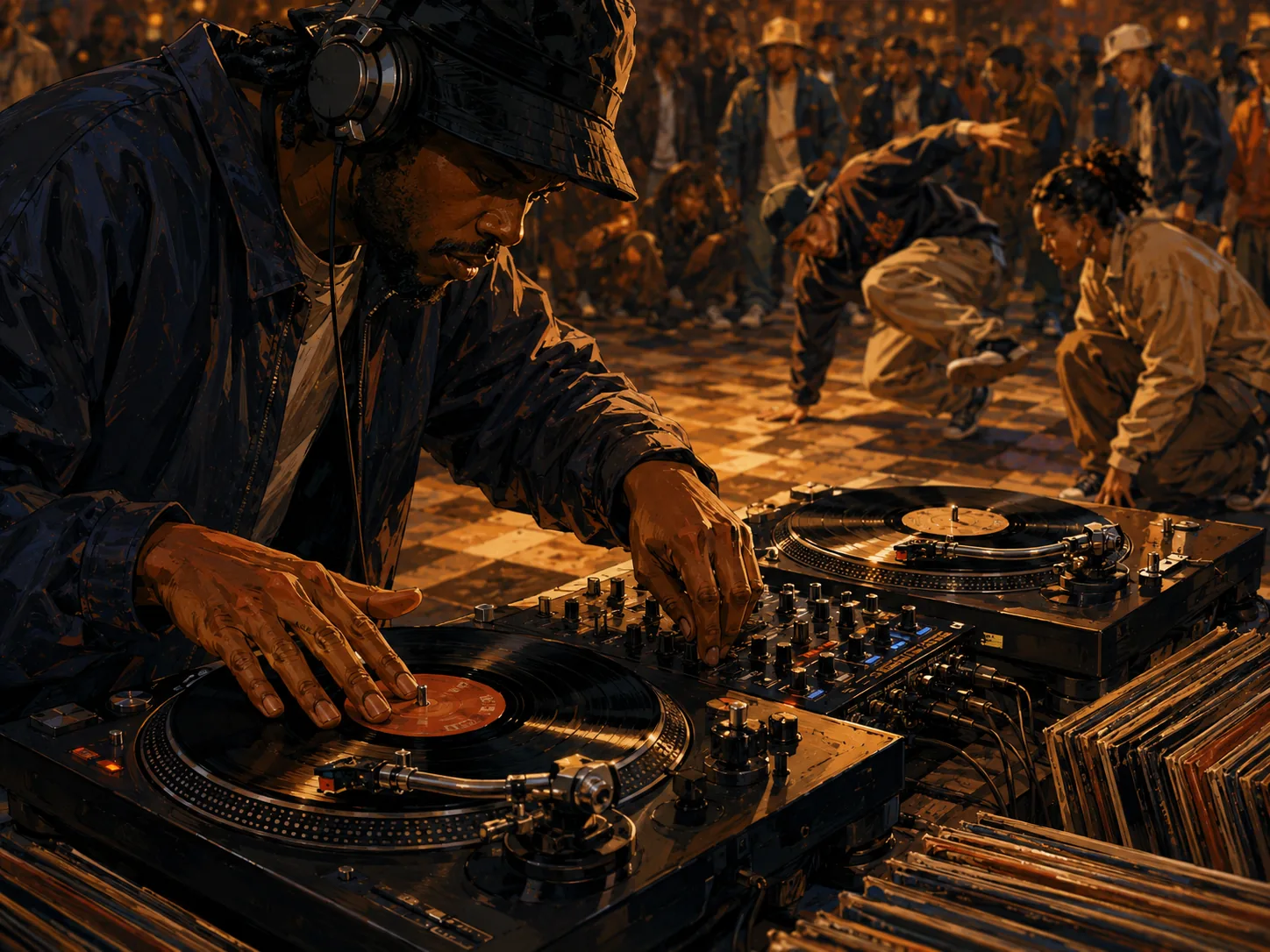
The music is part of the battle

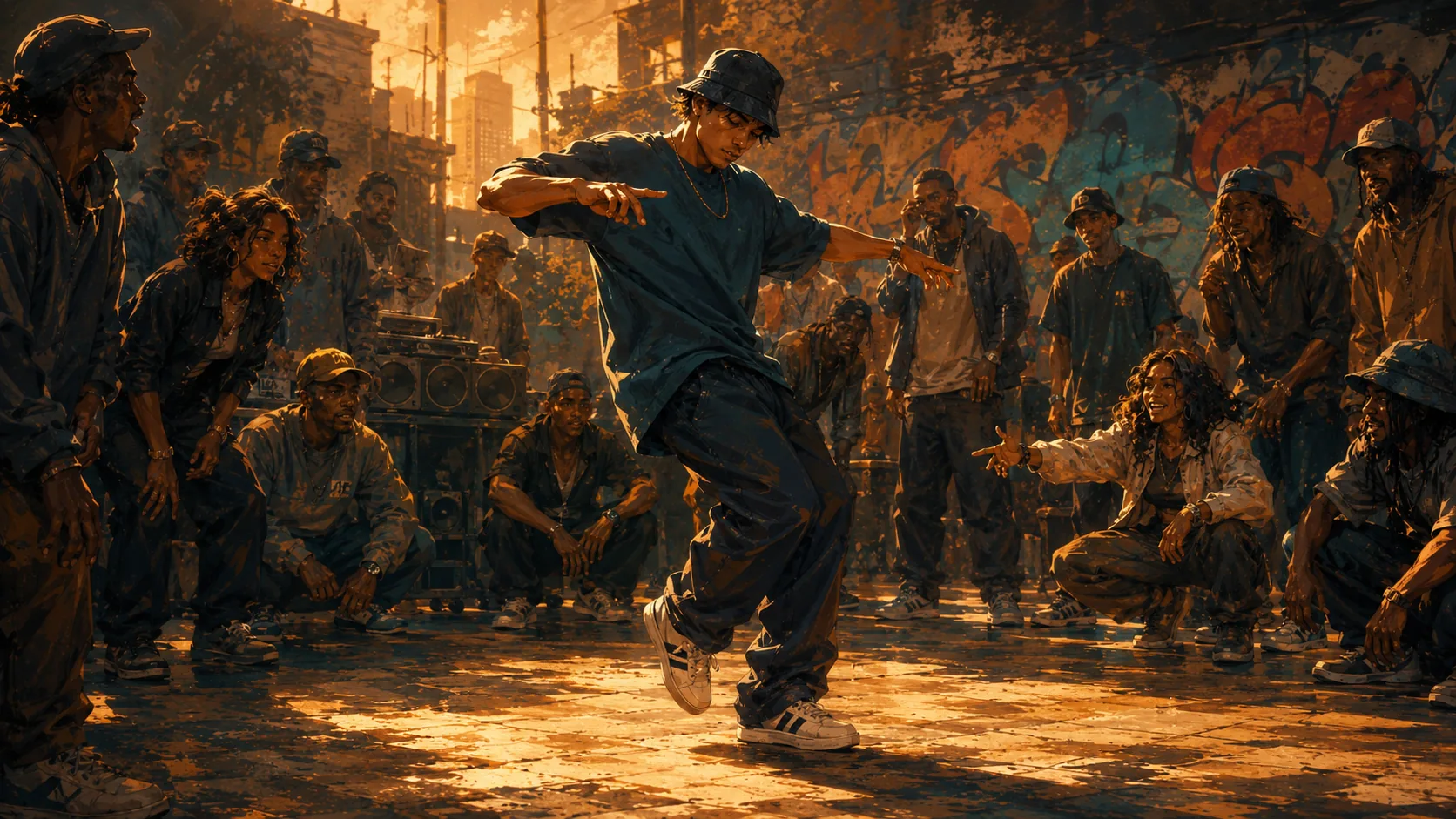
Musicality is how a dancer connects to the music. It is not only dancing on beat. It is hearing breaks, accents, rhythm changes, pauses, drums, bass, energy and structure.

Originality and character matter too. The way a dancer walks in, looks at the opponent, controls the rhythm, uses gestures, enters the floor and finishes the round all adds to the battle. Breaking is not just physical. It is personality in motion.

Scene noteThe music is not background. The music is part of the battle.
Original illustration of musicality and rhythm inside a breaking battle

Compete hard, stay aware

Battle energy can be intense, but respect still matters. Every scene has its own codes, but some principles are important: respect the cypher and event space, do not physically touch or endanger the opponent, do not block someone’s round unfairly, listen to the music and respect judges, DJs and organizers.

A battle can be aggressive without being careless. It can be competitive without losing respect.

Original illustration of respect and battle etiquette in breaking culture

One expression of the culture

Battles helped shape breaking because they pushed dancers to grow. They forced dancers to develop stamina, confidence, originality, timing and strategy. But battles are not the whole culture. They are one expression of it. Breaking also lives in practice sessions, cyphers, teaching, street shows, community programs, music, friendship and shared history.

A battle is powerful when it carries the culture with it.

Breaking Battles FAQ

Common questions about breakdance battles, cyphers, rounds, judging and etiquette.

What is a breaking battle?

A breaking battle is an exchange between b-boys, b-girls or crews where dancers respond through movement, rhythm, style, originality and strategy.

What is the difference between a cypher and a battle?

A cypher is a circle where dancers enter and exchange energy. A battle is a more direct challenge or exchange between dancers or crews.

What is a round in breaking?

A round is the moment a dancer enters and presents their movement during a battle or cypher.

What is a crew battle?

A crew battle is a battle between groups of dancers who represent together under a shared crew name and identity.

What do judges look for in breaking battles?

Judges may look at foundation, musicality, originality, execution, difficulty, control, character and response.

What is musicality in breaking?

Musicality is how a dancer connects movement to the music, including rhythm, breaks, accents, pauses and energy changes.

What is battle etiquette?

Battle etiquette means competing with intensity while respecting the opponent, the cypher, the music, the judges and the culture.

Do you need power moves to win battles?

No. Power moves can help, but battles can also be won through musicality, originality, footwork, freezes, confidence, strategy and response.